6 Ways Daycare Report Cards Boost Customer Experience
July 28, 2026
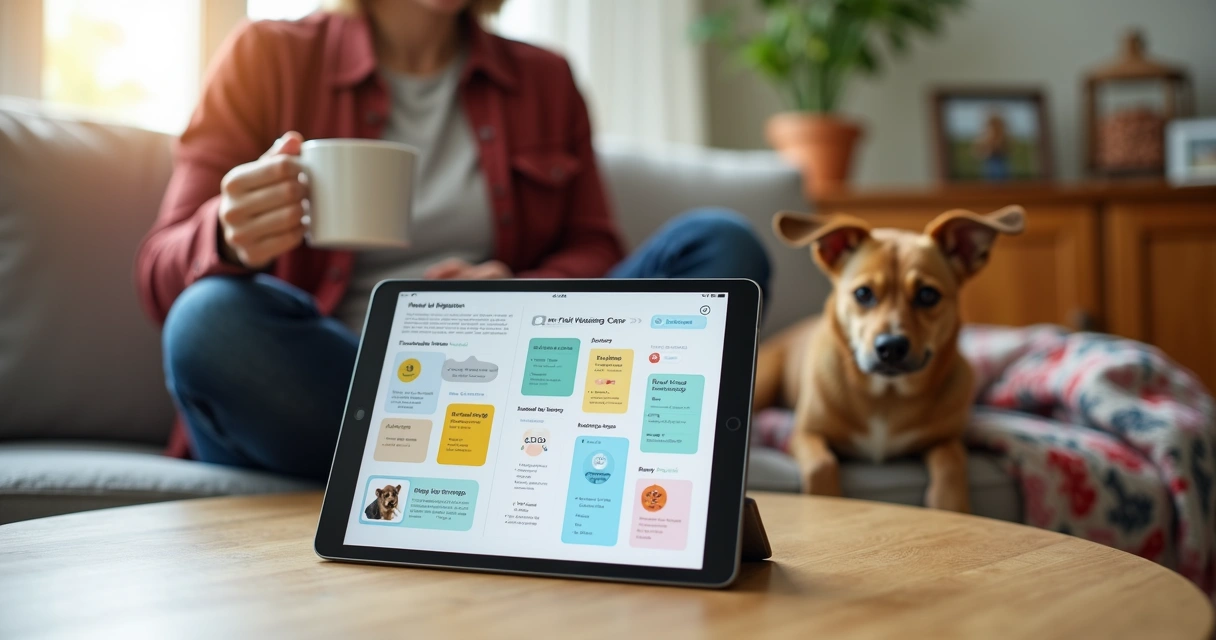
I have seen one pattern again and again in pet care businesses. Owners do not only want safe care for their dogs. They want proof, detail, and a clear sense of how the day went. That is where daycare report cards make a real difference. They turn a simple pickup into a richer experience built on trust, warmth, and useful daily updates.
When I look at daycare customer experience, I do not think only about the service itself. I think about what the pet parent feels from drop-off to pickup. I think about the short message at noon, the photo of group play, the note about nap time, and the calm answer to a small concern. A good report card helps owners feel informed, included, and confident in your care.
For pet businesses, this is not just a nice extra. It shapes loyalty. It affects reviews. It influences referrals. And when a team uses a connected system like Buddyz, those daily updates become easier to manage without turning staff communication into a burden.
1. They make the owner feel part of the day
Many pet parents spend hours away from their dogs and wonder what is happening at daycare. Is their dog playing? Resting? Eating well? Socializing? I think this silent uncertainty is often larger than daycare teams realize.
Daycare report cards close that gap. They give owners a simple window into the day through behavior notes, activity updates, meal details, and short observations. That changes the emotional tone of the whole service.
People trust what they can see.
In my experience, owners respond best when updates feel personal instead of generic. A line like “Bella joined group play after a slow start and loved the ball session” means much more than “Had a good day.” It shows attention. It shows care. It shows that the dog was known as an individual.
This sense of connection often grows when report cards include:
- Play style and social behavior
- Rest periods and energy level
- Meals, treats, or water intake
- Bathroom habits when relevant
- Staff observations about mood
That is why stronger daycare communication often starts with better daily records. The owner does not feel shut out. They feel included.
2. They build trust through transparency
Trust is not built only when things go perfectly. I think trust grows when a business communicates clearly, even about small issues. If a dog skipped lunch, got overstimulated, or needed a quiet break, a report card gives staff a natural place to share that detail with care and context.
Transparency lowers anxiety because owners are not left guessing about their pet’s day.
This matters even more for new clients. During the first few visits, pet parents are still deciding whether your team really understands their dog. A thoughtful update can answer that question better than a sales pitch ever could.
I have also noticed that transparent updates reduce awkward pickup conversations. Instead of trying to remember every detail at the front desk, staff can rely on notes already captured during the day. The discussion becomes smoother, clearer, and more useful.
Some software tools offer basic updates, but I think businesses need more than a simple message feature. Buddyz stands out because it brings pet records, customer history, operations, and communication into one place. That makes report cards easier to support with real context, not scattered notes.

3. They improve pickup conversations
Pickup is one of the most emotional moments in the whole customer journey. Owners are happy to see their dogs, staff are often busy, and there is a short window to leave a good final impression. I think many businesses underestimate how much this moment shapes retention.
A report card gives structure to that conversation. Instead of a rushed “She was good,” staff can highlight two or three meaningful details. That creates a better memory of the visit.
Here is what I have seen work well in pickup exchanges:
- Start with one positive moment from the day
- Mention one useful behavior or health note
- Reference a photo or short video sent earlier
- Connect the update to future care needs
That flow feels natural and human. It also helps staff stay consistent across shifts. If one team member handled playgroups and another works the front desk, the report card keeps everyone aligned.
Better pickup conversations make the service feel more personal, even when the lobby is busy.
If your team wants a clearer process, I suggest reviewing how digital records support front-desk service and follow-up. I have found useful ideas in posts like this guide on pet business communication workflows and this article about organizing customer touchpoints.
4. They make photos and videos more meaningful
Photos and videos are powerful, but only when they have context. A cute image of a dog running is nice. A photo paired with a note that says “Charlie finally joined the small group after watching from the side this morning” is far better. It tells a story.
I think that is what many owners really want. Not just proof that their dog was present, but insight into how the day unfolded.
When visual updates are tied to report cards, they stop feeling random. They become part of a clear communication rhythm. The owner sees the image, reads the note, and understands the progress or behavior behind it.
This can be especially helpful for:
- Shy dogs adjusting to a new environment
- Puppies learning social behavior
- Senior dogs needing quieter routines
- Dogs with feeding or medication notes
Photos work best when they support a clear message, not when they are sent without explanation.
I once saw a daycare team turn a worried first-time client into a loyal regular simply by sending one short video and a report note about gradual social progress. It was simple. But it felt honest and attentive. That is what owners remember.
5. They create a more personalized service
Personalization is one of the strongest drivers of customer loyalty in pet care. Every dog is different, and owners know it. They can tell very quickly when a business treats their pet like a number.
Report cards help teams show patterns over time. Maybe a dog gets tired after midday play. Maybe another eats better after a short quiet break. Maybe one has a best friend in daycare and gains confidence through that bond. These details matter because they shape future visits.
In my view, personalized daycare communication should do three things:
- Reflect the pet’s routine and behavior accurately.
- Show that staff notice changes over time.
- Help owners feel that care decisions are thoughtful.
That kind of personalization becomes easier when technology supports the team instead of slowing it down. Buddyz is built for pet businesses that need one place for scheduling, pet records, customer details, payments, and daily operations. So when a daycare wants to create better report cards, the information is already connected.
Some competing tools handle isolated tasks, but I think that creates friction fast. When notes live in one place, photos in another, and customer records somewhere else, updates lose depth. A stronger system gives teams a fuller view and owners a better experience.

6. They increase loyalty, reviews, and referrals
Most owners do not refer a daycare just because it is clean or convenient. They refer it because it made them feel secure and cared for. I have seen that emotional layer drive more word-of-mouth than any discount campaign.
Report cards support that result because they make the service visible. The owner has something to remember, share, and talk about. A thoughtful daily summary can lead to comments like, “They always tell me how my dog did,” or “I never have to wonder if he is okay there.”
Clear updates create loyal clients.
That kind of feedback matters for retention too. If an owner sees regular value in your updates, price becomes less of the whole story. The relationship gets stronger. The business feels more trustworthy. The client is less likely to leave for a cheaper but less personal option.
I also think report cards can support online reputation in practical ways. They give owners a richer experience to mention in reviews, such as:
- Consistent daily updates
- Kind pickup conversations
- Specific notes about their dog’s behavior
- Photos and videos that match the written summary
If teams want to improve this side of the business, I suggest following resources from Marcus, checking ideas in this article on customer retention for pet services, and using the Buddyz content search to find more guidance on owner communication and operations.
Conclusion
I believe daycare report cards do much more than summarize the day. They shape how owners judge care, how much they trust the staff, and whether they return with confidence. When updates are personal, clear, and supported by photos, videos, and good pickup conversations, the whole daycare customer experience gets better.
Report cards turn daily care into a visible service that owners can understand, trust, and recommend.
If you want to give clients better communication without making daily operations harder, I think it is worth getting to know Buddyz and seeing how one connected platform can help your team deliver stronger report cards, smoother follow-up, and a better experience for every pet owner.
Frequently asked questions
What are daycare report cards?
Daycare report cards are daily summaries that show how a pet spent time at daycare. They often include play notes, meals, rest, social behavior, bathroom details, and staff observations. They help owners understand what happened during the visit in a clear and personal way.
How do report cards improve parent communication?
They improve communication by giving parents regular, specific updates instead of vague end-of-day comments. I think they work well because they answer common questions before the owner even asks them. They also give staff a simple structure for sharing photos, videos, and behavior notes.
Is it worth using daycare report cards?
Yes, I believe they are worth using because they support trust, reduce uncertainty, and help owners feel more connected to the service. They also make pickup conversations easier for staff and can lead to stronger retention and more referrals over time.
How can report cards enhance customer experience?
They enhance customer experience by making care more visible, personal, and transparent. Owners feel informed, their concerns are lowered, and they are more likely to see the value of the service. When clients feel seen and informed, they are more likely to stay loyal.
What key info should a daycare report include?
A strong daycare report should include activity notes, social behavior, meals or treats, rest periods, bathroom updates when needed, and any health or mood observations. I also think photos or short videos help when they match the written update. The best reports are short, clear, and specific to each pet.