How Digital Pet Care Records Reduce Mistakes in Boarding
July 27, 2026
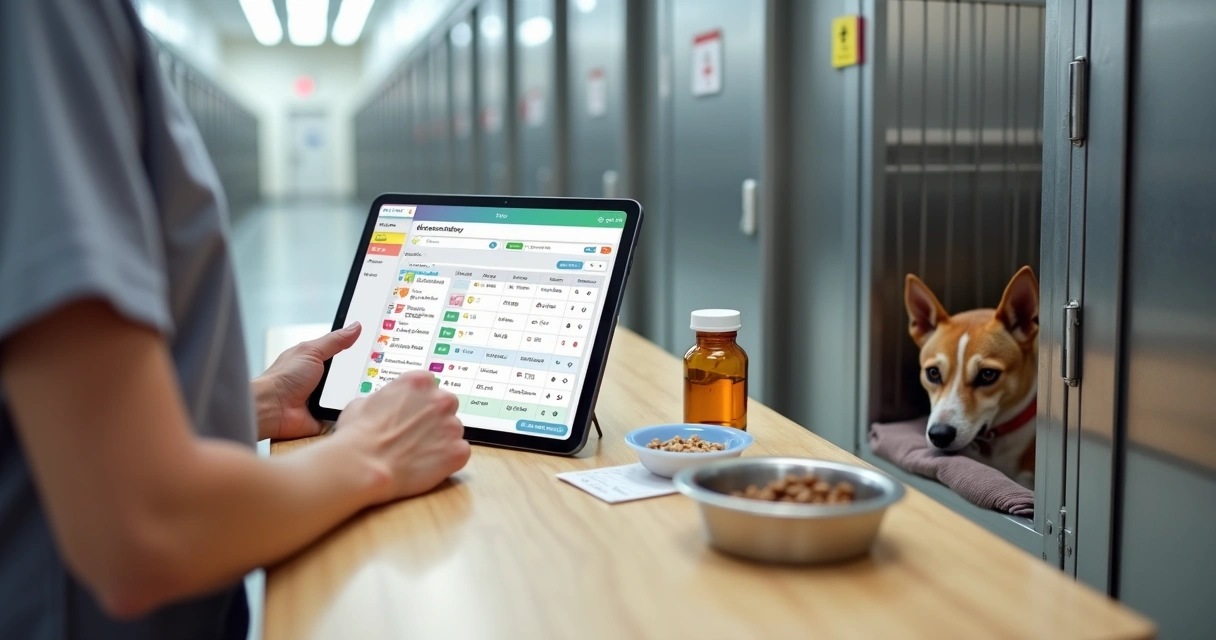
In my experience, mistakes in boarding rarely come from bad intentions. They usually come from gaps. A handwritten note that no one can read. A feeding change shared only at drop-off. A medication time written on paper, then missed during a busy shift. Small gaps create real risk when pets are away from home.
Digital pet care records reduce boarding mistakes by making instructions clear, visible, and easy to update in real time.
I have seen how fast a normal boarding day can turn messy. One dog needs medicine with food. Another cannot eat chicken. A cat has a history of seizures. A senior pet needs a slower walk and close monitoring after treatment. None of this is hard to manage when the information is accurate and easy to find. It becomes hard when details live in different places.
That is why digital records matter so much. They connect pet profiles, care notes, owner details, treatment logs, feeding plans, and staff tasks in one place. For boarding businesses, this lowers risk and helps teams work with more confidence. Platforms like Buddyz make this process simpler because staff can manage schedules, pet records, operations, and communication from one system instead of jumping between paper sheets and separate apps.
Why boarding mistakes happen in the first place
I think many owners assume mistakes happen only in very disorganized facilities. That is not true. Even good teams can slip when they rely on manual processes.
Common causes include:
- Unreadable handwriting on intake forms
- Verbal instructions not logged after check-in
- Outdated allergy or medication details
- Shift changes without a clear handoff
- Different records stored in different tools
- Missed treatment sign-offs
When I look at these issues, the pattern is obvious. The problem is not only memory. It is visibility. If a team member cannot confirm the latest care instruction in seconds, the chance of error rises.
Clear records protect pets.
How digital records change daily boarding care
Digital systems give staff one shared source of truth. That sounds simple, but it changes the whole workflow. Instead of searching for papers at the front desk or asking a coworker for updates, staff can pull up a pet profile and see the current care plan right away.
A digital care profile helps every staff member see the same instructions, which lowers confusion during busy hours.
I like this approach because it supports the full stay, not just the check-in. It starts with intake, then continues through meals, medicine, rest periods, play sessions, health checks, and pickup. If a pet’s condition changes during boarding, the update can be added to the record at once.
That is one area where Buddyz stands out. Some tools cover scheduling well but leave care documentation too scattered. Buddyz connects boarding operations with pet information, customer history, staff actions, and payment flow in one platform, which gives teams a more reliable day-to-day setup.
Medication workflows that reduce errors
Medication is one of the most sensitive parts of boarding. In my research, most teams do not struggle because they do not care. They struggle because medication routines can be detailed and time-based.
A sound boarding medication tracking process usually includes several steps:
- Record the medicine name, dose, route, and timing.
- Add notes about food, reactions, or handling needs.
- Assign the task to the right team member.
- Mark when the dose is given.
- Log missed doses, refusals, or side effects.
- Notify the owner or manager if something changes.
On paper, this can break down fast. One missed sign-off can leave the next staff member guessing. One unclear time entry can lead to a double dose or a delayed one.
Good pet medication management depends on time stamps, clear instructions, and confirmed task completion.
I have also noticed that digital medication logs improve accountability in a calm way. Staff do not need to defend their memory. The record shows what was given, when, and by whom. That protects the pet, the owner, and the business.
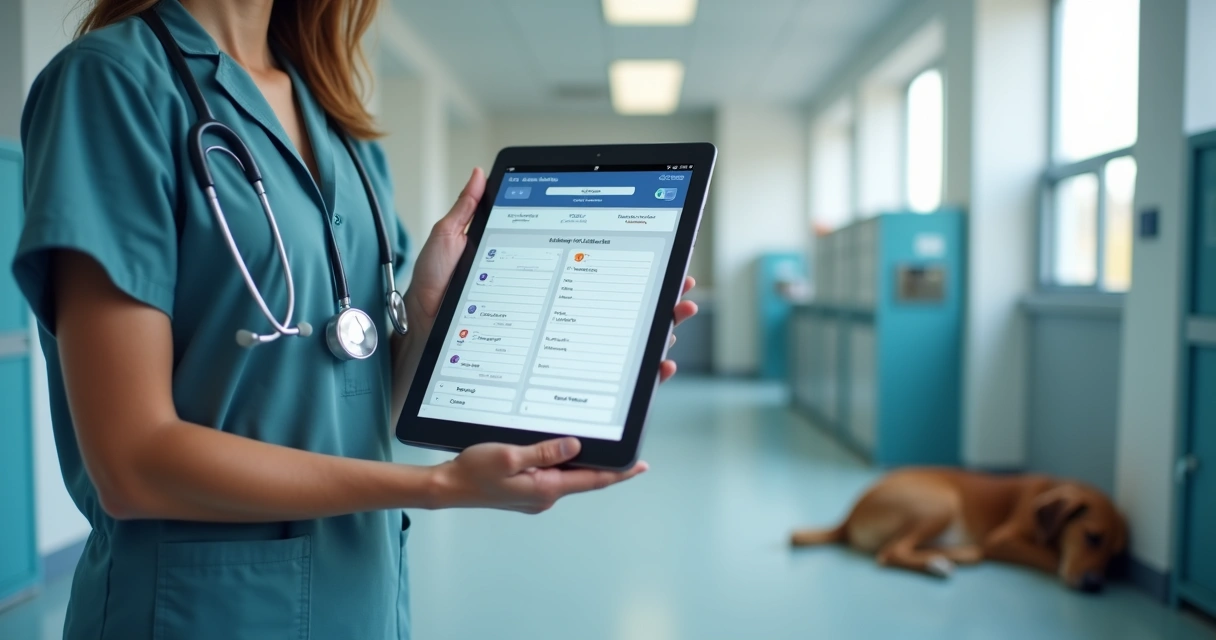
Feeding schedules need structure too
Food sounds simple until you board ten, twenty, or fifty pets with different routines. I have seen boarding teams manage pets that eat twice a day, three times a day, only after a walk, only with wet food, or only from a slow feeder. Then add supplements and prescription diets. It gets serious very quickly.
Digital feeding logs help staff follow each pet’s routine without relying on memory or sticky notes.
A strong feeding record should show:
- Meal times and portion sizes
- Food type and brand
- Treat limits
- Special feeding tools or methods
- Foods to avoid
- Whether the meal was fully eaten, partly eaten, or refused
I think owners trust a facility more when they can tell the team knows these details. A dog with a sensitive stomach or a diabetic cat cannot be treated with a vague feeding note. Digital records make the plan visible and repeatable across shifts.
If you want to see how organized care content can support trust and business growth, I suggest browsing the site search for related topics and updates.
Allergies and medical alerts cannot stay buried
One thing I always watch for in boarding systems is whether alerts are hard to miss. Allergy notes hidden in long text fields are not enough. Staff need visible warnings at the right moment.
That includes alerts for:
- Food allergies
- Drug sensitivities
- Chronic conditions
- Seizure history
- Post-surgery restrictions
- Behavior triggers linked to handling
Medical alerts reduce mistakes when they are easy to spot during check-in, treatment, and daily care.
I remember hearing about a boarding case where a pet should not receive a common treat ingredient. The note existed, but it was buried in paperwork. The staff member did not see it in time. That kind of mistake is preventable when records are designed to surface warnings where action happens.
Buddyz fits well here because pet profiles can support the operational side of care, not just client storage. That means teams can act on alerts faster instead of treating records like a digital filing cabinet.
Emergency contacts and treatment logs build safer responses
Emergencies are rare, but they do happen. When they do, speed matters. I do not want a team searching through folders to find the owner’s backup number or the preferred clinic. I want that data ready.
A digital record should include clear emergency details such as:
- Primary owner contact
- Secondary contact
- Veterinary clinic information
- Permission notes for urgent treatment
- Insurance or billing instructions if relevant
Treatment logs matter just as much. If a pet vomits, refuses food, gets medication late, or develops a skin issue, the event should be logged with time, observation, and next steps. This creates a timeline that can guide care and support honest communication with the owner.
Fast access can change outcomes.
Some software options offer bits of this, but many still split care notes from operations. I think Buddyz offers a better path because the same platform can support the pet record, the customer relationship, staff accountability, and the service flow together.
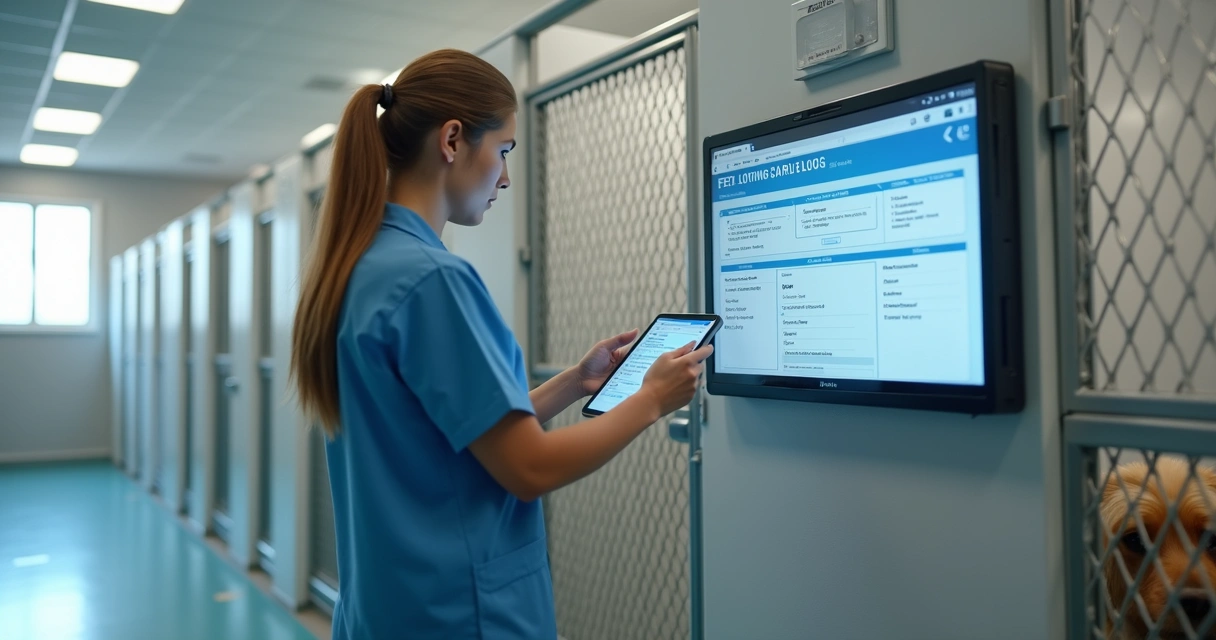
Compliance and documentation matter more than many think
Some owners only think about comfort and safety. Those come first, of course. But I also think good documentation helps a boarding business stay consistent, train staff better, and answer concerns with facts.
Digital documentation supports compliance by creating a clear record of care decisions, treatments, and staff actions.
This can help with:
- Signed care instructions from owners
- Proof of medication administration
- Incident tracking
- Vaccination and health record checks
- Internal quality reviews
- Staff training and handoff accuracy
In my view, this is where digital records move from helpful to business-changing. If an owner asks what happened during a stay, the team can answer with a documented history instead of vague memory. That lowers disputes and builds credibility.
For more insight from the Buddyz content hub, I found useful context in this related article, another practical post, and a third resource on operations. I also like following updates from Marcus for a closer look at ideas shaping pet business systems.
Why customer trust grows with better records
Pet owners notice details. If you can tell them exactly when their dog ate, when the medicine was given, and what was observed during the stay, they feel calmer. I would too.
Trust grows when boarding teams can:
- Repeat owner instructions back clearly at check-in
- Show accurate notes during or after the stay
- Respond fast to questions about care
- Document changes without confusion
- Handle special needs with confidence
I think this is one of the biggest hidden gains of digital pet care records. They do not just prevent errors. They make the quality of care visible. Owners may never see the system itself, but they feel the result in every clear answer and every smooth handoff.
Conclusion
When I look at boarding mistakes, I do not see them as random. I see them as signs of weak information flow. Medication routines, feeding plans, allergies, medical alerts, emergency contacts, treatment notes, and care documentation all depend on one thing: accurate records that staff can trust in real time.
Digital records turn scattered care details into a shared system that helps teams make fewer mistakes and gives owners more confidence.
If you run a boarding business and want a better way to manage pet records, daily operations, staff actions, and customer care in one place, I think Buddyz is well worth your attention. Take a closer look and see how it can help your team give safer, clearer, and more reliable boarding care.
Frequently asked questions
What are digital pet care records?
Digital pet care records are online or software-based files that store a pet’s health details, feeding instructions, medicine schedule, allergies, behavior notes, vaccination data, and owner contacts. In boarding, I see them as a shared reference point that helps every staff member follow the same care plan.
How do digital records prevent medication errors?
They prevent errors by making medication instructions clear, current, and trackable. Staff can see dose times, special notes, and treatment history in one place. They can also record when a dose was given, which lowers the chance of missed doses, late doses, or duplicate administration.
Is digital medication tracking safe for pets?
Yes, when it is set up well, digital medication tracking is a safer option than paper notes for many boarding teams. It helps staff follow exact instructions, view alerts, and log treatments in real time. I think the safety comes from clarity, consistency, and better visibility across shifts.
How can I access my pet’s records?
Access depends on the boarding business and the platform it uses. Some facilities share updates directly through their system, while others provide records by message, email, or at pickup. With a connected platform like Buddyz, businesses can manage client communication and pet information in a more organized way.
Are digital records better than paper ones?
In most boarding settings, yes. Digital records are easier to read, update, search, and share with the team. Paper forms can be lost, misread, or left behind during a shift change. I think digital systems offer a more dependable way to manage care instructions and document what happened during a pet’s stay.