Dog Daycare Business: The Start-to-Finish Owner’s Guide
July 29, 2026
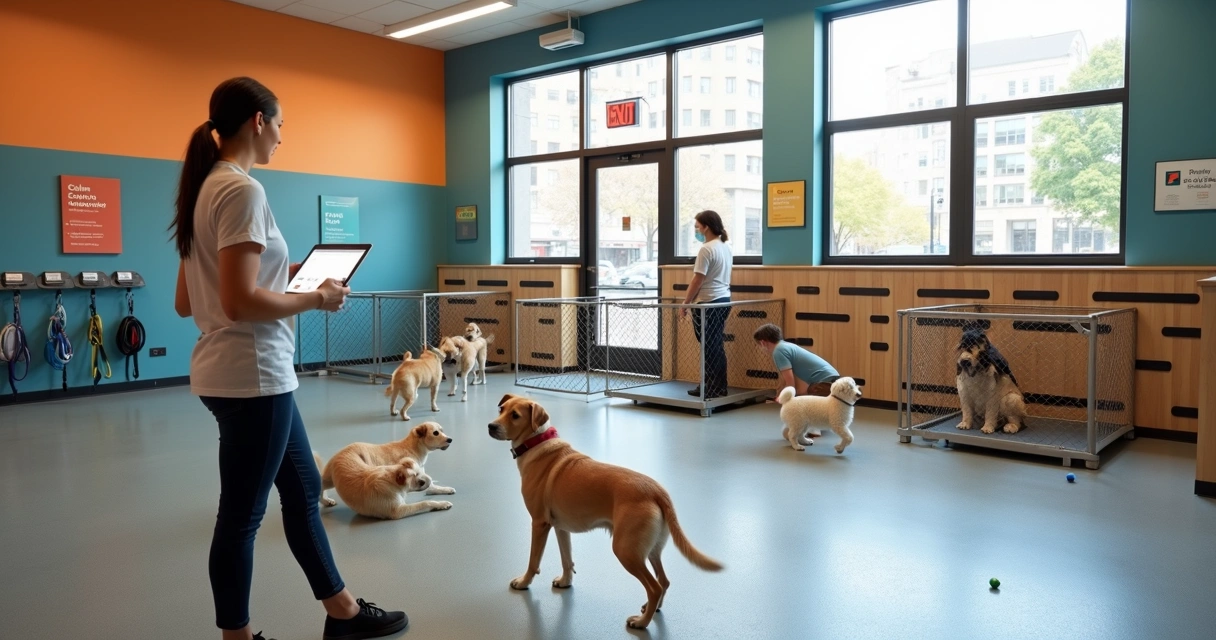
I have seen many pet care owners start with a simple idea: give dogs a safe place to play while their people work. Then reality arrives. Space, staffing, behavior issues, health rules, pricing, and a full day of moving parts. A dog daycare business can be rewarding, but only when the setup is solid from day one.
A strong daycare starts with safe systems, clear policies, and steady daily routines.
In my experience, the owners who last are not always the ones with the fanciest lobby. They are the ones who run calm floors, train staff well, track numbers, and communicate with clients before small issues turn into big ones. That is where good daycare management makes all the difference.
Start with the right model
Before I would sign a lease or buy equipment, I would define the service model. Some facilities offer all-day group play. Others mix daycare with boarding, grooming, training, or walks. That choice changes layout, staffing, insurance, and pricing.
To shape the offer, I would answer a few basic questions:
- Will I serve small dogs, large dogs, or both?
- Will I accept intact dogs, seniors, or dogs with medical needs?
- Will I provide half days, full days, and packages?
- Will I add extras like feeding, medications, enrichment, or one-on-one rest breaks?
Your service menu should match your building, team size, and safety standards.
I think many owners grow too fast by saying yes to everything. A tighter offer usually creates better dog daycare operations and fewer daily surprises.
Build a facility that works in real life
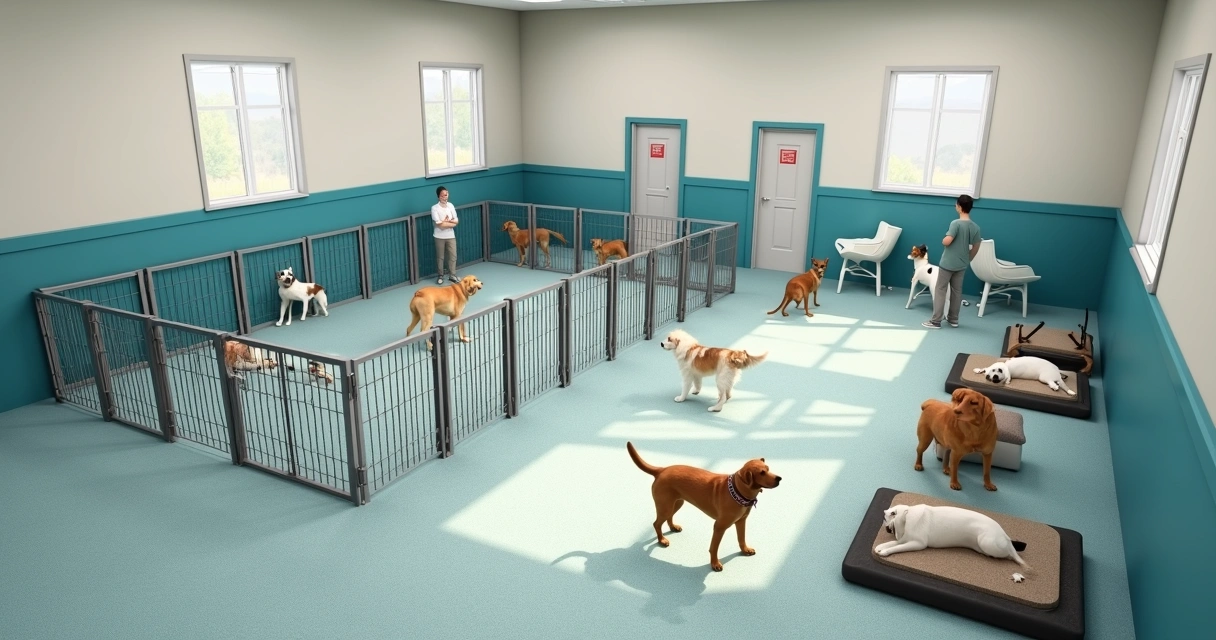
A daycare floor looks very different on paper than it does at 7:15 a.m. during drop-off. I always suggest planning for movement, noise, cleaning, and separation needs, not just square footage.
A practical layout should include:
- Secure entry and double-gate transitions
- Separate play yards or rooms by size and play style
- Quiet rest spaces with good airflow
- Cleaning storage away from dog access
- Feeding and medication prep areas
- Easy-drain flooring and surfaces that sanitize well
One owner told me the biggest mistake was placing the lobby too close to the main playroom. Every arrival triggered barking across the room. Stress spread fast. Small design choices shape behavior.
Layout affects safety.
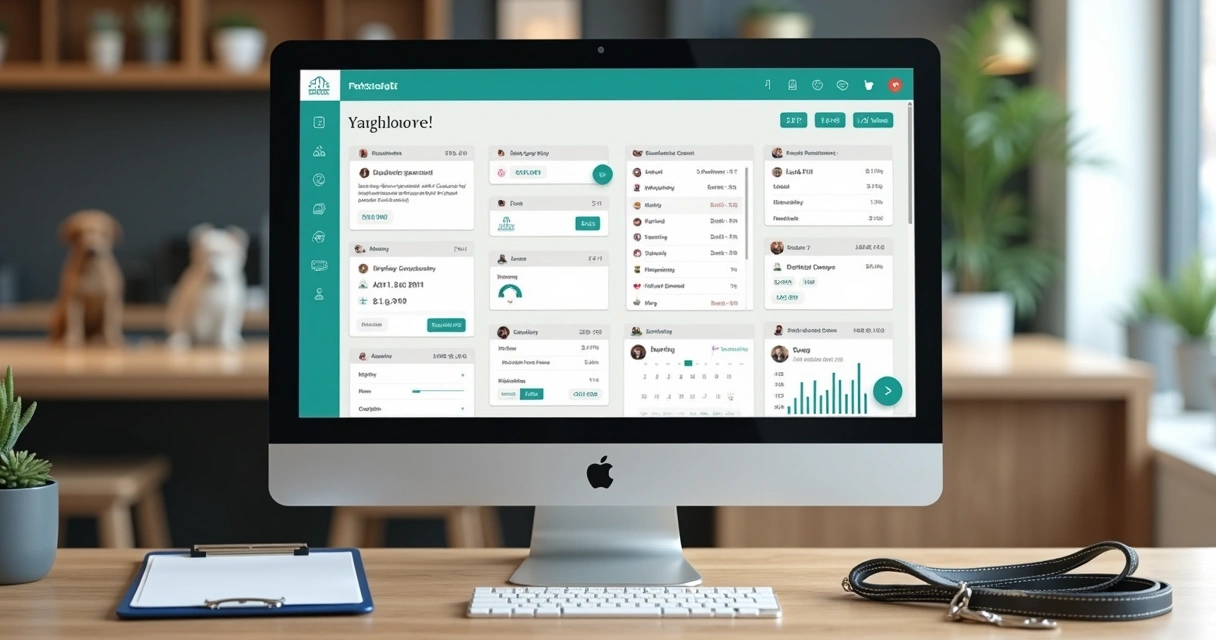
If you plan to scale, software should be part of the layout thinking too. Buddyz fits well here because it helps connect bookings, pet records, staffing, and client notes in one place, instead of forcing the team to juggle separate tools.
Set health and vaccination rules early
I would never leave health policies vague. Clients need clear rules before the trial day. Most daycare centers require core vaccines based on local veterinary guidance, plus parasite control and symptom screening.
Your policy should explain:
- Required vaccines and renewal deadlines
- Flea, tick, and worm prevention expectations
- What happens if a dog shows cough, vomiting, diarrhea, or lethargy
- When a dog may return after illness
- How owners share vet contacts and emergency approval
Written health rules protect the dogs, the staff, and the business.
This is also where pet profile quality matters. I like systems that keep vaccine files, feeding notes, medication instructions, and behavior flags linked to each dog. Buddyz makes that easier than older tools that split data across screens.
Use temperament testing, but keep it realistic
Temperament testing should not be a stage show. I have seen owners expect a perfect read in ten minutes, and dogs do not work that way. A better process uses owner history, a gradual introduction, body language checks, and a short trial period.
I would look at:
- Reaction to strangers and handling
- Comfort in new spaces
- Play style and arousal level
- Resource guarding signs
- Response to interruption and redirection
- Stress recovery after stimulation
Temperament tests should guide placement, not force every dog into group play.
Some dogs belong in small groups. Some need solo enrichment. Some are just not a fit for open-play daycare, and that is fine. Good operators do not sell a spot at the cost of group safety.
Create smart playgroups and daily routines
Playgroups are not just about size. I think energy level, age, confidence, and play style matter just as much. A bouncy adolescent may overwhelm a gentle adult of the same weight. Grouping by behavior creates calmer days.
A simple routine often works best:
- Arrival checks and notes
- Group assignment and slow entry
- Play block with active supervision
- Water break and rest rotation
- Second activity or outdoor time
- Lunch, medication, or nap periods as needed
- Afternoon play, pick-up prep, and report updates
Dogs need pauses. Constant stimulation can lead to rough play, barking, and conflict. I have seen rest periods lower tension more than any fancy toy ever could.
Hire for observation, then train for consistency
Many people love dogs. Fewer can read a room full of them. Staffing should focus on judgment, calm handling, and pattern recognition. I would rather hire someone steady and train skills than hire charisma without control.
Training should cover:
- Canine body language and stress signs
- Interrupting play safely
- Cleaning and sanitation steps
- Feeding and medication logs
- Incident reporting and owner communication
- Emergency drills and evacuation plans
Staff consistency is one of the biggest drivers of safe daycare management.
Shift planning matters too. If your busiest drop-off hour has one person at the desk and one person on the floor, you are exposed. I like to map labor to traffic peaks, not just to total daily attendance.
Offer activities that add value
Not every dog needs nonstop wrestling. Some need sensory games, short training breaks, or guided walks. Enrichment gives owners a reason to choose your center over a cheaper option.
Useful add-ons can include:
- Snuffle mats and puzzle feeders
- Short obedience refreshers
- Treadmill or low-impact exercise for select dogs
- One-on-one cuddle or calm time
- Photo updates and daily report cards
I have noticed that report cards do more than delight clients. They reduce uncertainty. When owners see nap notes, play partners, feeding info, and behavior comments, trust grows.
If you want ideas beyond this guide, I would point readers toward related topics on care planning for pet services, client experience and retention, and operational workflows. I also like browsing insights from Marcus and using the site search page when I want to compare ideas fast.
Handle feeding, medications, and records with care
Food and medication tasks seem simple until the floor gets busy. Then details slip. I would build a process with labels, double checks, time stamps, and a quiet admin point away from active groups.
Every pet record should show:
- Feeding schedule and portion notes
- Medication name, dose, and method
- Allergies and food restrictions
- Emergency contacts and vet details
- Behavior alerts and handling notes
If a dog has special care needs, that information should be visible before the day starts.
This is one place where all-in-one platforms stand out. Some competing tools cover booking well but feel fragmented in medical notes and operational follow-through. Buddyz gives pet businesses a more connected way to handle records, team actions, and owner communication together.
Run safer daily operations
Daily operations are won by routines. I say that because the best-run centers do ordinary things very well, every day. Open checks, cleaning cycles, dog counts, break coverage, and incident notes should all follow a pattern.
A strong daily checklist usually includes:
- Facility walk-through before opening
- Gate, latch, and water station checks
- Attendance verification by group
- Scheduled cleaning between rotations
- Midday health scan for each dog
- End-of-day notes, billing review, and closeout
Safety also means knowing when to say no. If weather, staffing gaps, or group mix make the day unstable, cap attendance. Owners may be disappointed for a moment. They will be more upset by a preventable incident.
Plan capacity, pricing, and scheduling with numbers
Many daycare owners price by copying the shop across town. I would not do that. Your rates should reflect labor, rent, cleaning, insurance, supplies, admin time, and the level of service you provide.
Think about pricing in layers:
- Single-day rates
- Half-day options
- Multi-day packages
- Membership plans
- Add-ons for meds, meals, training, and reports
Capacity planning should be based on safe supervision ratios, not just floor space.
Scheduling should also prevent crowding at the front desk. Spread arrivals with time windows, waitlists, and booking rules. Good software helps here. Buddyz supports the flow from reservations to payments to pet notes, which is why I see it as a better fit than pieced-together systems.
Track the KPIs that show business health
I like simple dashboards. Too many metrics can hide the truth. For a dog care center, I would watch a short list every week and every month.
Key KPIs include:
- Average daily attendance
- Revenue per dog per visit
- Package usage and renewal rate
- Labor cost as a share of revenue
- Incident rate by 100 visits
- Client retention and referral rate
If attendance is high but margins are thin, pricing or labor structure may be off. If trial visits are strong but repeat bookings are weak, the issue may be communication, report cards, or group fit.
Grow without losing control
Growth should feel steady, not rushed. I have seen businesses add grooming, retail, transport, or a second location before their first site had stable systems. That can strain the team fast.
A better path is usually this:
- Standardize service rules and staff training
- Build repeatable daily checklists
- Improve retention and package sales
- Add profitable extras with low operational risk
- Expand only when reporting and management are stable
Marketing helps, of course. But in my view, the strongest growth strategy is a clean client experience. Easy booking, prompt updates, visible records, and trust. That is why platforms like Buddyz matter so much for modern pet businesses.
Calm systems build trust.
Conclusion
I believe the best dog daycare business is not the loudest one online. It is the one that feels calm behind the scenes. Safe facility design, fair temperament testing, balanced playgroups, trained staff, careful feeding and medication handling, smart pricing, clear scheduling, and steady reporting all shape the client experience. When those parts work together, dog daycare operations become easier to control and easier to grow.
If you want to build a daycare that runs with more clarity from booking to daily care to business tracking, I suggest getting to know Buddyz and seeing how it can support your next stage.
Frequently asked questions
What is a dog daycare business?
A dog daycare business is a pet care service where dogs stay for part of the day under supervision. They usually join playgroups, rest periods, feeding routines, and enrichment activities while their owners are at work or away from home. Many centers also offer add-ons like training, grooming, or boarding.
How to start a dog daycare?
I would start by defining the service model, checking local rules, choosing a suitable facility, setting health and behavior policies, hiring and training staff, and building clear pricing and scheduling systems. After that, I would test operations with a soft opening and track how dogs, staff, and clients move through the day.
Is running a dog daycare profitable?
Yes, it can be profitable when pricing, attendance, staffing, and retention are managed well. Profit depends on safe group capacity, labor control, repeat bookings, add-on services, and strong client trust. A full calendar alone does not guarantee good margins.
What are daily tasks in dog daycare?
Daily tasks include opening safety checks, client check-ins, group assignments, active supervision, cleaning, feeding, giving medications, rest rotations, updating report cards, answering client messages, processing payments, and closing the facility with final records and sanitation.
How to manage dog daycare operations?
I manage dog daycare operations by building repeatable routines, keeping pet records current, training staff on behavior and safety, scheduling around peak times, tracking a few useful KPIs, and using software that connects bookings, care notes, payments, and communication. That kind of setup helps owners stay organized as they grow.