Pet Business - A Practical Guide for Owners (Startup Costs)
July 14, 2026
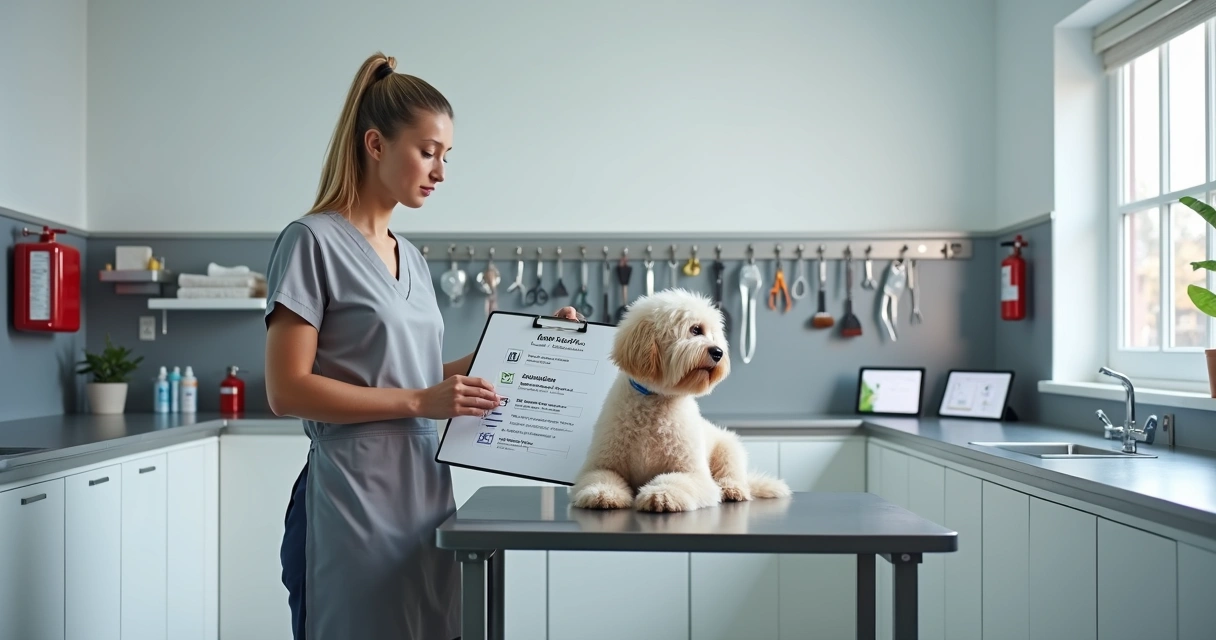
I have seen many pet businesses grow fast, then struggle because their service quality did not grow with them. Grooming is a clear example. A salon can have skill, good intentions, and loyal clients, but if it lacks clear service rules, safety steps, and team training, small issues can turn into big ones. That is why I think every pet business needs a real framework for grooming quality standards, not just a vague idea of “doing a good job.”
The rise of professional pet care makes this even more urgent. In sales of pet care services that doubled over the decade ending in 2017, the market reached $5.8 billion. More demand means more clients, more pets, and more responsibility. It also means stronger competition. Some software tools help with pieces of the process, but I find that Buddyz stands out because it brings scheduling, pet records, staff oversight, payments, and customer communication into one place, which supports better service control from start to finish.
What quality standards mean in pet grooming
When I talk about service standards in grooming, I mean the set of rules and habits that guide how pets are handled, cleaned, styled, checked, and returned to clients. These standards should shape daily work, not sit in a folder no one opens.
Good grooming standards create repeatable care, so pets receive safe and respectful treatment every time.
At a minimum, I believe a pet business should define standards in these areas:
- Animal safety during handling, bathing, drying, clipping, and restraint
- Workplace hygiene and tool sanitation
- Staff skills, training, and certification goals
- Client communication before, during, and after the visit
- Breed and coat specific service methods
- Health checks and warning sign reporting
- Emergency response steps
- Quality review and recordkeeping
Without this structure, service becomes too dependent on memory or personal style. One groomer does it one way. Another does it another way. Pets feel that inconsistency. Clients notice it too.
Consistency builds trust.
Safety comes first
I always put safety at the center of grooming operations. A beautiful haircut means very little if the pet was stressed, overheated, nicked, or handled roughly. Safe grooming starts before any shampoo touches the coat.
A safe grooming process begins with intake, not with the first clipper pass.
Each appointment should start with a check-in review. This includes the pet’s age, health conditions, skin issues, behavior history, mobility limits, allergies, and previous grooming notes. Senior dogs, brachycephalic breeds, pets with seizures, and highly anxious animals need extra planning. I have seen simple pre-groom notes prevent incidents that might have happened from rushing.
Safe handling protocols should cover:
- Never leaving a restrained pet unattended
- Using properly fitted grooming loops and restraints
- Limiting restraint to the least amount needed
- Watching body language for fear, pain, or aggression
- Stopping the service if stress reaches an unsafe level
- Using lift aids or team support for large or mobility-limited pets
Drying is another area that deserves strict rules. Cage dryers, force dryers, and heated tools all require monitoring for heat stress, noise stress, and breathing issues. Pets should have airflow, observation, and time limits. No exceptions.
If a pet shows signs of distress, the grooming plan should pause and shift at once.
Hygiene and sanitation rules
Cleanliness is part of care quality, but it is also part of risk control. Grooming spaces deal with hair, dander, moisture, parasites, waste, and skin conditions every day. I think sanitation needs written steps, assigned duties, and clear timing.
A proper hygiene routine should include daily cleaning, between-pet disinfection, and weekly deep cleaning. Staff should know what gets cleaned, with what product, how often, and by whom.
Sanitation standards should cover:
- Disinfecting tubs, tables, kennels, and high-touch surfaces between pets
- Cleaning clipper blades, combs, scissors, brushes, and nail tools after each use
- Separating clean towels from used towels
- Washing laundry at proper temperatures
- Using labeled containers for chemicals
- Checking ventilation and humidity control
- Managing waste removal and accident cleanup fast
Sanitation standards lower the risk of skin spread, parasite transfer, and avoidable illness.
I also suggest keeping a visible cleaning log. It sounds simple, but it helps managers spot gaps. With a platform like Buddyz, teams can connect sanitation tasks with daily workflows and staff accountability, which makes it easier to keep routines from slipping during busy weeks.
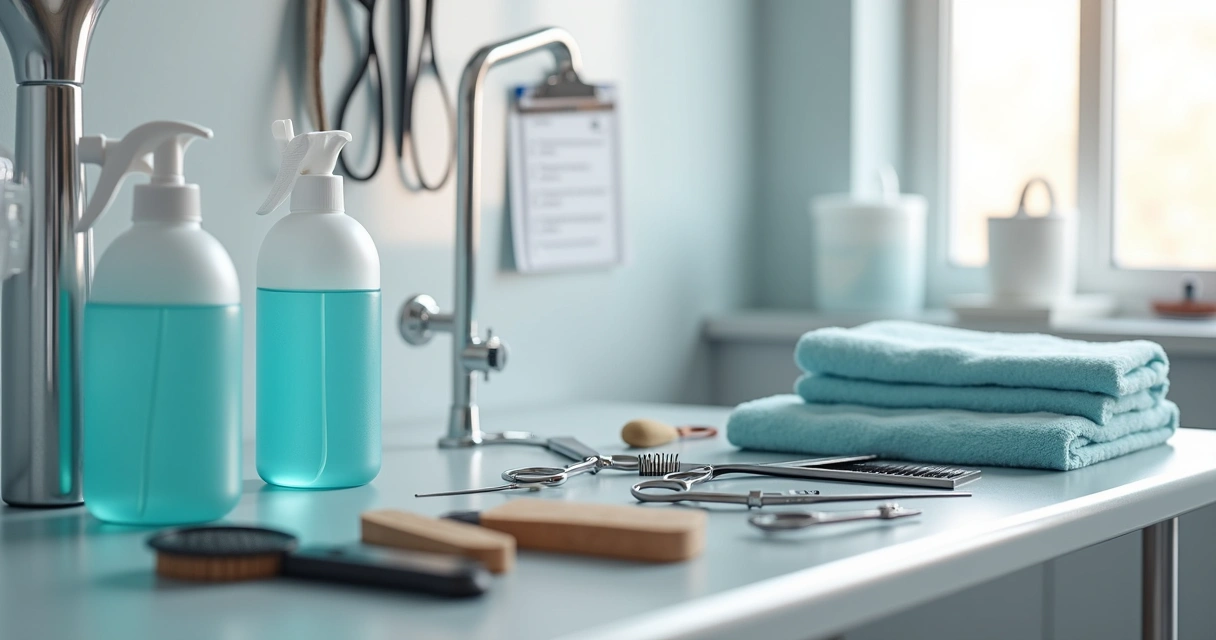 Equipment use and workplace setup
Even skilled groomers can face problems if equipment is poorly maintained or the workspace is unsafe. I have seen dull blades irritate skin, unstable tables increase fall risk, and tangled cords create hazards in rooms that were otherwise well run.
Safe equipment use depends on maintenance, inspection, and staff habits.
Each tool should have a care protocol. Clippers need cleaning, oiling, blade checks, and temperature checks. Scissors must be stored safely and sharpened on schedule. Dryers need airflow checks and cord inspections. Tubs and tables need slip-resistant surfaces.
A safe grooming area should include:
- Non-slip flooring in wet zones
- Clear walking paths free of cords and clutter
- Secure storage for sharp tools and chemicals
- Good lighting for skin and coat inspection
- Ventilation that reduces heat and airborne irritants
- Comfortable table heights to reduce staff strain
Some businesses rely on memory or verbal reminders. I prefer checklists. They make setup and closing routines easier to follow. If a business wants ideas for process writing and content structure, I would also review practical internal resources like this operations article and related workflow materials.
Humane handling and breed awareness
Every pet is an individual, but breed, coat type, age, and health status still shape grooming choices. A poodle mix with dense matting cannot be handled like a short-coated beagle. A double-coated breed needs different brushing and de-shedding care than a silky-coated breed. Cats, of course, need their own handling plan altogether.
Humane grooming means adapting the service to the pet, not forcing the pet to fit the service.
I think groomers should document:
- Coat type and skin sensitivity
- Breed pattern or owner style request
- Matting level and any shave-down consent
- Behavior triggers
- Medical warnings and senior care needs
- Areas of pain, lumps, sores, or parasites found during intake
One dog I once observed in a salon looked calm at check-in, but tensed during leg handling because of arthritis. The groomer noticed early, changed position, shortened the session, and informed the owner. That was good quality care. Not flashy. Just thoughtful.
Professional standards should also ban harsh discipline, forced handling, and any method that puts appearance over welfare.
Kind handling is skilled handling.
Training and certification for staff
Natural ability helps, but formal training matters. Groomers need a base level of knowledge in coat care, skin health, equipment safety, restraint methods, and pet behavior. Bathers and support staff need training too, since they often handle pets in the earliest and most vulnerable parts of the visit.
Training should be ongoing because pet care risks change with each breed, coat, and health condition.
I suggest building staff standards around three layers:
- Initial onboarding with written procedures and supervised practice
- Skills checks for bathing, drying, clipping, scissoring, nail care, and safe handling
- Ongoing education through workshops, refreshers, and incident reviews
Certification expectations vary by market, but businesses should still value recognized grooming education, pet first aid knowledge, and proof of continuing learning. In my view, a certified groomer who follows documented procedures is a safer bet than a talented but unstructured worker.
And this is where technology helps. Buddyz can support training records, staff notes, and role-based task tracking in a way that many narrower tools do not. Some alternatives handle scheduling well enough, but they often split operations across too many systems. That creates gaps. Gaps are where service quality slips.
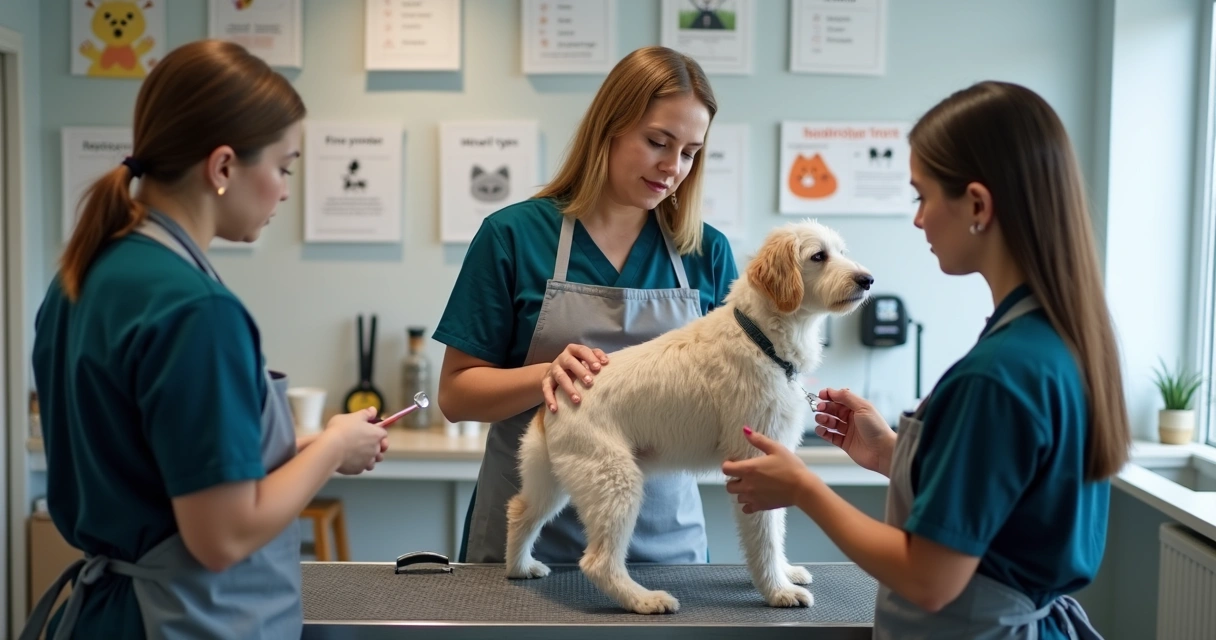 Client communication and expectation management
Many grooming complaints do not start with poor work. They start with poor communication. I have seen owners expect a fluffy trim on a severely matted dog, or a breed-standard finish on a pet that cannot tolerate a long session. The gap between hope and reality can damage trust if no one addresses it early.
Clear client communication protects the pet, the groomer, and the business.
At check-in, staff should confirm:
- The requested style and coat length
- Any known health or behavior concerns
- Matting policies and shave-down approval
- Pickup time and contact method
- Permission to stop or adjust the service for safety reasons
Photos help. Signed notes help. Plain language helps even more. If a pet has fleas, skin irritation, ear odor, or a suspicious lump, the owner should hear that in a calm and direct way. The groomer is not diagnosing. The groomer is reporting observations and suggesting veterinary follow-up when needed.
I also recommend post-visit notes. They create continuity and support future appointments. Businesses that want to tighten communication habits can review process-driven content such as this service management piece and build similar standards into their client journey.
Health checks and emergency readiness
Groomers often notice issues before owners do. That is one reason quality control in grooming carries real health value. Quick visual and hands-on checks can reveal hot spots, ear discharge, parasites, growths, cuts, limping, dehydration signs, and pain reactions.
Basic health and safety checks should happen before, during, and after the groom.
These checks should be documented, especially if anything changes during service. If a pet arrives with a pre-existing issue, note it. If a pet develops redness from mat removal or becomes stressed during drying, note that too.
Emergency procedures should be written and trained, not improvised. Every salon should have:
- Pet first aid supplies
- Emergency contact details for owners and backup contacts
- Nearby veterinary clinic information
- Steps for cuts, overheating, seizures, falls, and escape risks
- Incident reporting forms
I would even run drills. It may feel formal for a grooming salon, but emergencies do happen. Calm responses come from practice. If your team wants a more organized approach to record access and client history during urgent moments, Buddyz makes that faster because pet records, appointments, and customer details live in one system.
Quality control and standard operating procedures
A grooming business cannot improve what it does not review. I think quality control should be light enough to use every day, but detailed enough to catch patterns. This is where standard operating procedures, or SOPs, make a real difference.
Standard operating procedures turn good intentions into repeatable service habits.
SOPs should cover the full appointment flow:
- Booking and intake questions
- Arrival check and pet assessment
- Bathing, drying, brushing, trimming, and finishing steps
- Cleaning and tool disinfection after the appointment
- Client notes, follow-up, and rebooking guidance
Then add quality checks. For example, a lead groomer or manager can review finish quality, pet comfort notes, lateness patterns, rework cases, and client complaints each week. I also like random audits of sanitation logs and equipment condition.
For support on building these workflows, I would look at practical references from the Buddyz content library, including this process-focused article, broader insights from Marcus, and searchable operational topics through the site’s resource center.
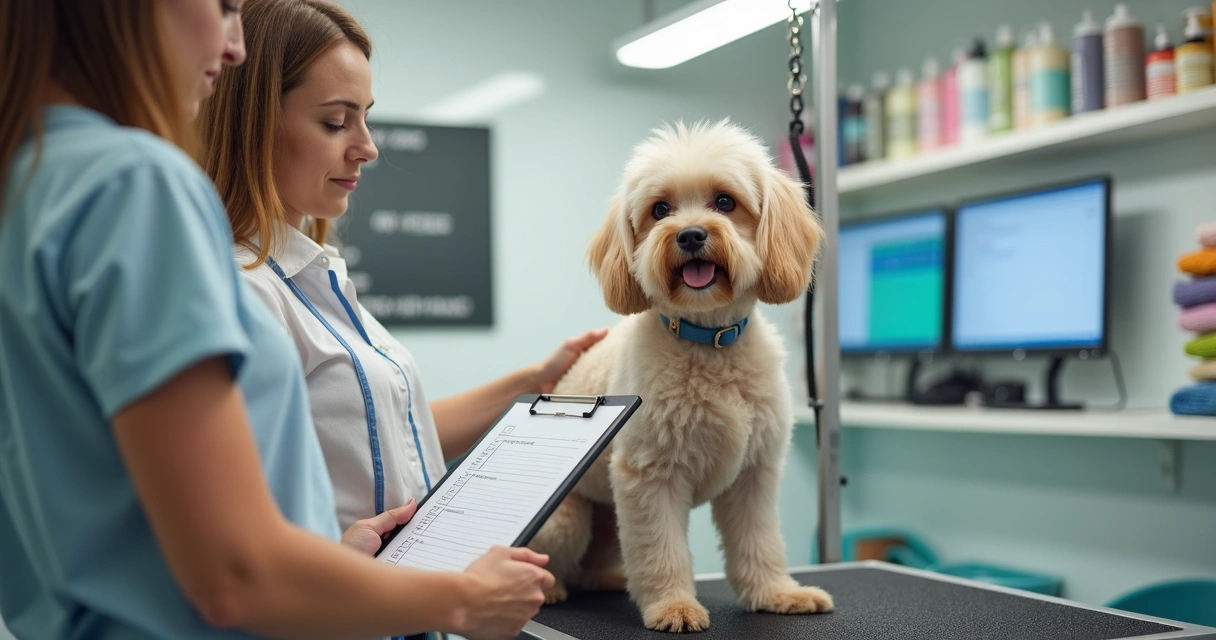 How to raise your standards in practice
If I were improving a grooming business today, I would not try to change everything at once. I would start with a baseline review, write down the current process, and fix the highest-risk gaps first.
Here is a practical upgrade path:
- Audit your current workflow from booking to pickup
- Write SOPs for safety, sanitation, handling, and communication
- Train all staff and test understanding through observation
- Set daily cleaning and equipment check logs
- Add intake forms that capture health, behavior, and style expectations
- Document incidents and review them monthly
- Track repeat concerns, client feedback, and staff coaching needs
That last step matters more than many people think. Quality is not just the absence of accidents. It is the steady presence of good care, clear records, and a team that knows what “done right” looks like.
Conclusion
I think the best grooming businesses earn trust in small moments. A clean blade. A calm hand. A clear note to the owner. A safe stop when a pet has had enough. Those moments form the real meaning of grooming quality standards. They protect pet well-being, support staff confidence, and strengthen reputation over time.
If you want to improve your grooming operation in a way that is practical and easier to manage, I suggest getting to know Buddyz and seeing how one connected platform can help you organize pet records, appointments, staff routines, and service quality with more control.
Frequently asked questions
What are grooming quality standards?
Grooming quality standards are the written rules and daily practices that guide safe, clean, humane, and consistent pet grooming. They usually cover handling, sanitation, equipment use, staff training, client communication, health checks, and emergency steps.
How to choose a quality pet groomer?
I would look for a groomer who asks detailed intake questions, explains the service clearly, keeps the salon clean, handles pets gently, documents health concerns, and has visible training or certification. Reviews can help, but direct observation of communication and cleanliness often tells me more.
Why are grooming standards important?
They matter because they reduce safety risks, improve hygiene, support better pet handling, and create a more reliable client experience. Standards also help teams work the same way across shifts and staff members, which protects the business from avoidable mistakes.
How can I improve my grooming business?
Start by reviewing your current process, writing clear SOPs, training your staff, improving intake and follow-up communication, and tracking sanitation and incidents. I also think it helps to use an operating system like Buddyz to keep appointments, customer details, pet records, and staff tasks in one place.
What certifications are needed for groomers?
The answer depends on your location, since laws and business rules vary. In many places, formal certification is not legally required, but recognized grooming education, pet first aid training, and ongoing skill development are strong signs of quality. I would treat certification as a high-value standard even when it is not mandatory.