7 Strategies To Grow Pet Business And Boost Grooming Revenue
July 20, 2026

I have seen many pet companies work hard, stay busy, and still feel stuck. The calendar looks full, the team looks tired, and the owner wonders why profit is not moving enough. That gap usually comes from weak systems, unclear pricing, and marketing that brings attention but not loyal clients.
Pet business growth happens when better service, better systems, and better numbers work together.
If I were building a plan to grow a pet business today, I would keep it simple. I would focus on seven moves that raise revenue, improve client experience, and make daily work easier. This is the playbook I would use for grooming salons, boarding sites, dog daycares, and multi-service pet brands.
1. Build a clear growth plan before you market harder
In my experience, many owners try random promotions before they define what growth should look like. That creates noise, not progress. I think every owner should start with a 12-month plan tied to real targets.
Set goals in three layers:
- Revenue goals by month
- Client goals such as new bookings, repeat visits, and rebooking rate
- Operational goals such as staff capacity, no-show rate, and average ticket
Once I have these numbers, I can decide what to push first. If demand is low, I invest in marketing. If demand is fine but margins are weak, I fix pricing and upsells. If the team is overloaded, I improve scheduling and hiring.
A growth plan should tell you what to fix first, not just what to wish for.
This is where tools matter. I like platforms that bring scheduling, payments, pet records, and client history into one place. Buddyz fits that model well because it helps pet businesses see the full picture instead of chasing data across different apps.
2. Improve local marketing that brings ready-to-book clients
I think local visibility still wins. Pet parents usually want a trusted place nearby, and they want proof fast. They check reviews, photos, services, and booking ease. If any part feels weak, they move on.
Here is what I would improve first:
- Google Business Profile with updated hours, services, and fresh photos
- Service pages for grooming, daycare, boarding, and add-ons
- Review requests sent after good visits
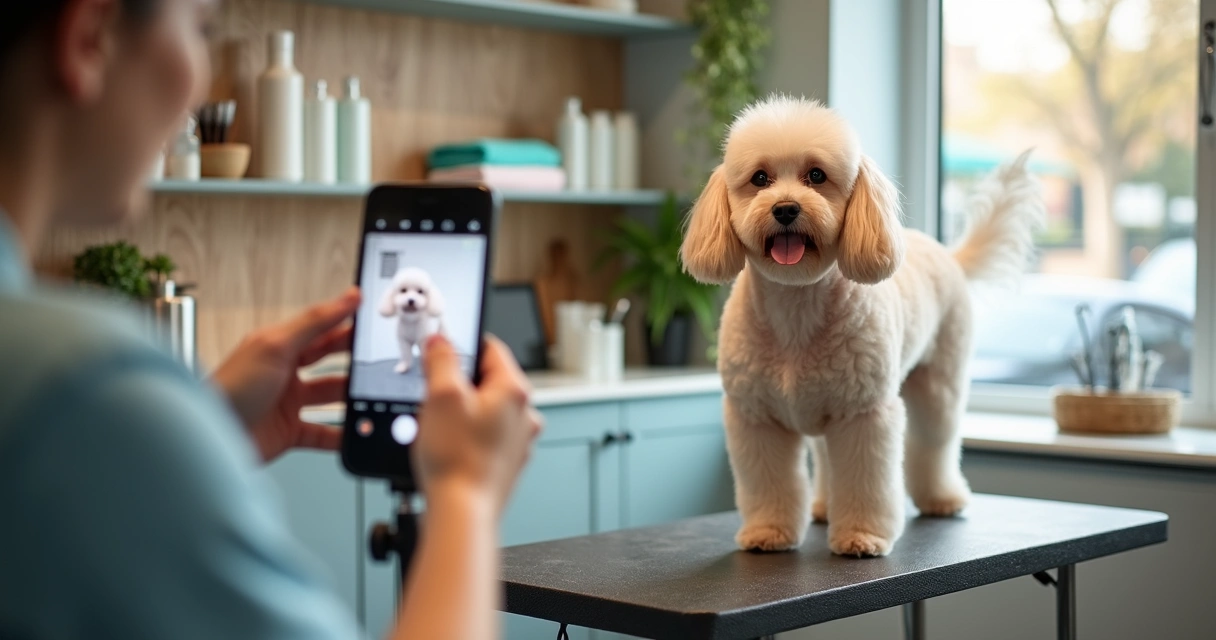
- Short social posts that show before and after grooming results
- Simple offers for first-time clients that protect margin
I once watched a grooming shop post polished graphics for months with little return. Then they switched to simple pet photos, short care tips, and clear booking links. Calls went up within weeks. People wanted proof, not polish.
Show the result. Make booking easy.
Social media does help, but only when it supports sales. I would not chase vanity metrics. I would post content that answers buying questions, shows real pets, and reminds clients to rebook. If you want more ideas, I suggest browsing the Buddyz content search page to find topics that match your growth stage.
3. Raise average ticket with smart pricing and add-ons
Many grooming businesses undercharge because they fear losing clients. I understand the fear. But low prices often attract the wrong buying behavior and strain the team. I think better pricing should be tied to time, coat condition, breed size, behavior, and service level.
If your price does not reflect labor and care level, revenue will stay flat even when bookings rise.
I would review:
- Base prices by pet size and coat type
- Extra charges for matting, difficult handling, or late pickup
- Premium packages that bundle bath, nails, teeth, and de-shedding
- Memberships or recurring plans for regular grooming clients
One small change can have a big effect. A team that adds just two or three well-positioned upgrades per day can change monthly income without adding more appointment slots. The key is to make add-ons feel helpful, not forced. Front desk scripts matter. Service notes matter. Timing matters.
I have also found that clients accept higher prices when communication is clear. Explain what is included, what the pet needs, and how often the service should happen. People pay more when value is visible.
4. Keep clients coming back with retention systems
New client marketing gets attention, but repeat business builds stability. In pet grooming business growth, retention is often where the real profit sits. I think every salon should treat rebooking like part of the service, not an afterthought.
Here is a simple retention system I would use:
- Rebook before the client leaves
- Send reminders at the right interval for the pet’s coat and care needs
- Track birthdays, care notes, and past preferences
- Follow up after first visits to reduce churn
- Reward repeat visits with perks that protect margin
The easiest revenue to win is often the next appointment from a happy client.
This is another place where an all-in-one operating system helps. With Buddyz, pet records, appointment history, customer relationships, and communications can stay connected. That means fewer missed follow-ups and more personal service at scale.
If you want another perspective on creating better customer journeys, I liked the ideas reflected in this article on customer-focused pet service growth. It supports the same point I keep seeing in the field: loyalty is built by consistent care and timely communication.
5. Use automation to reduce leaks in daily operations
I have seen good businesses lose money in quiet ways. Missed reminders. Double booking. Slow check-in. Forgotten vaccine notes. Staff confusion. None of these problems look dramatic, but together they drain revenue.
Automation helps close those leaks. I am not talking about replacing people. I am talking about removing repeat admin work so the team can focus on pets and clients.
Areas I would automate first include:
- Online booking and appointment confirmations
- Text and email reminders
- Payment collection and invoices
- Client segmentation for offers and reactivation
- Staff schedules and service assignments
Some software providers cover pieces of this, but many still feel fragmented. I prefer a platform built for pet businesses from the start. Buddyz stands out because it connects operations, client management, payments, and growth tools in one system. That lowers friction and gives owners a better view of what is working.

6. Hire and train for service quality and growth capacity
When owners ask me how to grow their pet business, I often ask a harder question first: can your current team support more demand without hurting the client experience? If the answer is no, marketing alone will backfire.
You need enough people, but you also need the right structure. I think hiring should be tied to service mix and future demand. A salon adding more premium grooms may need stronger technical skill. A daycare expanding volume may need better floor supervision and shift planning.
My rule is simple. Train for consistency, not just speed.
Growth becomes fragile when service quality depends on only one star employee.
I would create simple training around:
- Client communication and intake questions
- Breed and coat handling standards
- Safety, sanitation, and documentation
- Upsell language that feels caring and honest
- Daily checklists for opening, handoff, and closing
If you are shaping your team structure, this post on building stronger pet service operations is a useful read. I also like to follow insights from Marcus at Buddyz, because the advice stays close to the real pressures pet business owners face every day.
7. Track KPIs and expand only when the model is stable
I have seen owners think about a second location too early. Expansion sounds exciting, but weak unit economics become bigger problems in a larger footprint. Before adding vans, rooms, groomers, or new branches, I would make sure the first model is stable.
The KPIs I watch most closely are:
- Average ticket
- Client retention rate
- Rebooking rate
- No-show and cancellation rate
- Revenue per groomer or staff hour
- Capacity use by day and time slot
- Customer acquisition cost by channel
You should expand only after your numbers show repeatable profit, steady demand, and stable service quality.
Strategic planning matters here. I would map the next move based on demand patterns. Maybe the answer is not a new location. Maybe it is extended hours on peak days, mobile grooming, daycare bundles, or retail add-ons. The right expansion path depends on what your data says, not on what looks exciting online.
For another angle on turning service data into growth decisions, I found this Buddyz article about smarter business planning useful. It supports what I have learned over time: numbers reduce guesswork.
Conclusion
I think the best way to boost grooming revenue is to stop treating growth like a single tactic. Better marketing helps, yes. Better pricing helps too. But real progress comes when planning, retention, automation, hiring, technology, and KPIs all support each other.
That is how I would grow a pet business in a way that lasts. I would create demand, protect margins, keep clients close, and build systems that free the team to give better care. If you want a simpler way to manage that whole picture, I suggest getting to know Buddyz and seeing how one platform can support your scheduling, client relationships, operations, and business growth.
Frequently asked questions
How can I attract more grooming clients?
I would focus on local search, strong reviews, clear service pages, and real pet photos. First-time offers can help, but I think trust signals matter more. Make prices clear, show results, and make booking easy from mobile devices.
What are top growth strategies for pet businesses?
In my experience, the best strategies are better retention, smarter pricing, local marketing, referral systems, service add-ons, staff training, and stronger KPI tracking. When those pieces connect, growth becomes more stable and more profitable.
Is social media effective for pet business growth?
Yes, I think it works well when it supports booking and trust. Post before and after grooming photos, care tips, team moments, and reminders to schedule visits. Social media should help clients feel confident enough to book, not just scroll.
How do I increase grooming service revenue?
I would review pricing, raise average ticket with relevant add-ons, reduce no-shows, and improve rebooking. Premium packages, coat-based pricing, and better follow-up often increase revenue faster than trying to add too many new clients at once.
What marketing works best for pet grooming?
The best marketing usually combines Google visibility, client reviews, email or text follow-up, referral rewards, and simple social proof. I have seen the best results come from campaigns that target local pet parents who are already looking for a trusted groomer nearby.