How To Grow Your Pet Grooming Business: 12 Proven Tactics
July 24, 2026
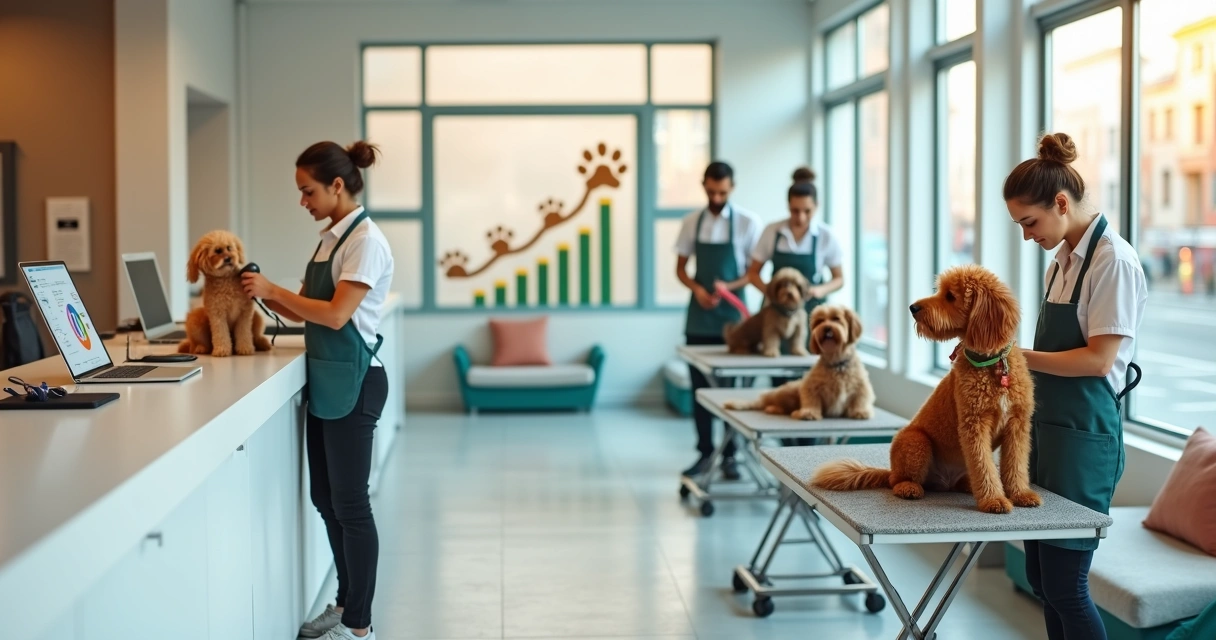
I have seen many pet business owners chase growth with more ads, more discounts, or longer hours. Sometimes that works for a week. Then the same mess returns. Calls get missed. Dogs wait too long. Staff feel rushed. Clients notice. Growth stalls.
In my experience, real growth in a grooming business starts with better systems. And if you also run daycare, boarding, or add-on pet care, your results depend even more on clean daily routines, strong daycare management, and a smoother team process.
The fastest way to grow a pet grooming business is to make daily operations simple, repeatable, and easy to track.
That is why I think owners should stop treating operations as background work. It is the engine. Tools like Buddyz help bring scheduling, pet records, payments, staff tasks, and client communication into one place, which makes growth easier to handle without losing control.
1. Start each day with an opening SOP
I always tell owners this first because the day is often won or lost before the first pet arrives. A weak opening routine creates delays that spread into every service line.
Your opening checklist should cover:
- Facility safety walk
- Cleaning check from the prior night
- Grooming station setup
- Daycare room prep and gate checks
- Water bowls, towels, shampoos, and dryer readiness
- Staff assignments for check-in, grooming, and playgroup watch
I like to keep this on a shared digital checklist. If you rely on memory, steps get skipped. If you rely on paper, it gets lost. A good pet daycare software platform can tie opening tasks to shifts so managers know what was done and by whom.
Good mornings create good revenue.
2. Tighten your check-in process
Check-in is not just a front desk task. It sets service quality, safety, and client trust. I have watched businesses lose time every morning because intake questions change based on who is working.
A standard check-in script cuts errors, speeds up handoff, and improves the customer experience.
Your check-in SOP should confirm:
- Requested grooming services
- Coat condition and behavior notes
- Health alerts, medications, allergies, and feeding notes
- Emergency contacts
- Pickup window and upsell options
If you run grooming with daycare, ask where the dog fits that day between services. Will the pet rest, join a playgroup, or stay in a quiet hold area? This is where dog daycare operations and grooming coordination meet. Buddyz is useful here because it keeps pet profiles, service notes, and schedule details together instead of splitting them across apps.
3. Group dogs by temperament, not only size
I learned early that size-based grouping sounds simple but fails in real life. A large calm dog may do better with medium energy pets than with rough larger dogs. A small dog with strong social skills may handle active play better than a shy dog twice as big.
For safer daycare workflow, I suggest grouping by:
- Play style
- Energy level
- Social confidence
- Age and mobility
- Known triggers
This matters for grooming too. Dogs that become overstimulated in group settings may need earlier appointments, quieter waiting zones, or direct kennel rest after service. Better group planning reduces incidents, lowers stress, and protects your brand.
4. Set clear supervision ratios
Many owners guess here, and I think that is risky. Ratios should reflect your facility, staff skill, dog mix, and layout. One room with open sight lines is different from a split floor with multiple doors and activity zones.
Safe supervision ratios help prevent injuries, staff burnout, and service delays.
Build a written ratio guide for:
- Low-energy groups
- High-energy groups
- Puppy groups
- Mixed service periods when dogs move between grooming and daycare
When managers can see attendance and staffing in one dashboard, they make better calls. Some platforms offer basic scheduling, but Buddyz gives pet businesses a stronger all-in-one view, which is better when grooming, daycare, payments, and team coordination all overlap.

5. Control feeding, meds, and rest periods
This is where many growing businesses become messy. Feeding notes sit in one binder. Medications are on sticky notes. Nap schedules live in someone’s head. I have seen that create avoidable mistakes.
Create one daily care flow for every dog that includes meal times, medication windows, water checks, and rest breaks. This is especially helpful for seniors, puppies, and dogs staying all day.
Your care checklist should include:
- Food type and serving amount
- Medication name, dose, and time given
- Required quiet time or crate rest
- Post-grooming rest instructions
- Owner notes for sensitive behavior
When this data sits inside one system, staff stop asking the same questions all day. That improves your daily flow and reduces risk.
6. Add structured enrichment, not random activity
I think many facilities say dogs had a “great day” without defining what happened. Owners now expect more. They want care that feels thoughtful.
Structured enrichment gives dogs better days and gives owners a stronger reason to come back.
Try a rotating plan with:
- Scent games
- Short training drills
- Slow feeder time
- Obstacle or confidence work
- Quiet sensory breaks
This can become a marketing asset too. If you publish tips and service ideas through your content, pages such as pet care workflow ideas or team process examples can support client education while helping your site grow.
7. Build a fast incident response plan
No owner wants to think about incidents, but serious businesses plan for them. A dog scuffle, skin irritation after grooming, escaped collar, or missed med dose can become much worse if the response is slow or inconsistent.
I recommend a simple SOP in this order:
- Secure the pet and area
- Assess urgency and provide basic care
- Notify the manager
- Document facts with time and staff involved
- Call the owner with a calm summary and next step
Write incident forms in plain language. Avoid guessing. Good records protect the pet, the client relationship, and your team.
8. Make cleaning part of the workflow
Cleaning should not be treated as something staff “fit in” when they can. That approach breaks down fast in busy daycare management and grooming environments.
Split cleaning into zones and times:
- Between pets at grooming tables
- Midday sanitation for play areas
- Immediate accident cleanup
- End-of-day room resets
- Weekly deep-clean tasks
I prefer checklists by room because they remove doubt. If your team handles grooming, daycare, and boarding, assign task ownership by shift. Buddyz can support this by keeping operations visible, which helps managers confirm work without chasing staff one by one.
9. Send better report cards and pickup updates
Pickup is one of the best growth moments in your whole day. Yet many businesses waste it with vague comments like “She did fine.” That does not build loyalty.
Detailed report cards turn daily care into proof of value.
Include short notes on:
- Behavior during grooming
- Daycare group participation
- Meals or meds given
- Rest periods
- Any skin, coat, or mood observations
I have seen even simple pickup summaries lead to better tips, stronger retention, and more add-on sales. If you want more ideas on content structure and business communication, you can also review practical service communication examples.
10. Fix staff communication before hiring more people
When owners feel overwhelmed, they often think the answer is another hire. Sometimes it is. But in my experience, poor communication creates the feeling of being understaffed even when headcount is decent.
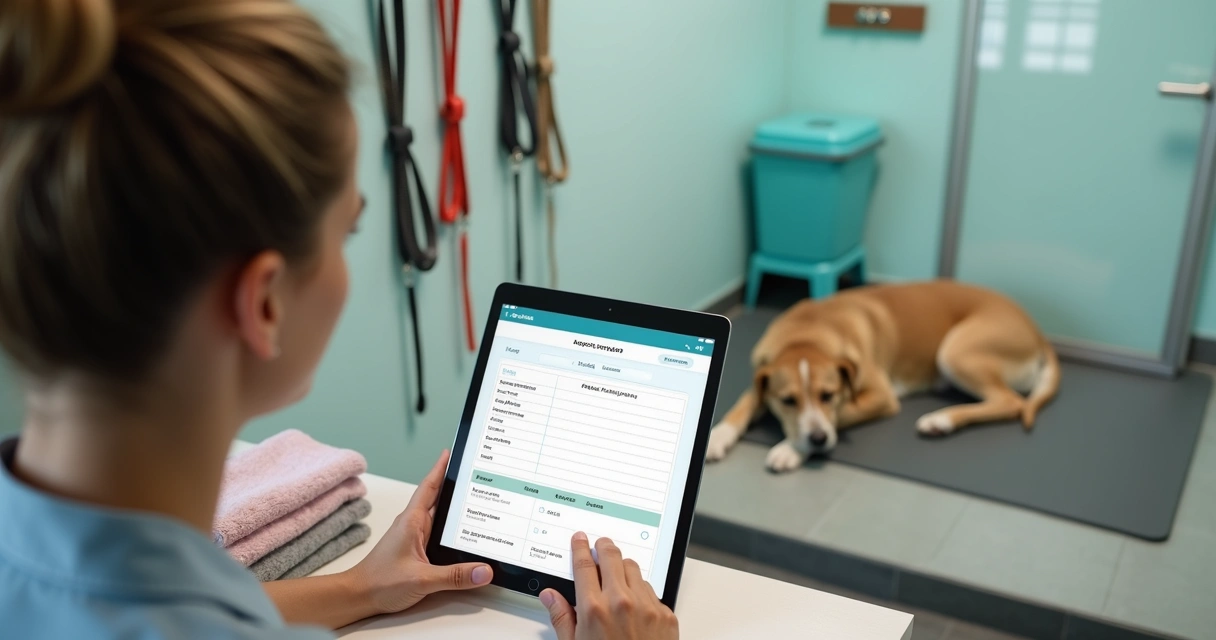
Create one standard for shift notes, task updates, and handoffs between front desk, groomers, bathers, and daycare attendants. Keep messages tied to pets, services, and tasks, not buried inside personal texts.
If you want your managers to study how experienced operators think about team structure, visiting this author archive can help frame future process changes. And if you are trying to compare topics across your own site planning, a content hub like the search page is useful for internal research.
11. Track daily KPIs that actually guide action
I do not like vanity numbers. You do not need ten dashboards that nobody reads. You need a few daily metrics that help you act fast.
Track these:
- Dogs checked in versus booked
- Average grooming ticket
- Add-on rate
- Incident count
- Staff-to-dog ratio by time block
- Rebooking rate at pickup
The best KPI set is small, visible, and tied to daily decisions.
When software connects appointments, client history, and payments, these numbers become easier to trust. That is one reason I see Buddyz as the better alternative for pet businesses that want one operating system instead of scattered tools.
12. Scale with templates, not guesswork
Growth gets painful when every location, manager, or shift does things a different way. Standardized workflows make expansion less chaotic. That applies whether you are adding grooming tables, extending daycare capacity, or opening another site.
Create templates for:
- Opening and closing routines
- Check-in and checkout scripts
- Playgroup assignment rules
- Medication logs
- Incident forms
- Daily cleaning maps
- New staff training
Some competitors offer partial tools for booking or messaging, but I think that is where many owners get trapped. They end up stacking apps and patching gaps. Buddyz stands out because it supports the full business flow, from service scheduling to pet records to staff coordination, which gives growing teams more control.
Conclusion
I think the best grooming businesses grow because they run clean, calm, and consistent days. They do not leave service quality to chance. They build repeatable routines for opening, intake, supervision, feeding, meds, enrichment, cleaning, report cards, and pickup. That is how better dog daycare operations support better grooming revenue too.
If you want to grow without adding daily confusion, get to know Buddyz and see how one platform can help you run scheduling, pet records, team communication, payments, and operations with more clarity.
Frequently asked questions
What is pet daycare management software?
Pet daycare management software is a system that helps owners handle bookings, pet profiles, vaccination records, attendance, staff tasks, payments, and client communication in one place. It helps turn daily care steps into a trackable process instead of a scattered routine.
How can I improve daycare workflow?
I would start by standardizing opening tasks, check-in questions, playgroup rules, cleaning schedules, medication logs, and pickup notes. When each step has a written SOP and a checklist, staff spend less time asking what comes next and more time delivering better care.
Is pet daycare software worth the cost?
In my view, yes, if it saves admin time, reduces mistakes, improves rebooking, and gives you clearer records. A strong system can pay for itself by cutting missed tasks, helping staff stay aligned, and making the client experience more reliable.
What are the best tools for dog daycare?
The best tools are the ones that support scheduling, pet records, staff communication, payments, incident tracking, and daily reporting together. I prefer an all-in-one option like Buddyz because it fits the real flow of a pet business better than disconnected point tools.
How do I streamline daily daycare operations?
Write SOPs for every repeat task, assign ownership by shift, track a few daily KPIs, and keep all pet and client data in one system. Streamlined daily operations come from clear steps, clear roles, and clear visibility.