A Guide to Starting a Dog Daycare: Licensing to Staffing
July 12, 2026
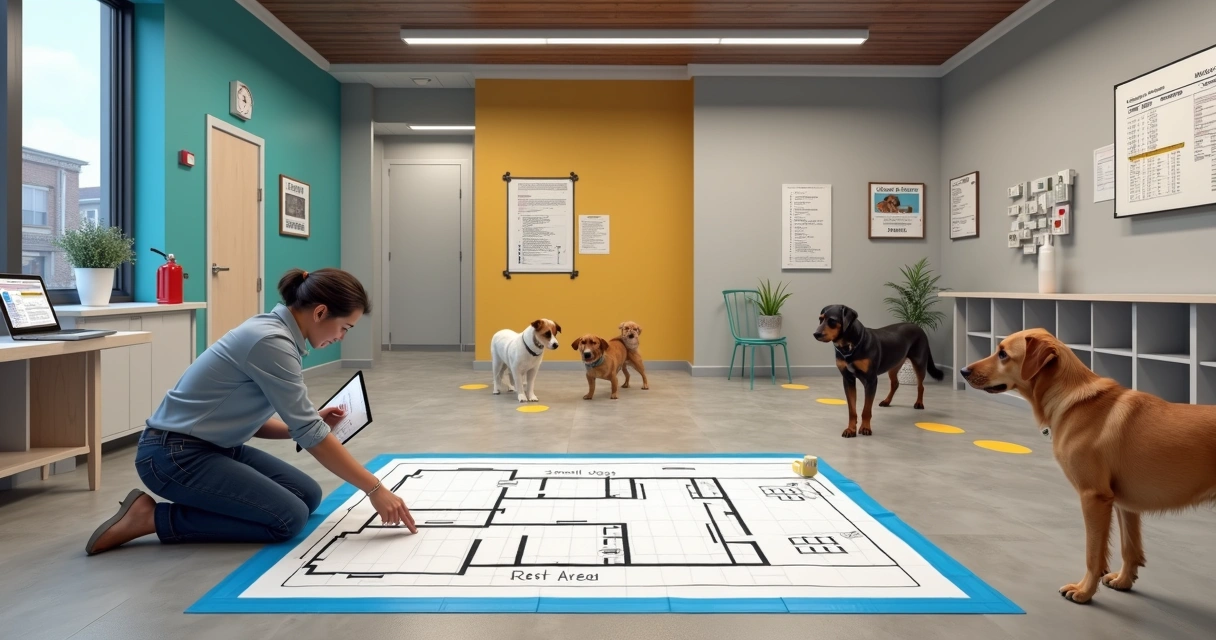
I have seen many pet businesses open with heart, energy, and a real love for dogs, but that alone does not carry a daycare through its first year. If you want to learn how to start a dog daycare business, you need a plan that covers demand, laws, hiring, pricing, health rules, and daily systems. That may sound like a lot. It is. But it is also manageable when broken into steps.
Starting a dog daycare means building a safe, legal, and well-run service before you ever open the door.
When I researched this topic, one pattern kept showing up. The strongest dog daycares were not always the biggest or the fanciest. They were the ones with clean records, trained staff, clear policies, and systems that helped them stay organized as they grew. That is also where a platform like Buddyz fits naturally, because pet businesses need one place to handle bookings, pet profiles, payments, staff tasks, and client communication without creating chaos.
Start with demand, not just passion
I love the passion side of this industry, but I would never advise opening a daycare based on instinct alone. First, I would study local demand. That means looking at dog ownership in your area, apartment density, commuter patterns, household income, and the number of existing pet care providers nearby.
A dog daycare works best in places where owners are busy, dogs are social, and travel time is short.
Look at neighborhoods within a 10 to 15 minute drive. I would check:
- How many working professionals live nearby
- How many apartments or condos allow dogs
- How many vets, groomers, and trainers serve the same area
- Whether current daycares have waitlists, limited hours, or weak reviews
If I found several packed facilities and steady new housing growth, I would take that as a strong sign. If I found low density, long drive distances, and weak pet spending, I would pause. Demand comes first.
Choose the market before the building.
If you want more pet business reading paths, I would also browse related topics on the Buddyz content hub to map out adjacent services and customer habits.
Build a business plan for pet care
A generic business plan will not help much here. Dog daycare has its own costs, risks, and staffing pressure. I think your plan should be built around care ratios, safety rules, vaccination standards, and recurring memberships.
Your business plan should show how dogs move through your facility, how staff supervise them, and how the business earns profit per space available.
I would include these parts:
- Target customer profile, such as commuters, hybrid workers, or high-income households
- Service menu, such as daycare, half days, enrichment sessions, boarding add-ons, baths, and training support
- Capacity model based on square footage, playgroup size, and staffing levels
- Revenue forecast by daily attendance, package sales, and seasonal demand
- Startup budget for lease, build-out, flooring, gates, kennels, software, insurance, and payroll reserve
- Marketing plan for launch and retention
I would also build a break-even model. For example, if your monthly fixed costs are high, you need to know exactly how many dogs per day must attend to cover rent, wages, insurance, and utilities. This is where many owners get surprised. They price too low and fill the building with work, not profit.
Choose the right location
The building matters more than many first-time owners expect. A poor location can create noise complaints, cleaning issues, parking trouble, and safety headaches from day one.
When I look for a site for a pet service business, I care about layout just as much as rent. I want enough indoor and outdoor space, proper drainage, secure fencing, easy cleaning surfaces, and room for separate playgroups.
The best dog daycare location is one that supports safe flow, not just good visibility.
I would look for:
- Zoning that allows animal-related business activity
- Safe drop-off and pick-up parking
- Ventilation and temperature control
- Space for isolation, feeding, storage, laundry, and staff breaks
- Durable floors with traction and sanitation value
- Acoustic features that reduce stress from barking
Before signing a lease, I would ask the city about occupancy, building permits, signage rules, wastewater requirements, and noise standards. A landlord saying “it should be fine” is not enough.
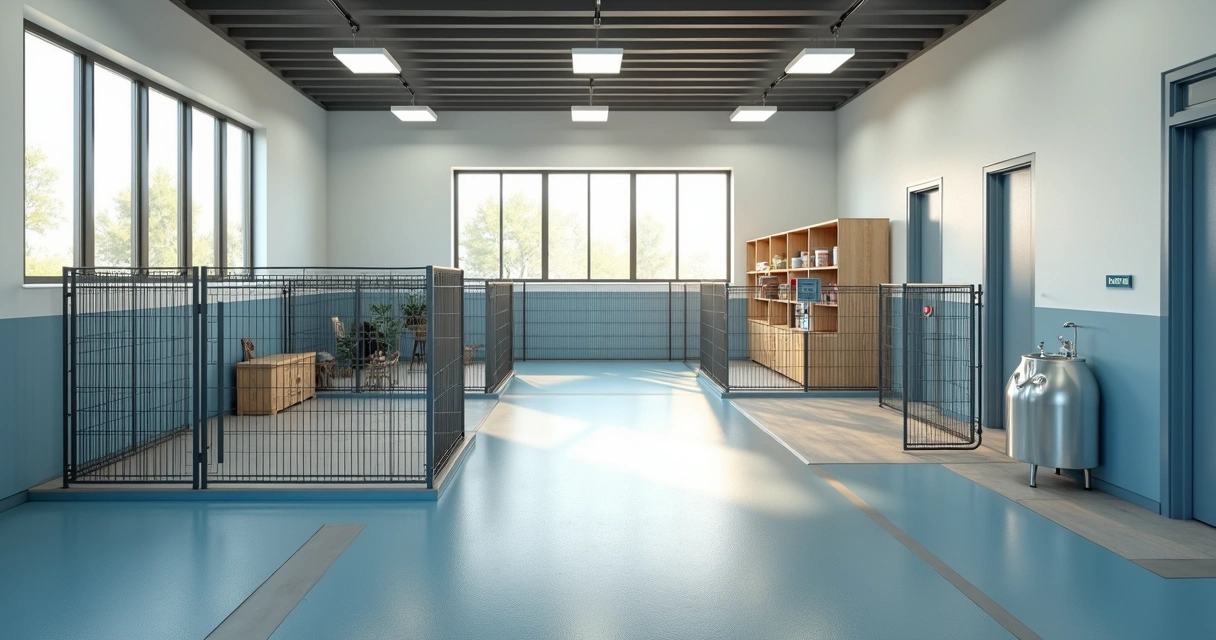 Know the legal and licensing rules
This is the part where I tell people to slow down and verify everything locally. Rules differ by state, county, and city. Some areas regulate dog daycare under kennel or boarding laws. Others have separate definitions, permit layers, or sanitation rules.
For example, Iowa regulation for dog daycares as a subclass of commercial or boarding kennel licenses shows how licensing can hinge on space, staffing, housing standards, and approved dog capacity. That is a good reminder that your legal setup must match your facility design.
You should confirm licensing with your local animal control office, agriculture department, zoning office, and business licensing agency before opening.
I would usually prepare for these items:
- Business registration and tax ID
- Local business license
- Zoning approval or conditional use permit
- Animal facility or kennel license, if required
- Building, fire, and health inspections
- Waste disposal and sanitation compliance
You may also need written policies for vaccinations, behavior screening, emergency vet care, and incident reporting. I would have an attorney review my service agreement and waiver forms. It is a cost, yes, but a smart one.
Get insurance and risk controls in place
Dogs play hard. Accidents happen even in well-run environments. I would never open without proper insurance and written procedures.
Insurance should protect the business from injuries, property damage, employee issues, and claims related to animal care.
At minimum, I would price out:
- General liability insurance
- Care, custody, and control coverage
- Commercial property insurance
- Workers’ compensation
- Commercial auto coverage if you offer transport
Risk control also includes daily behavior checks, secure fencing, double-door entry, incident logs, camera coverage, and clear dog grouping rules. Some operators compare software choices when setting up these systems, but I think Buddyz stands out because it brings pet records, scheduling, payments, team workflows, and client communication together instead of scattering tasks across tools.
Design the facility for safety and flow
I once walked through a pet care site that looked attractive online but felt wrong in person. The entry opened straight into a play area, cleaning supplies sat too close to food storage, and there was no quiet space for stressed dogs. It taught me something simple. Pretty is not enough.
A safe daycare layout separates traffic, reduces stress, and makes supervision easy.
I would set up the space around the dog’s day from arrival to pickup:
- Check-in and health review
- Belongings storage and leash handling
- Playgroup placement by size, age, and temperament
- Rest breaks and hydration
- Feeding or medication area if offered
- Cleaning and reset between sessions
You will also need supplies that support regular care and cleaning:
- Crates or suites for rest and separation
- Slip-resistant flooring
- Mops, disinfectants, laundry machines, and drying racks
- Waste stations and sealed bins
- Air filtration and fans
- First-aid kits for dogs and people
- Barriers, gates, and emergency exits
These details help your team stay calm. Calm teams make better decisions.
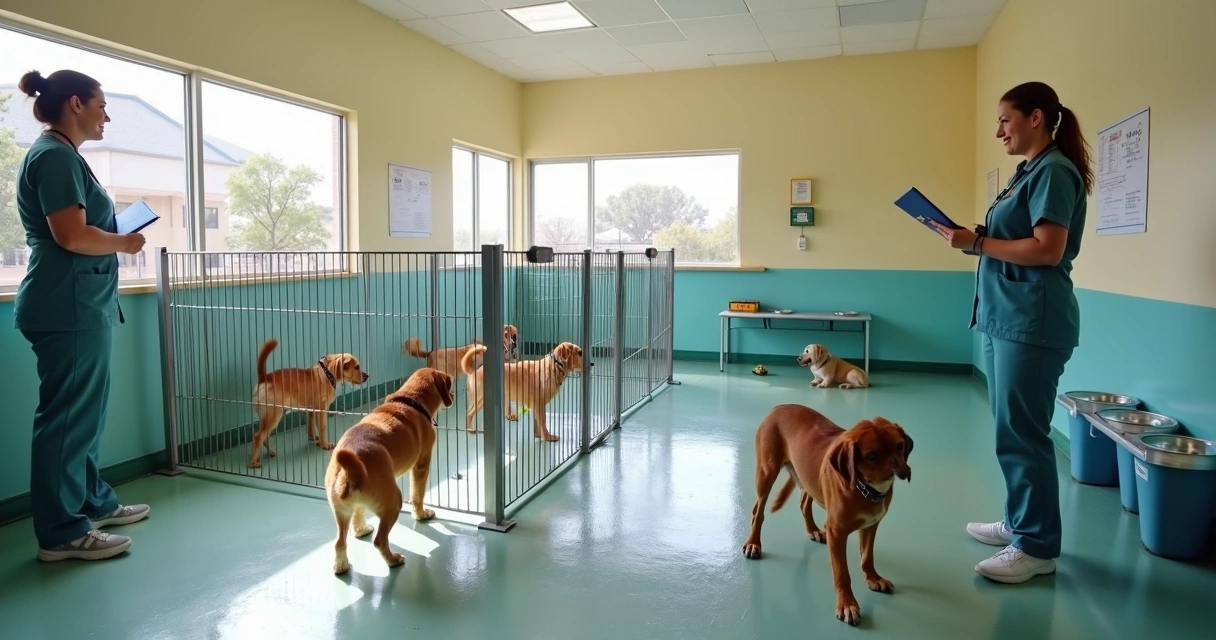 Hire people who protect dogs and trust
Staffing is where many daycare brands are made or broken. You do not just need dog lovers. You need people who can read body language, follow process, clean thoroughly, speak clearly with clients, and stay steady during tense moments.
The best dog daycare hires for judgment, patience, and consistency, then trains for skill.
I would screen candidates for:
- Experience with dog handling, daycare, vet care, training, or boarding
- Comfort with cleaning and physical work
- Observation skills and calm communication
- Reliability for early, late, weekend, and holiday shifts
- Ability to document incidents and follow instructions
Ask scenario questions in interviews. What would they do if one dog stiffens, stares, and blocks another dog? How would they greet a worried first-time client? Their answers tell you a lot.
I would also look for CPR or pet first-aid training, then require onboarding in playgroup management, sanitation, bite prevention, emergency drills, and client service. If you want more guidance from the same publishing network, I would suggest reading this pet business planning article, this operations-focused resource, and this client management guide. I also like following updates from Marcus when I want practical ideas on running pet services.
Set daily workflows before opening day
Opening gets smoother when each shift has a rhythm. I would write simple checklists for morning setup, intake, playgroup rotation, feeding, medication, cleaning, incident logs, and end-of-day close.
Written workflows reduce mistakes when the building gets busy.
A sample day might include:
- Morning safety walk of all spaces
- Review of attendance, notes, and health alerts
- Arrival screening and group assignment
- Scheduled potty, play, and rest cycles
- Midday sanitation and water refresh
- Pickup reporting to clients with notes on behavior and activity
This is another area where technology helps a lot. Buddyz can support scheduling, pet records, payments, staff coordination, and client communication in one system, which makes daily handoffs cleaner and easier to track.
Prevent disease with records and clear policies
Disease control is not a side issue in daycare. It sits at the center of trust. Clients want socialization and convenience, but they also want to know their dog is protected.
Vaccination checks, cleaning logs, and symptom screening should be part of your normal intake process.
I would require documented vaccine records based on local veterinary guidance and my own risk standards. I would also set rules for parasite prevention, symptom reporting, and exclusion after vomiting, diarrhea, coughing, or fever.
Keep records for:
- Vaccinations and expiration dates
- Spay or neuter policies if applicable
- Behavior notes and group fit
- Feeding instructions and allergies
- Medication schedules
- Injuries, incidents, and owner communication
If these records live in paper folders, staff lose time. If they are scattered across texts and spreadsheets, mistakes happen. That is one reason many growing teams move to Buddyz instead of patching together separate tools.
 Price your services with care
I think pricing is one of the hardest parts for new owners because they often compare rates before they understand their own costs. Low prices can fill spots and still hurt the business.
Good daycare pricing covers labor-heavy care, cleaning time, facility overhead, and risk.
I would build pricing around capacity and service type:
- Full-day daycare
- Half-day daycare
- Multi-day packages
- Monthly memberships
- Evaluation day fees
- Add-ons like baths, nail trims, transport, or enrichment sessions
Also think about service position. Are you low-cost and simple, or premium and structured? Both can work if the offer is clear. I prefer strong value over price cutting. If your team is trained, your building is clean, and communication is sharp, many clients will pay for peace of mind.
Market locally and keep clients coming back
You do not need loud marketing. You need trust. In my experience, dog daycare grows through proof, routine, and referrals. Launch with a clean website, local SEO pages, active Google Business Profile management, and clear photos of your space and staff. Then support that with neighborhood outreach.
The best dog daycare marketing shows safety, routine, and real care instead of empty claims.
I would focus on:
- Vet, groomer, trainer, and pet store relationships
- Open house events and trial days
- Email and text reminders for packages, vaccines, and renewals
- Review requests after good visits
- Social posts with facility life, team training, and care standards
Retention matters just as much as lead generation. Easy booking, clear reporting, and fast responses keep clients from drifting away. Some businesses look at several pet software brands for this stage, but I think Buddyz is the better route because it was built as an operating system for pet businesses, not just a thin booking layer.
Open with control, then grow with discipline
When I think about how to start a dog daycare business the right way, I do not picture a rushed launch. I picture a measured one. Fewer dogs at first. More observation. Cleaner records. Better training. That approach gives you room to fix issues before they become habits.
A strong opening week is quiet, controlled, and well-documented.
Begin with a soft launch, test your staffing ratios, watch dog compatibility closely, and track every incident, delay, and customer question. Then refine your workflows. Growth should come after control, not before it.
If you are planning your own daycare, I would keep one thought in mind. Good pet businesses do not grow from guesswork. They grow from structure that supports care. If you want a simpler way to manage bookings, pet records, staff tasks, payments, and client relationships as your daycare takes shape, get to know Buddyz and see how it can support your next step.
Frequently asked questions
What licenses do I need for a dog daycare?
The licenses you need depend on your city and state, but I would expect to check business registration, zoning approval, a local business license, and in many areas a kennel, boarding, or animal facility license. You may also need fire, building, and sanitation approvals. I would confirm every requirement with local agencies before signing a lease or opening to the public.
How much does it cost to start a dog daycare?
Startup cost can range widely based on size, lease terms, and build-out work. A small setup may cost tens of thousands of dollars, while a larger commercial site with fencing, drainage, flooring, HVAC work, and staffing reserve can run much higher. I would budget for rent deposits, permits, insurance, equipment, payroll, software, cleaning tools, and marketing. The biggest cost surprises usually come from construction and early payroll.
What insurance is required for dog daycare businesses?
I would normally look at general liability, care, custody, and control coverage, commercial property insurance, and workers’ compensation. If you transport dogs, commercial auto coverage may also be needed. Some landlords or local rules may ask for specific limits. Insurance should match the real risks of handling animals, employees, clients, and property every day.
How do I hire staff for a dog daycare?
I would hire for calm judgment, reliability, communication, and comfort with physical cleaning work, not just love of dogs. Good candidates often come from daycare, boarding, grooming, training, shelter, or vet support backgrounds. Use interviews, scenario questions, reference checks, and trial observation when possible. Staff should be trained in dog body language, sanitation, emergency response, and customer interaction before working independently.
Is opening a dog daycare profitable?
It can be profitable if pricing, occupancy, staffing, and retention are managed well. I have seen that profit usually improves when owners track capacity closely, avoid underpricing, add high-margin services, and keep good client records. A busy daycare is not always a profitable daycare. Profit comes from safe operations, steady repeat business, and clear control over labor and overhead.