A Guide to Improving Grooming Customer Experience
July 12, 2026
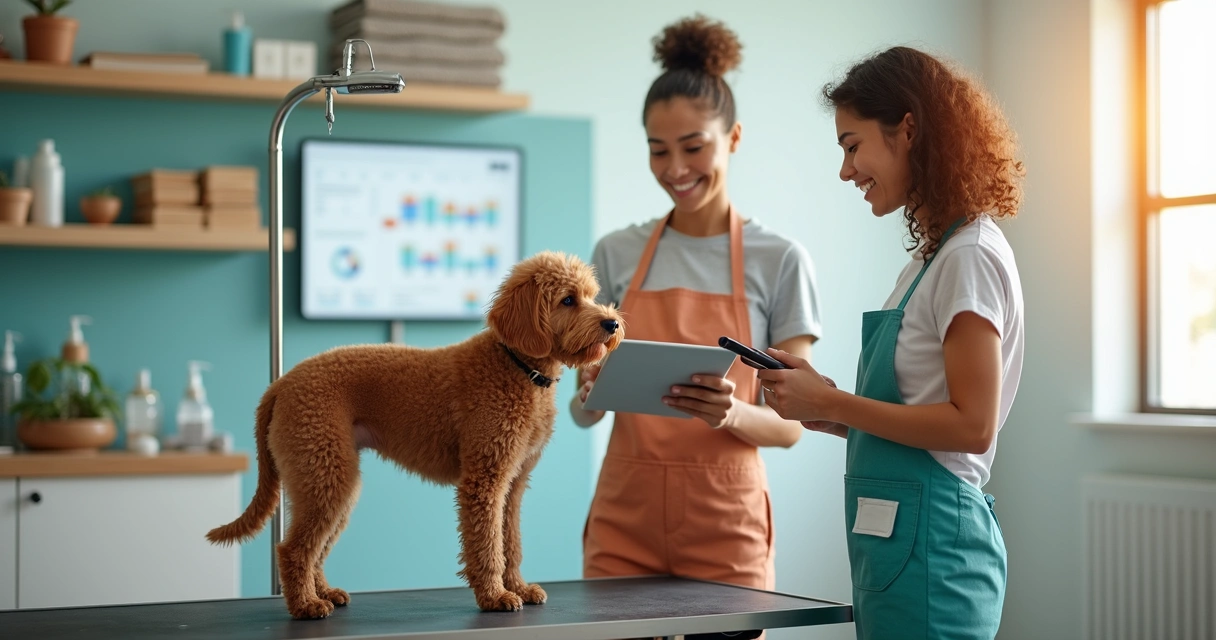
The best way to improve the grooming customer experience is to create a consistent journey from booking to pickup. Clear communication, detailed pet profiles, realistic expectations, personalized care, proactive updates, and organized follow-up help build trust, increase repeat visits, and generate more positive reviews.
In my experience, pet grooming is never just about a haircut, a bath, or trimmed nails. It is about trust. A pet owner hands over a family member and hopes that the result will be safe, kind, and worth the cost. That moment shapes the full grooming customer experience more than many salon owners realize.
Great service in pet grooming starts long before the groom and lasts well after pickup.
I have seen salons with strong technical skills lose clients because they felt cold, rushed, or hard to reach. I have also seen average grooming businesses grow fast because they made people feel heard and cared for. Skill matters. Service decides whether clients return.
A wider service trend backs this up. Research shared through a Bentley University and Gallup survey on customer service found that 49% of Americans think customer service got worse over the past year, while only 6% think it got better. To me, that means grooming businesses have a real chance to stand out by being more responsive, warm, and clear than the average service brand.
The Importance of Customer Experience in Pet Grooming
When pet owners discuss their experiences with grooming salons, they rarely focus on the technical aspects like clipper guards or specific shampoos. Instead, they emphasize how their pets were treated, the attentiveness of the staff, the smoothness of the pickup process, and their overall emotional experience. This is where reputation is built and maintained.
Research indicates that 70% of customers are willing to pay more for better service, showing that client loyalty thrives when pet owners feel both their pets and their time are respected.
In the grooming industry, businesses must cater to three essential clients:
- The pet, who requires gentle handling, safety, and comfort throughout the grooming process.
- The owner, who seeks timely updates, transparency, and confidence in the grooming team.
- The business itself, which relies on well-defined systems to ensure consistent service delivery.
When any one of these areas falters, the entire grooming experience suffers. A stunning groom cannot compensate for a lack of communication, just as a warm and friendly front desk cannot overshadow rough handling or inadequate notes regarding a pet's health and behavior.
Trust is the cornerstone of exceptional service.
Factor Impact on ExperienceStaff Communication 73% of pet owners cite poor communication as a reason for leaving a grooming salon.Handling of Pets 65% of clients noted they would not return if their pet showed signs of distress during grooming.Consistency of Service 80% of clients prefer salons with consistent service standards over those with varying quality.
Start with communication that feels personal
I think one of the fastest ways to improve client satisfaction is to ask better questions before the appointment begins. Many complaints happen because the salon and the owner had different expectations. The issue was not grooming skill. It was a gap in communication.
At intake, I would focus on a few areas:
- Desired style and coat length
- Pet health notes, allergies, and skin issues
- Behavior triggers, fears, and handling limits
- Past grooming concerns
- Expected pickup time and service add-ons
Clear intake questions reduce confusion, prevent mistakes, and help clients feel understood.
I once spoke with a groomer who started taking short pre-visit notes for nervous dogs. The change was simple. The result was not. Owners felt relieved because they did not need to repeat the same warnings every time. The dogs came in calmer because the staff already knew what to avoid.
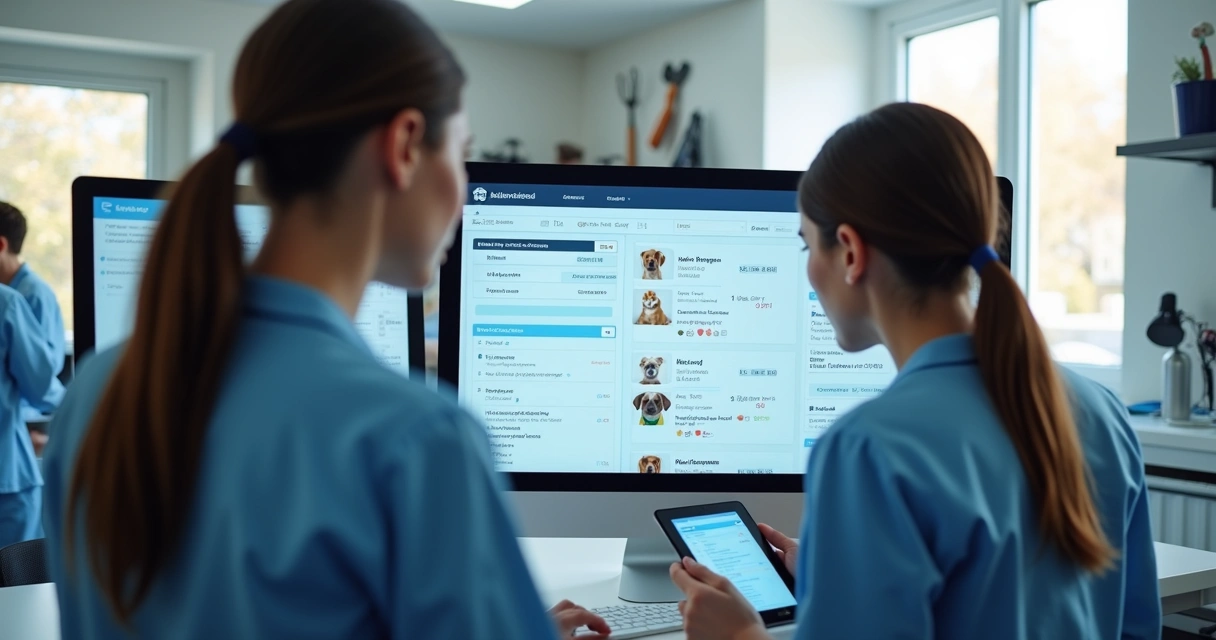
This is where software helps in a very practical way. A system like Buddyz can keep pet records, preferences, behavior notes, and visit history in one place, so the next appointment does not start from zero. That kind of continuity feels personal to the client, even when the team is busy.
 Set expectations before problems happen
I have noticed that many clients are reasonable when they know what to expect. They get upset when they feel surprised. That is why timing, pricing, and pet condition need to be explained early and in plain language.
Good expectation setting can include:
- How long the appointment may take
- What may change if the coat is matted
- What extra care fees may apply
- What the salon can and cannot promise for a style
- When the owner will get updates if the pet is anxious or delayed
Clients are more patient when businesses explain limits with honesty before the service begins.
This also protects staff from avoidable conflict. If a dog arrives severely matted, the kindest choice may be a shorter cut for comfort and skin health. Saying that after the groom can sound defensive. Saying it before the groom sounds professional.
For salons trying to tighten this process, I like how Buddyz brings scheduling, client records, and service notes together. Some competitors offer parts of this, but a disconnected setup often leads to missed details. A single platform gives teams fewer chances to forget what was promised.
If salon owners want more ideas on improving daily workflows and client touchpoints, they can also review practical service tips for pet businesses and compare them with their current process.
Respond to complaints with calm and empathy
No grooming salon avoids complaints forever. Pets move. Coats vary. Owners have emotions tied to appearance and care. The real test is not whether a complaint happens. It is how the team responds.
Data shared by Arizona State University reporting on customer service problems showed that more than two-thirds of consumers had a product or service issue in the prior year, and nearly two-thirds of those felt extreme dissatisfaction. I read that as a warning. A weak response can turn a small issue into a lost client and a public review.
When a complaint comes in, I would follow a simple order:
- Listen without interrupting.
- Acknowledge the client’s concern in clear words.
- Review notes, photos, and service details.
- Offer a fair next step, such as a correction, refund, or follow-up.
- Record what happened so the team learns from it.
Empathy does not mean admitting fault too early. It means showing the client that their concern is being taken seriously.
I think phrases matter a lot here. “I can see why that upset you” works better than “That’s our policy.” “Let me review the groom notes and fix this with you” works better than “No one else has complained.”
A strong record system also helps. If a salon keeps clear notes, staff can check what was requested, what condition the coat was in, and whether a warning was given. Buddyz supports this kind of organized follow-up, which makes service recovery faster and more fair.
Use technology to make service feel more human
Some people worry that software makes service feel less personal. I think the opposite is often true. When staff spend less time chasing paperwork, missed calls, and scattered notes, they have more time for real conversations.
Good grooming software supports better care by making client history, scheduling, and follow-up easier to manage.
Here is where I see the biggest gains:
- Online booking that reduces phone tag
- Pet profiles with coat, health, and behavior details
- Staff calendars that prevent overbooking
- Payment tools that make checkout faster
- Reminders and updates that reduce no-shows and anxiety
Prompt follow-up also helps loyalty. Research summarized by Cornell University on personalized customer engagement showed that timely, personal messages increase the chance that customers will share positive experiences. In a grooming salon, that could mean a thank-you message, a reminder for the next visit, or a note asking how the pet settled in after service.
I like this because it feels simple, not forced. A quick message can tell clients they were not just another booking slot. With Buddyz, these touchpoints can be organized from one platform instead of patched together through separate apps.
 Make pet wellbeing visible to the owner
Owners want results, but they also want reassurance. I have found that when salons show care in visible ways, satisfaction rises even before the owner sees the final groom.
This can be done through small but meaningful actions:
- Greeting the pet gently instead of rushing to separate them
- Noting skin issues or lumps and informing the owner
- Giving breaks to older or anxious pets
- Using plain language to explain what the pet tolerated well
- Sharing aftercare advice for coat and skin maintenance
When owners see that a salon notices the pet’s comfort, they trust the service more deeply.
I once picked up a dog from a groomer who told me, very calmly, that the pet seemed sensitive around one ear and that I might want to monitor it. Nothing dramatic. Just care and attention. That short comment made the whole visit feel safer and more professional.
For teams that want to build this kind of standard into daily work, resources from Marcus on the Buddyz blog can help spark ideas that fit real pet business routines.
Collect feedback and act on it
Many salons ask for reviews only when they want marketing. I think feedback should be used first as a service tool. If clients tell you what felt slow, unclear, or disappointing, that is useful operational information.
Good feedback channels include:
- Short post-visit surveys by text or email
- Direct questions at pickup
- Review monitoring across platforms
- Staff check-ins about repeat concerns they hear
The key is to act on patterns. If several clients mention late pickups, review scheduling. If they say instructions were not followed, tighten intake forms. If they ask for clearer reminders, improve communication flow.
Owners looking for more reading on service systems and business growth can browse more ideas on client care and retention or use the Buddyz content search page to find guidance on a specific issue.
 Train for consistency, not just talent
A salon can have one brilliant groomer and still struggle if service changes from one day to the next. Clients like quality, but they also like predictability. They want to know what kind of communication, care, and professionalism they will get each time.
I would build repeatable standards around:
- How the phone is answered
- How intake questions are asked
- How delays are communicated
- How complaints are logged and handled
- How follow-up messages are sent after service
This is one area where some competing tools can feel too narrow. They may help with booking, but not the full client journey. I prefer a platform like Buddyz because it supports operations, customer records, staff coordination, and growth in one place. That gives salons a better base for steady service.
For more examples tied to daily salon management, I suggest reading additional pet business workflow insights and comparing those ideas with your current client path from booking to pickup.
Conclusion
In my view, improving the grooming customer experience comes down to a simple promise. Care for the pet well. Care for the owner clearly. Then build systems that help your team do both every day. Strong communication, calm complaint handling, thoughtful follow-up, and organized records all shape how clients feel about your business.
If you want to offer a more polished, reliable, and personal grooming experience, I suggest getting to know Buddyz and seeing how one platform can help your salon manage appointments, pet records, payments, staff coordination, and long-term client relationships with more confidence.
Frequently asked questions
What is grooming customer experience?
It is the full impression a pet owner has before, during, and after a grooming appointment. That includes booking, communication, wait times, pet handling, the final result, payment, and follow-up. A good grooming experience makes the owner feel informed and makes the pet feel safe.
How can I improve client satisfaction?
I would start with better intake questions, clear pricing, realistic timing, and regular updates. It also helps to keep detailed pet notes, train staff on communication, and ask for feedback after visits. Small improvements in clarity and care often lead to more repeat bookings.
What are common grooming customer complaints?
The most common issues I see are style results that do not match expectations, long delays, poor communication, surprise fees, and concerns about how the pet was handled. Some clients also complain when salons do not explain matting, skin issues, or behavior limits before the groom begins.
How to handle difficult grooming clients?
Stay calm, listen fully, and avoid arguing. Repeat the concern back in simple words, review your notes, and offer a fair next step. Difficult conversations often improve when the client feels heard and the salon responds with facts and empathy.
How much does a premium grooming service cost?
Prices vary by breed, coat type, pet size, behavior, location, and added services. In many markets, premium grooming costs more because it includes better consultation, coat care, handling, products, and a more polished customer journey. I think the strongest salons explain that value clearly so clients understand what they are paying for.