How To Build Customer Loyalty at Grooming Salons: A Guide
July 15, 2026
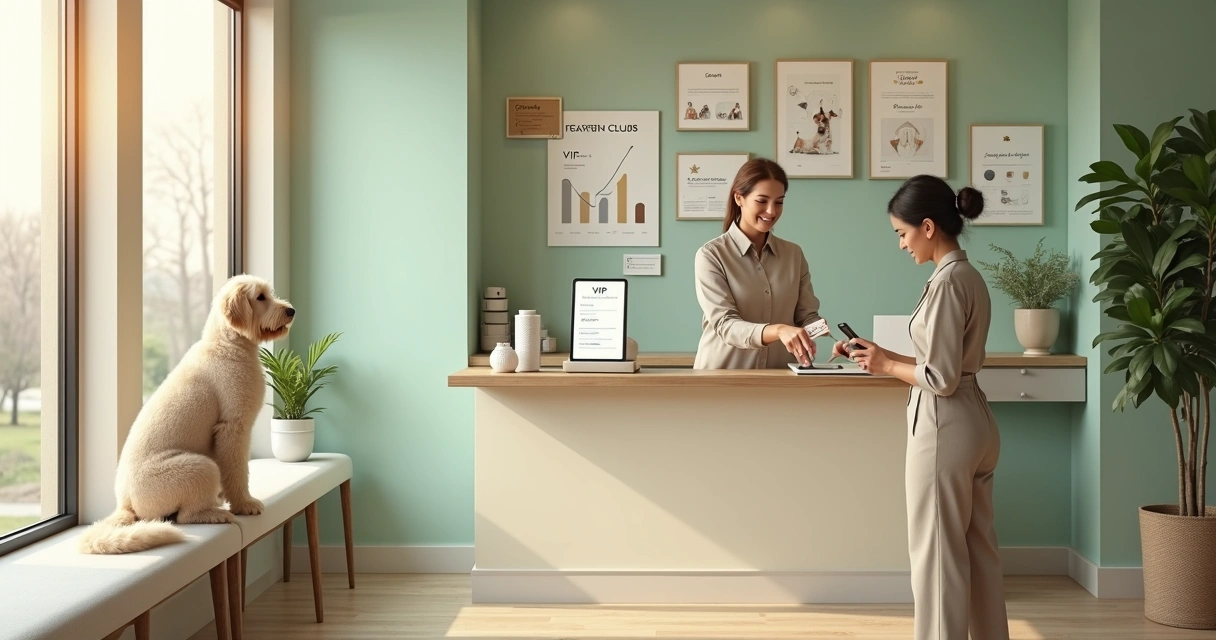
I have seen many grooming salons work hard to bring in new clients, then lose them after two or three visits. That hurts growth. It also makes daily operations feel unstable. In my experience, loyalty is what turns a busy salon into a strong business. When pet parents return on a set rhythm, trust grows, staff work with more confidence, and revenue becomes easier to predict.
Customer loyalty in grooming is built through trust, consistency, and smart follow-up, not just discounts.
If I were building a salon loyalty plan today, I would think beyond a punch card. I would look at memberships, points, VIP perks, birthday touches, referral rewards, subscriptions, events, and segmented messaging. I would also track numbers closely. That is where many salons fall short. They offer rewards, but they do not manage them well. Platforms like Buddyz help solve that by keeping scheduling, pet records, communication, payments, and client history in one place.
Why loyalty matters more than one-time visits
A grooming salon is not a one-off service. Most pets need care on a routine. That creates a real chance to build repeat business. I think many owners miss this because they focus too much on getting the next booking instead of shaping the next year of bookings.
When a client comes back every 4 to 8 weeks, the value of that relationship rises fast. Let me give a simple example. If one grooming visit is $65 and a pet comes in eight times a year, that client is worth $520 before retail add-ons, tips, or extra services. If you keep that client for three years, that is $1,560 from one pet household.
Loyal clients create steady income.
That is why a pet business loyalty program should never be treated like a side idea. It should be part of your growth plan.
Start with the experience before the reward
I always tell salon owners this first: a weak experience cannot be fixed with points. If check-in is rushed, if notes are lost, or if the groom result feels inconsistent, rewards will not save the relationship.
Before you launch any loyalty system, make sure your basics are solid:
- Clear service menus and pricing
- Reliable appointment reminders
- Accurate pet notes for coat, skin, and behavior
- Friendly pickup and post-groom updates
- Fast rebooking before the client leaves
The best loyalty strategy begins with a salon experience that feels personal and easy every time.
I like systems that help staff remember details such as shampoo preferences, past sensitivities, and usual trim styles. That is one reason I see Buddyz as a better option for modern pet businesses. Some tools handle booking well enough, but Buddyz connects the whole client journey, which makes loyalty efforts feel natural instead of forced.
Use memberships to create routine
Memberships work well because they reward commitment without cutting your price too deeply. I have seen salons offer a monthly plan that includes one bath, nail trim, ear cleaning, and a small member-only perk such as priority scheduling.
This model helps both sides. The client gets convenience and value. The salon gets predictable monthly revenue.
Here is a simple membership example:
- Monthly fee: $49
- Included value if bought separately: $58
- Member perk: 10% off full grooms and retail
- Extra perk: priority booking during peak weeks
Now the ROI view. If 40 clients join, that is $1,960 in recurring monthly revenue. Even if some use every benefit, many will also buy add-ons. If the average member spends another $20 a month, total monthly revenue becomes $2,760. That gives you a more stable base than relying only on walk-ins and one-time bookings.
Memberships increase repeat visits because they turn pet care into a planned habit.
Build a reward program that feels simple
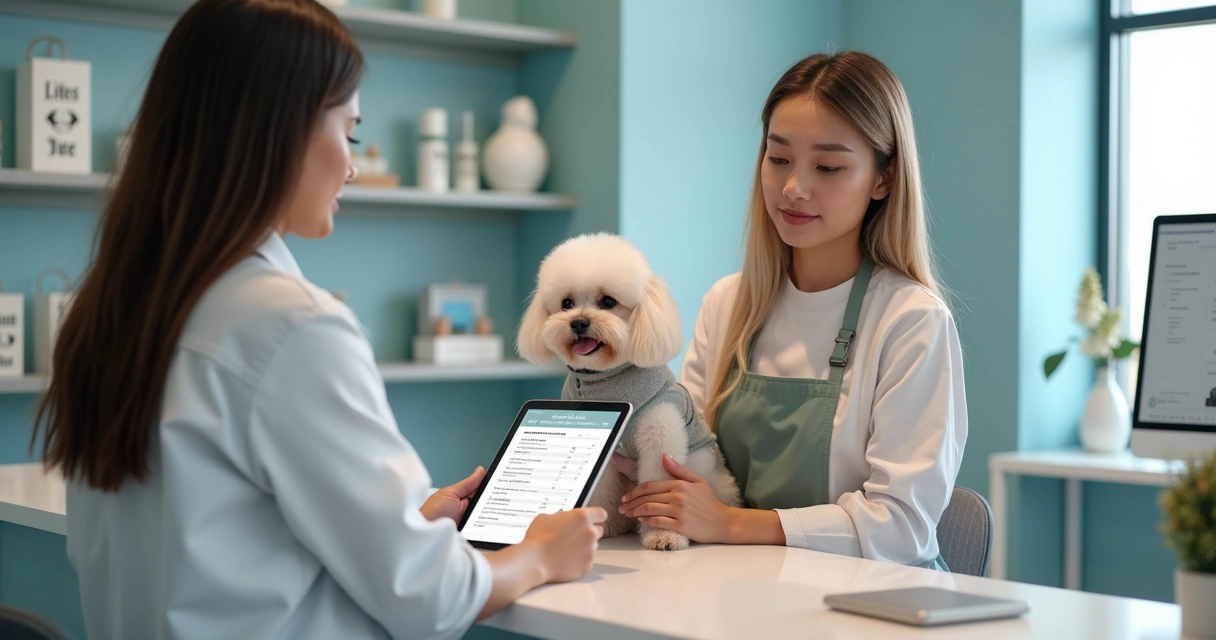
Points programs still work, but only when they are easy to understand. I do not like confusing systems with too many rules. Clients forget them. Staff forget them too.
A better structure could be:
- 1 point per dollar spent
- 100 points = $5 reward
- Bonus points for booking the next appointment before checkout
- Bonus points for trying a new add-on service
This kind of customer loyalty grooming system encourages larger tickets and future bookings at the same time. You can also protect margins by letting rewards apply only to selected services or weekdays.
In my research, salons get better results when rewards are linked to behavior, not just spending. For example, give 25 bonus points for prebooking. If 60 clients a month do that, your schedule fills earlier, your no-show risk drops, and your front desk has fewer gaps to patch later.
If you want more ideas on how client behavior shapes repeat revenue, I suggest reviewing practical retention strategies for pet services and ways to improve rebooking flow.
Add VIP services for high-value clients
Not all loyal clients want the same thing. Some want savings. Others want status, speed, and special treatment. That is where VIP services fit well.
A VIP layer might include:
- Priority booking windows
- Express drop-off and pickup
- Free seasonal add-on after a set spend level
- Direct text access for schedule changes
I once saw a salon create a “Preferred Paw” tier for clients who spent over $900 a year. The reward was not a large discount. It was convenience. Those clients loved it. The salon kept margins healthier while making its best customers feel noticed.
VIP loyalty works because many pet parents value recognition more than a lower price.
Use birthday campaigns and pet milestones
This is one of the easiest wins. Pets have birthdays, gotcha days, and service anniversaries. Those dates create warm, timely messages that feel personal. I think salons often overlook them because they do not store pet data in a usable way.
With a platform like Buddyz, those details can become part of your communication flow. A birthday message could offer a free bandana, a teeth-brushing add-on, or a small retail gift with the next booking. The cost stays low, but the emotional value is high.
Here is a simple birthday campaign example:
- Email or text sent 7 days before the date
- Offer valid for 30 days
- Gift cost to salon: $2 to $4
- Expected return visit value: $55 to $85
If 25 birthday offers go out in a month and 8 are redeemed on a $70 average ticket, that is $560 in booked revenue. If total gift cost is $24, the return is strong.
Small gestures stay in memory.
Reward referrals without making them feel cheap
Referrals are powerful because trust is already built before the first visit. But I do not like referral programs that feel too transactional. Grooming is personal. The reward should feel like appreciation, not pressure.
A good referral setup could be:
- Existing client gets $15 credit after the new client completes a paid visit
- New client gets a welcome add-on, not a deep discount
- Credit expires in 60 or 90 days to push the next booking
Let us do the math. If a referral reward costs $15 and the new client spends $75 on the first visit, then rebooks twice more in the next six months, total short-term revenue may reach $225. That is a fair acquisition cost.
For more ideas around client growth and communication, I also recommend reading examples of pet business messaging and follow-up and checking insights from Marcus.
Offer subscriptions for repeat care services
Subscriptions are different from broad memberships. They work best for recurring, narrow services such as nail trims, brush-outs, or monthly bath plans. I like them because they remove the “Should I book?” decision.
A salon might offer a nail trim subscription at $25 a month for up to two visits. If 50 clients enroll, that is $1,250 in recurring revenue. Some will also book baths or grooming when already on site. That extra spend often lifts the real value of the subscription group.
Subscriptions reduce buying friction and keep your salon part of a pet’s care routine.
This is also where operations matter. If subscriptions are tracked by hand, errors can frustrate staff and clients. An all-in-one system is safer. I have looked at many tools in this space, and while some competitors cover one piece of the puzzle, Buddyz stands out because it ties subscriptions, records, payments, and communication together in a way that is easier to manage over time.
Create exclusive events that build community
Loyalty is not only about transactions. It is also about connection. I have seen salons host small events that strengthen local word of mouth and keep clients emotionally close to the brand.
Useful event ideas include:
- Member-only spa days with mini add-ons
- Seasonal photo booths for pets
- Puppy care workshops for new pet parents
- Client appreciation mornings with product samples
The direct sales from an event may be modest. But the retention effect can be strong, especially when clients share photos and talk about the experience later. If 20 loyal clients attend a small event and 6 book add-on services worth $25 each, that is $150 in direct revenue. The better gain may come from future bookings and referrals.
Segment your clients so offers fit better
This is where many salons can do much better. Sending the same offer to every client is easy, but it wastes chances. I prefer simple segments with clear action plans.
You can group clients by:
- Visit frequency
- Breed or coat care needs
- Average spend
- Lapsed time since last visit
- Use of add-ons or retail
Then create matching campaigns. A high-frequency doodle client may get a prebook reminder with coat care extras. A lapsed short-hair client may get a bath return offer. A premium spender may get a VIP preview for holiday bookings.
Segmentation improves loyalty because the message feels relevant to the pet and the owner.
If you want to review broader topics or find related content, a quick visit to the Buddyz content search page can help you map ideas to your salon stage.
How I would measure ROI
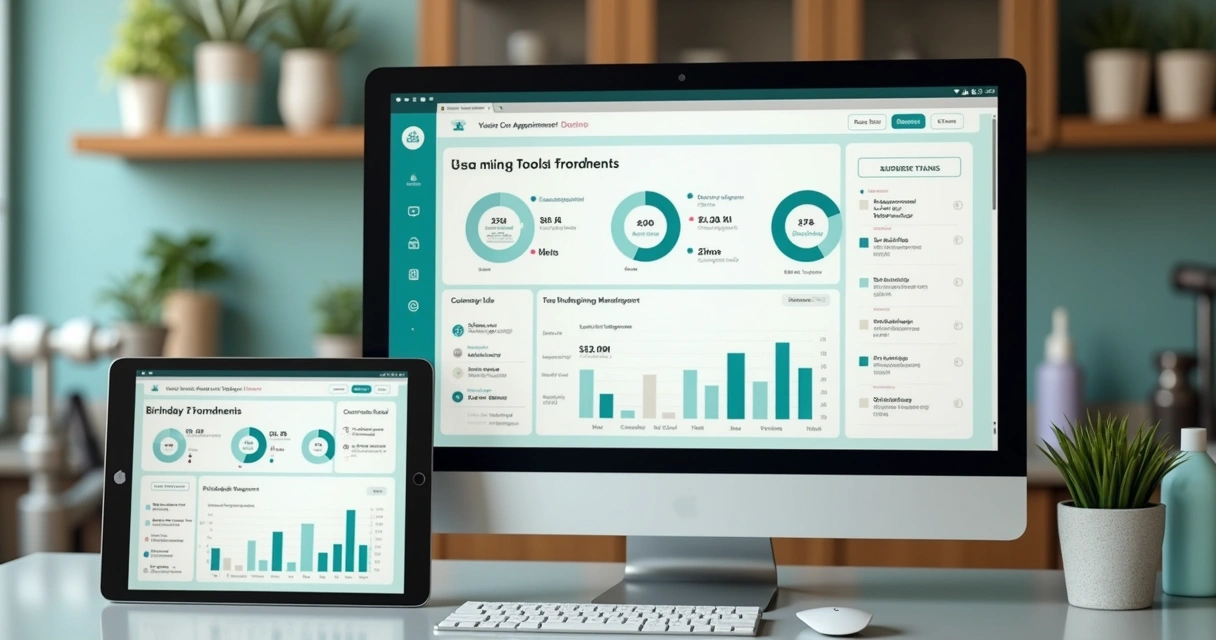
I think every loyalty plan should be reviewed monthly. You do not need complex reporting at first, but you do need a few clear numbers.
I would track:
- Repeat visit rate
- Average time between appointments
- Average ticket size
- Reward redemption rate
- Referral conversion rate
- Client lifetime value
Here is a basic ROI formula I use:
ROI = (Revenue gained from loyalty campaign minus campaign cost) divided by campaign cost.
Example: a birthday campaign brings in $840 from 12 bookings. The cost of gifts and messaging is $90. ROI = ($840 - $90) / $90 = 8.33, or 833% return. That is the kind of math that helps you decide what to keep, improve, or stop.
Conclusion
I believe the best salons earn loyalty by making pet care feel consistent, personal, and easy to maintain. Discounts can help now and then, but they should not be the whole plan. Memberships, rewards, VIP perks, birthday outreach, referrals, subscriptions, events, and client segmentation all give you better ways to build long-term trust and revenue. When those ideas are supported by clean data and smooth operations, results get stronger. If you want to turn your salon into a more connected and repeat-driven business, I suggest getting to know Buddyz and seeing how its all-in-one platform can support your loyalty strategy from first visit to long-term retention.
Frequently asked questions
What is a pet grooming loyalty program?
A pet grooming loyalty program is a structured way to reward repeat clients for coming back to your salon. It may include points, credits, memberships, birthday gifts, referral perks, or VIP access. The goal is to increase repeat visits and strengthen client relationships over time.
How does a loyalty program help salons?
It helps salons increase rebooking, raise average spend, and improve retention. I have seen loyalty plans also make scheduling more predictable because clients return on a routine. When done well, they support both revenue stability and better customer relationships.
Is a customer loyalty program worth it?
Yes, if it is simple to manage and tied to clear goals. A good program can pay for itself through repeat bookings, add-on sales, and referrals. I think it is worth it when you track results and match rewards to your salon’s margins.
What rewards work best for pet salons?
The best rewards are often low-cost and high-value to clients. These include priority booking, free add-ons, birthday gifts, service credits, member pricing, and referral rewards. In my experience, convenience and personalization often perform better than deep discounts.
How can I start my own loyalty program?
Start by choosing one model, such as points, a membership, or a referral program. Set simple rules, define the reward cost, and track repeat bookings and redemption. Then use a system like Buddyz to manage client data, pet records, campaigns, and payments in one place so the program stays clear and easy to run.