Pet Business - A Practical Guide for Owners (Startup Costs)
July 12, 2026

I have seen many people enter the pet industry with heart, skill, and a real love for animals, yet still get surprised by the money side. The dream feels simple at first. Walk dogs. Groom pets. Open a daycare. Book clients and grow. Then the bills start showing up. Licenses, insurance, software, cleaning tools, payroll, rent, repairs, marketing. It adds up fast.
Most pet businesses do not fail because owners lack care for animals. They struggle because startup planning is too loose.
When I research pet business startup costs, I always look at two layers. The first is what you need to open. The second is what you need to survive the first few months. That second part is where many owners get caught off guard. A business can open before it is ready to stay open.
This guide breaks down the real spending areas I would plan for if I were launching a pet service company today. I will also show how costs change for dog walking, pet sitting, grooming, and daycare. Along the way, I will point out where digital tools, including Buddyz, can save money, reduce missed work, and keep operations under control.
Start with the business basics
Before buying leashes or tubs, I would set up the legal and admin side. These are not the most exciting costs, but they shape how safely you can operate.
Common early setup items include:
- Business registration and legal structure filing
- Local permits and animal care licenses
- Employer identification numbers and tax registration
- Business bank account setup
- Basic accounting support or bookkeeping tools
- Contracts, waivers, and intake forms
Depending on where you operate, forming a sole proprietorship may cost little, while an LLC or corporation can cost several hundred dollars or more once filing fees and legal help are added. In my experience, many pet owners choose an LLC for liability reasons, especially if pets are in their care for long periods or if staff are involved.
Your legal structure affects taxes, liability, and how you grow, so this is one startup cost worth planning carefully.
I also think it helps to read guidance on how to identify one-time and ongoing startup costs and build a cash reserve. That advice is very practical for pet businesses because cash flow is often uneven in the first season.
Insurance is not optional
I would never open a pet service business without insurance. One escaped dog, one bite claim, one injury, or one damaged home can turn a small startup into a financial mess.
Policies often include:
- General liability insurance
- Professional liability coverage
- Care, custody, and control coverage for pets
- Workers’ compensation if you hire staff
- Commercial auto insurance if vehicles are used
- Property insurance for salons, retail areas, or daycare sites
For solo pet sitters and dog walkers, annual insurance may be on the lower end. For grooming salons and daycares with property, employees, and more risk, it can be much higher. I have seen owners try to trim this line item first. I think that is a bad cut.
Protect the business early.
Training and credentials that add real value
Not every pet service requires a formal license, but training matters. Clients notice it. So do insurers. So do referral partners like vets.
I would budget for:
- Pet first aid and CPR certification
- Animal behavior or handling courses
- Breed-specific grooming training
- Sanitation and safety programs
- Memberships in professional pet care groups
Training costs are small compared with the trust they can build with new clients.
When I think about branding a new pet business, I do not just think about logos. I think about proof. A certificate in pet first aid, a safe handling course, and membership in a known professional group all help a new company look more established.
If you want more general business reading from the Buddyz content library, I suggest browsing pieces like practical pet business planning ideas and related guides that speak to daily operations.
Supplies and equipment by business type
This is where startup budgets start to separate. A dog walker can begin with a light setup. A grooming salon or daycare cannot.
Pet sitting and dog walking
These models are often the most affordable to launch. If I were starting small and testing demand, this is where I would begin.
Typical costs may include:
- Leashes, backup leashes, harnesses, and waste bags
- Treat pouches, first aid kits, towels, and cleaning supplies
- Branded shirts or ID badges
- Phone plan, GPS support, and scheduling software
- Transportation costs such as fuel and car maintenance
A solo operator may start with a few hundred to a few thousand dollars, depending on branding, insurance, and marketing level. It is one of the lower-cost paths in the pet care market.
Grooming salons
Grooming is different. I have seen this category turn expensive very quickly. Even a modest salon needs a proper buildout and specialty tools.
You may need:
- Grooming tables and tubs
- Dryers, clippers, shears, and blades
- Shampoos, conditioners, and ear and nail care products
- Cages or holding areas
- Laundry machines and water access upgrades
- Flooring, plumbing, ventilation, and reception furniture
Grooming salons usually require one of the highest upfront investments among pet service startups.
A home-based groomer may start leaner, but a retail storefront can move into tens of thousands of dollars fast. I would also leave room for repairs. Grooming tools wear down. Tubs leak. Dryers fail.
 Dog daycare and boarding
Daycare and boarding often need the biggest budget of all. Space is the main reason. Safe flooring, fences, drainage, kennel areas, HVAC, security systems, laundry, storage, and staff rooms all cost money.
I would plan for:
- Lease deposit or property purchase costs
- Indoor and outdoor play area setup
- Kennels, gates, beds, bowls, and storage units
- Security cameras and access control
- Cleaning systems and odor control
- Sound reduction materials
- Extra insurance and staffing for longer hours
Many daycare owners also face zoning issues and occupancy rules. This means some locations that look affordable at first become expensive once upgrades are required.
Staffing is often underestimated
I have watched many owners budget for wages and forget the rest. Hiring costs more than hourly pay.
Staff-related startup spending may include:
- Recruitment and background checks
- Uniforms and onboarding materials
- Payroll setup and payroll taxes
- Training time before revenue starts
- Scheduling tools and internal communication systems
If your business model depends on employees from day one, your startup budget should include at least one to three months of payroll reserve.
That reserve matters because client volume rarely appears at full strength in week one. I prefer conservative planning here. It is far better to have cash sitting there than to cut staff hours too early and hurt service quality.
For founders who want more insights from the people behind this topic, the writing and ideas from Marcus can be a useful next stop.
Digital operations can lower waste
When owners think about startup spending, software can seem easy to postpone. I think that is a mistake. Manual systems cost money in hidden ways. Missed appointments. Double bookings. Lost vaccine records. Slow invoicing. Staff confusion.
Business management software can reduce admin waste and help pet businesses control costs from the first month.
For a pet service company, I would want one system that handles:
- Booking and calendar management
- Client records and pet profiles
- Vaccination and care notes
- Staff scheduling
- Payments and invoicing
- Reports on sales and service demand
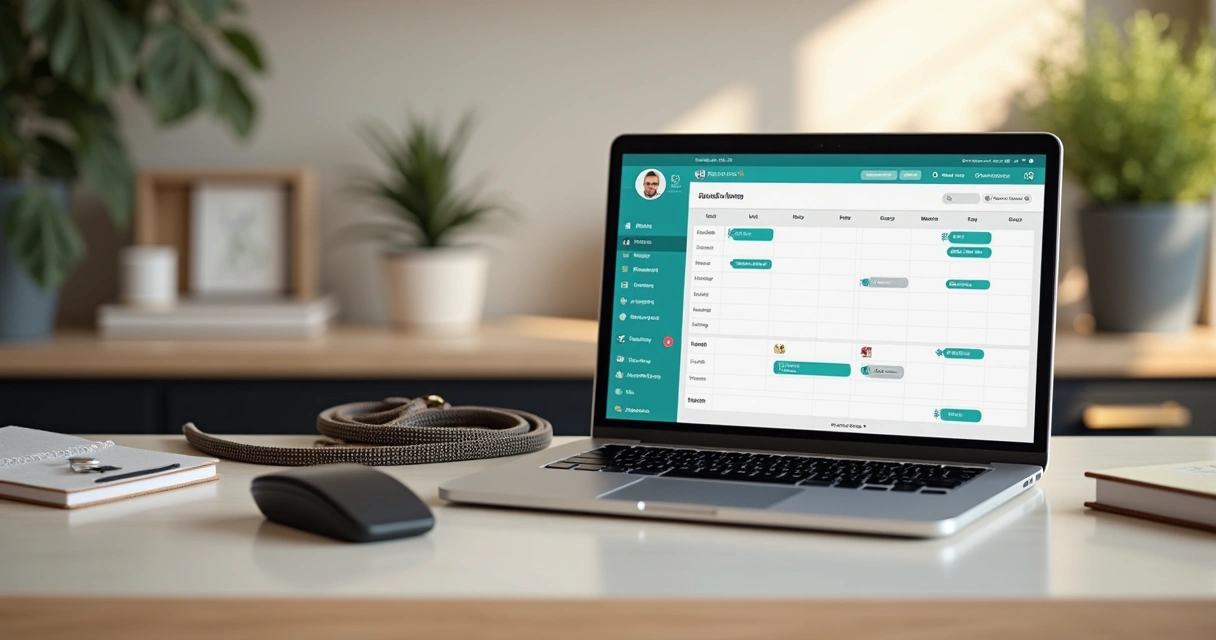
This is where Buddyz stands out for me. Instead of stitching together separate tools for scheduling, pet records, payments, and team management, Buddyz brings those parts into one operating system built for pet businesses. Some other platforms cover only fragments of the workflow. That can create more logins, more manual entry, and more room for errors. A newer business rarely needs more software clutter.
If you are comparing ideas or topics in the pet business space, I also find it useful to review articles like guides on running day-to-day pet operations because startup spending and daily systems are linked.
 Marketing costs that bring in early clients
A pet business can be well set up and still sit quiet if local owners do not know it exists. I think every startup should budget for basic marketing before opening, not after.
My usual early list would include:
- Website design and hosting
- Domain name and branded email
- Logo and simple brand kit
- Business cards, flyers, and signage
- Local ads or social media launch campaigns
- Photo sessions for your service pages
- Review generation and email follow-up tools
A simple, clear website often does more for trust than a large ad budget with no online home base.
I still remember visiting a new pet service site that had no prices, no service area, and no booking path. I left in under a minute. That moment stayed with me. New clients want proof, clarity, and a next step.
Buddyz can help here too because strong client data, repeat reminders, and clean booking flows support marketing after the first lead arrives. Getting attention is one thing. Turning that attention into paying appointments is another.
How costs differ by business model
If I had to summarize startup ranges in plain terms, I would frame them like this:
- Pet sitting and dog walking usually have the lowest entry cost
- Mobile grooming sits in the middle to high range because of vehicle and equipment needs
- Storefront grooming often needs a larger upfront investment
- Daycare and boarding usually require the largest setup budget because of property and staffing demands
That does not mean the cheapest model is always the best. It means the budget should match the service. A lean dog walker can become profitable quickly with low overhead. A daycare may take longer but can build stronger recurring revenue if managed well.
If you want to sort through related topics, the site search at the Buddyz resource center can help you find more material on pricing, systems, and operations.
Funding options and money control
Few owners pay every opening cost out of pocket. In my experience, most use a mix of personal savings and outside funding.
Common options include:
- Personal savings
- Loans from family or friends with clear written terms
- Bank loans or small business loans
- Business lines of credit
- Equipment financing for grooming or facility tools
- Credit cards for short-term purchases, used carefully
I prefer funding that matches the life of the asset. If a large dryer, tub, or kennel system will serve the business for years, financing may make sense. If I am paying recurring operating losses on high-interest credit cards, that is a warning sign.
Money control starts with a simple habit. Track one-time setup costs separately from monthly operating costs. Then estimate revenue conservatively. Not the best month. A realistic month.
 Budgeting tips I would follow
When I build a startup budget, I try to remove optimism from the math. Hope is good for morale. It is not good for forecasting.
Here are the habits I trust most:
- Get quotes from at least three vendors for major purchases
- Separate must-have items from nice-to-have upgrades
- Add a contingency buffer of 10 to 20 percent
- Hold cash for slow opening months
- Start with fewer services if that lowers risk
- Choose software that replaces several tools instead of adding more subscriptions
- Review pricing before launch so margins are not too thin
I would also build a short planning checklist before signing anything:
- Have I priced legal setup, permits, and insurance?
- Do I know my equipment needs by service type?
- Have I included payroll reserve if I need staff?
- Do I have a website, local marketing plan, and branded materials?
- Have I budgeted for software, payment processing, and admin work?
- Do I have training, pet first aid, and safety systems in place?
- Can I cover at least a few months of operating costs if growth starts slowly?
Conclusion
Pet business startup costs can be modest or very high, depending on what you plan to offer. I think the smartest owners are not the ones who spend the least. They are the ones who spend with a purpose. They know what opens the doors, what keeps the business safe, and what helps clients return.
A realistic startup budget should cover setup costs, monthly operating needs, and a cushion for the first uneven months.
If I were launching today, I would keep my plan simple, protect cash, invest in training, build a clear website, and set up strong systems early. That is one reason I see Buddyz as such a strong fit for modern pet businesses. It supports scheduling, records, staff, payments, and growth in one place, which helps owners stay organized from the start instead of fixing chaos later. If you are planning your next step, get to know Buddyz better and see how it can support the business you want to build.
Frequently asked questions
What are common pet business startup expenses?
Common costs include business registration, permits, insurance, training, pet care supplies, service equipment, website setup, marketing materials, software, and payroll reserve if staff are hired. Grooming and daycare businesses also tend to spend more on property, buildout work, and specialty equipment.
How much does it cost to start a pet business?
The answer depends on the model. A solo dog walking or pet sitting business may begin with a relatively low budget, sometimes in the hundreds or low thousands. A grooming salon can require far more because of tools, plumbing, and space. Daycare and boarding sites often need the largest investment because of real estate, staffing, and safety upgrades.
Is it worth it to open a pet store?
It can be worth it if local demand, margins, and product mix are strong, but I think service-based pet businesses often have a clearer path for many new owners. Retail adds inventory risk, storage needs, and tighter margins. A store can still work well when paired with grooming, daycare, or other recurring services.
How can I reduce startup costs?
I would start with a smaller service scope, buy only the gear needed for launch, compare vendor quotes, and avoid paying for too many separate software tools. Home-based or mobile models may also reduce rent costs at the beginning. Using a single platform like Buddyz can also cut admin waste and reduce the need for several disconnected systems.
What are the best financing options available?
Good options may include personal savings, small business loans, equipment financing, a business line of credit, or family funding with written terms. I think the best choice depends on your risk level, expected revenue, and how long the purchased asset will serve the business. For many owners, a mix of savings and low-risk financing works better than relying heavily on expensive short-term debt.