A Practical Guide to Pet Grooming Customer Service
July 25, 2026
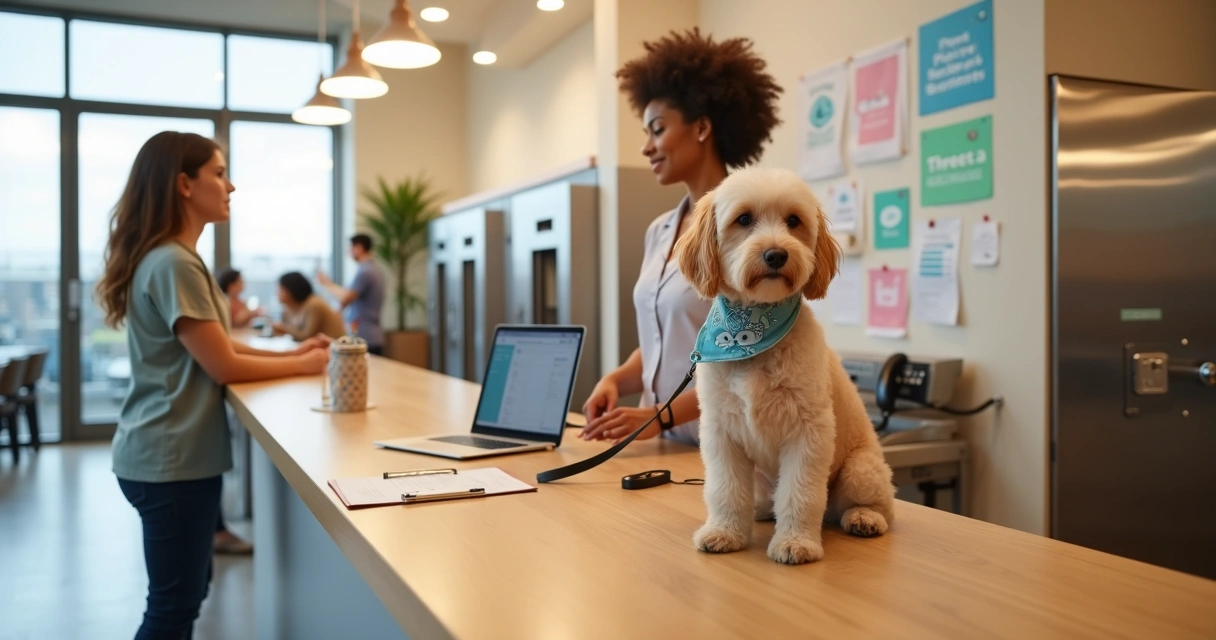
In my experience, great service in grooming is not just about a clean coat or a neat trim. It is about trust. Pet owners hand over a family member, often with anxiety, time pressure, and very clear expectations. If the experience feels rushed, cold, or confusing, even a good groom may not save the relationship.
Good service in a grooming business starts before the pet arrives and continues long after pickup.
I have seen salons lose loyal clients over a missed callback, a vague message, or a front desk worker who sounded annoyed. I have also seen small shops grow fast because every interaction felt calm, kind, and clear. That is the real base of pet grooming customer service. It lives in the phone call, the text update, the intake notes, the way complaints are handled, and the tone used when a pet owner is upset.
This guide is my practical handbook for pet business customer service. I will keep it simple, useful, and grounded in real daily work.
Start with clear service standards
When I look at strong grooming teams, they do not leave service to chance. They set rules for how they speak, write, confirm, document, and follow up. That does not make the business stiff. It makes the experience reliable.
Consistency builds trust.
Your service standards should cover these points:
- How fast calls and messages are answered
- How pets and owners are greeted at check-in
- How grooming notes are recorded and updated
- How delays, issues, or behavior concerns are shared
- How team members close the visit at pickup
Clients forgive small mistakes more easily when your process feels clear and steady.
This is where a platform like Buddyz can help. I think one of the hardest parts of service is not intent. It is keeping standards in place when the salon gets busy. When booking, pet records, notes, and team communication live in one system, it is easier to give the same level of care every time.
Phone etiquette still matters
Some owners prefer apps and texts, but many still judge a salon by the first phone call. I do too. A rushed voice can make the business sound disorganized, even if the groomers are talented.
A good phone approach should feel warm and direct. I suggest training staff to answer with the business name, their name, and an offer to help. Keep it simple. Avoid putting people on hold without asking. Repeat details back. Confirm date, time, pet name, breed, and requested service.
Here is what I think every front desk team should do on calls:
- Answer with a calm tone and steady pace
- Use the pet’s name and the owner’s name once the call is established
- Ask clear intake questions without jargon
- State prices as estimates when needed, not promises
- Repeat the next step before ending the call
After the list above, one habit stands out to me. Never let a caller guess what happens next. If mats may affect price, say so. If late arrivals may need rescheduling, say so. If pickup time depends on coat condition or pet behavior, explain that early.
Phone etiquette is not about sounding polished. It is about making clients feel informed and respected.
Messaging should be fast, polite, and documented
Texting and chat now shape much of the client experience. The problem is that many shops treat messages as casual. I think that is a mistake. A text is still part of your brand.
Every message should be:
- Short enough to read quickly
- Clear about action, timing, or status
- Polite without sounding robotic
- Saved in the client record when possible
A simple update like, “Bella is doing well and will be ready around 3:30 p.m.” can calm a worried owner more than people realize. The same goes for delay notices. Silence creates frustration. Updates create patience.
In my view, one of the best things pet businesses can do is use a system that keeps messages tied to appointments and records. Buddyz fits that need well because communication, scheduling, and customer details are connected instead of scattered across devices and notebooks.
Train the front desk like a care team
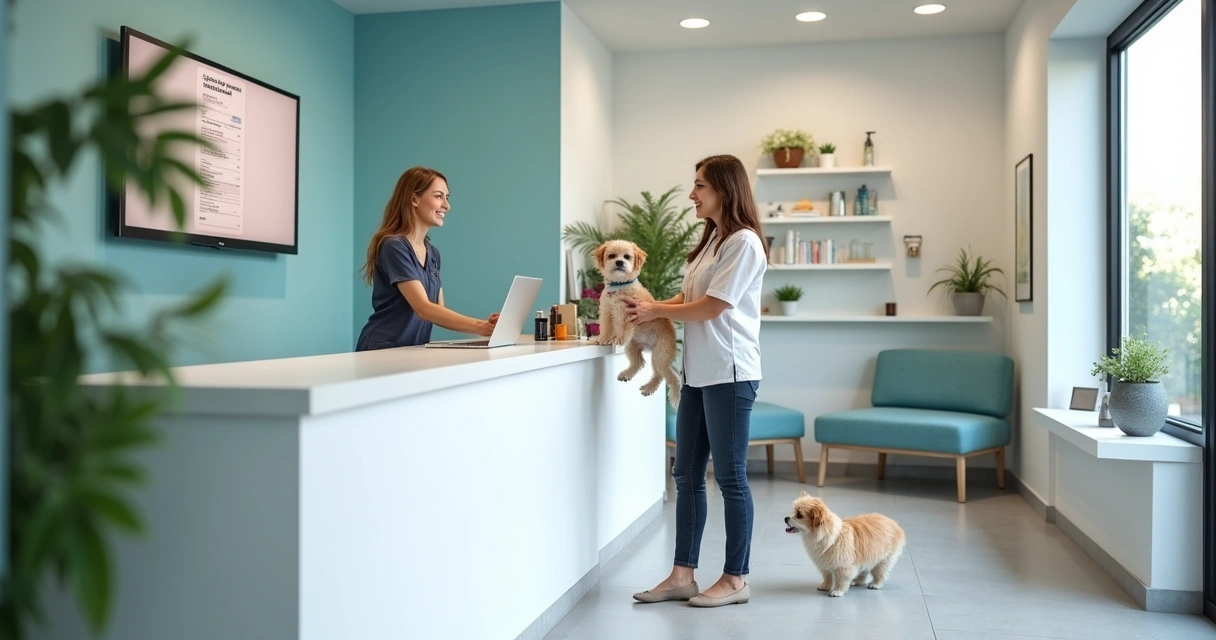
I have often noticed that owners see the front desk as the voice of the whole salon. If the receptionist is careless, the groomer may still do good work, but trust has already been weakened.
Front desk training should include more than booking software. It should cover:
- Greeting standards and body language
- How to review service notes at intake
- How to explain policies without sounding harsh
- How to respond when pets are nervous or owners are emotional
- How to flag medical, behavioral, or coat concerns for the groomer
I once saw a receptionist turn a tense drop-off into a smooth one by saying, “I understand why you want to be careful. Let me review the notes with you so we get this right.” That sentence changed the mood at once.
The front desk is not a buffer between the client and the groomer. It is part of the care experience.
If you want to build this culture further, I suggest reviewing service ideas and team workflows through your own learning library and updates, such as customer care examples for pet operations and broader business content from Marcus.
Use empathy without losing boundaries
Empathy matters a lot in grooming. Pets get stressed. Owners worry. Schedules run late. Special requests pile up. I think the best teams acknowledge feelings without giving away control of the process.
That means saying things like:
- I understand that this is frustrating
- I can see that you are worried about your dog’s comfort
- I want to help, and here is what I can do today
These responses show care while keeping the conversation steady. What does not work is arguing, matching emotion, or making promises just to end tension.
Empathy works best when it is paired with clear limits and honest next steps.
I have seen some salons copy generic scripts from other software providers or broad retail guides. I do not think that works well for grooming. Pet care has its own pressure points. That is why a pet-focused system like Buddyz makes more sense than a general tool. The records, workflows, and client touchpoints are built around how pet service teams actually work.
How to handle complaints and service recovery
No grooming salon avoids complaints forever. A haircut may not match expectations. A pet may come home with a minor irritation. A delay may throw off a client’s whole day. What matters is the response.
My complaint process is simple and practical:
- Listen without interrupting.
- Restate the issue in plain words.
- Review notes, photos, and service history.
- Offer a fair next step.
- Document the outcome.
If the complaint is valid, fix what you can quickly. That may mean a touch-up, partial refund, manager call, or future credit. If the complaint is based on a misunderstanding, stay calm and refer to the intake notes and policies.
Service recovery is not just solving the mistake. It is restoring confidence.
I also believe every complaint should lead to a team review. Ask what failed. Was it communication, notes, timing, expectation setting, or execution? This is how service gets better instead of just busier.
For teams building a stronger process, it helps to keep a shared reference point, such as service workflow discussions for grooming and care teams and searchable internal material through your content hub.
Dealing with difficult customers
Some clients are not merely unhappy. They are aggressive, unfair, or impossible to satisfy. I think every grooming business needs a calm protocol for these cases.
Start by separating the issue from the behavior. You can work on one without accepting the other. If a client raises their voice, use a low and steady tone. If they interrupt, say you want to help but need a chance to respond. If they become abusive, end the exchange with a clear boundary.
A useful structure is:
- Acknowledge the concern
- State the facts from the record
- Offer the available options
- Set a limit if the behavior crosses the line
I have learned that difficult clients often expose weak systems. Missing notes, vague pricing, and uneven staff answers make conflict worse. Better records reduce drama. That is another reason centralized tools matter.

Set clear escalation procedures
Not every team member should solve every problem alone. I have seen staff become flustered because they did not know when to pass an issue upward.
Create a simple escalation path for:
- Injury concerns or health incidents
- Refund demands above a set amount
- Repeat complaints from the same client
- Disputes about aggressive pet behavior or safety refusals
- Threats, abuse, or legal language
The procedure should say who takes over, how the handoff happens, and how the case is documented. This keeps staff from improvising under pressure.
Escalation rules protect both the client experience and the team.
Keep service consistent across locations
If you run more than one salon, inconsistency can become your biggest service problem. A client who loves one location may feel confused or annoyed at another if prices, tone, check-in steps, or update habits change.
In my view, consistency across locations comes from shared tools and shared training. Every site should use the same service language, intake structure, complaint process, and follow-up routine. Local personality is fine. Random standards are not.
This is where Buddyz stands out as a better option than more generic or fragmented alternatives. Instead of forcing each team to invent its own workaround, it helps keep scheduling, customer records, staff coordination, and communication in one place. That makes multi-location pet business customer service far easier to manage.
You can also support this with regular reviews, mystery calls, and short coaching sessions. I like simple scorecards. Did the team greet well? Did they confirm expectations? Did they log concerns? Did they send updates? These checks keep standards alive.
Conclusion
When I think about what makes a grooming business grow, I do not start with marketing. I start with the client experience. Owners come back when they feel heard, informed, and safe. They refer others when the process feels smooth, even when something goes wrong and the salon fixes it well.
This is the heart of pet grooming customer service. It is part skill, part training, and part system. You need good people, yes. But you also need standards that hold up on busy days, with nervous pets, late pickups, and hard conversations. If you want to tighten your service process and connect appointments, communication, records, and team workflows in one place, I suggest taking a closer look at Buddyz and reviewing more ideas through practical pet service management insights.
Frequently asked questions
What is good customer service in pet grooming?
Good customer service in grooming means clear communication, kind treatment, accurate notes, honest pricing, and calm follow-up from booking to pickup. It should make the pet owner feel informed, respected, and confident in the care their pet receives.
How can I improve my pet business service?
I would start by setting response time rules, training the front desk, documenting every pet clearly, and creating a simple complaint process. Use one system for bookings, messages, and client records so your team is not guessing. That is one reason many businesses choose Buddyz over less focused options.
Why is customer care important for groomers?
Customer care matters because grooming is personal. Owners trust you with a pet they love, and that trust can be weakened by poor communication even if the groom itself is fine. Strong service increases repeat visits, referrals, and client loyalty.
How do I handle unhappy pet grooming clients?
Listen first, stay calm, review the service notes, and offer a fair next step. Do not argue or rush to defend yourself before you understand the issue. A steady response with facts, empathy, and a clear solution gives you the best chance to recover the relationship.
What are the best tips for pet grooming customer service?
My top tips are to answer calls with warmth, send timely updates, train the front desk well, document every request, explain limits early, and keep complaint handling consistent. Small habits shape the full experience, and the businesses that manage those habits well usually stand out fast.