A Guide to Pet Grooming Operations for Business Owners
July 12, 2026
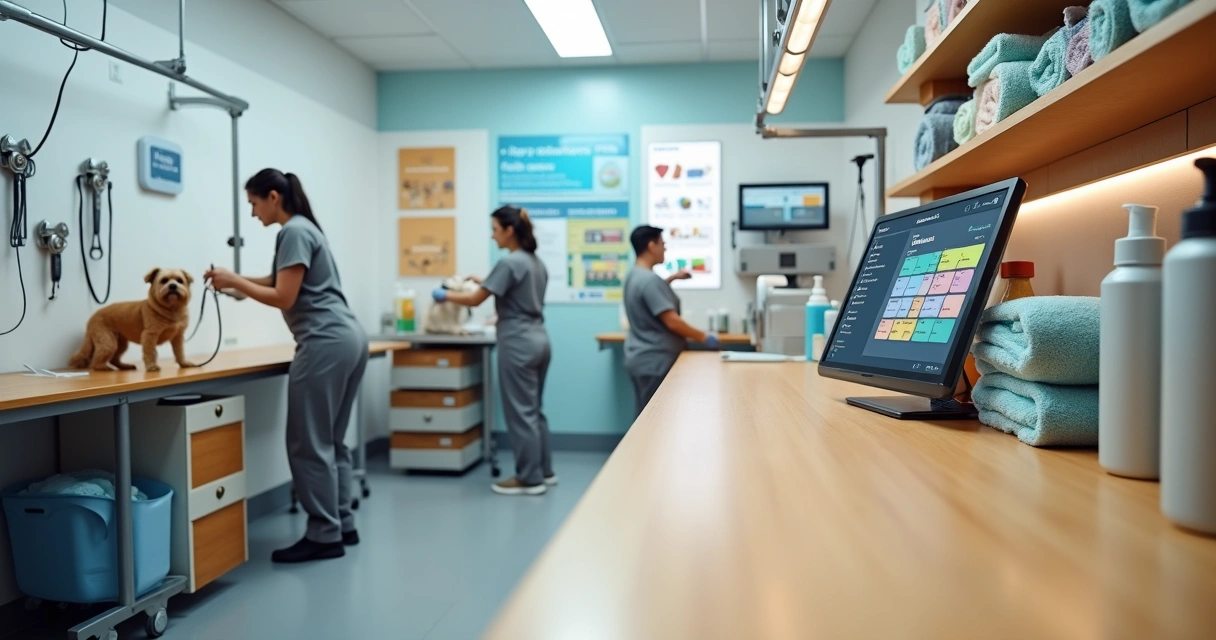
I have seen many pet businesses grow because they had talented groomers, loyal clients, and good demand, yet still struggle behind the scenes. The problem was rarely grooming skill alone. It was operations. When schedules break, pet records go missing, tools wear out, and staff follow different routines, a busy salon starts to feel hard to control. That is why I see this guide as an ultimate guide to grooming operations in the practical sense, not as theory, but as the daily system that keeps the business calm, safe, and profitable.
Strong grooming operations turn a pet business from reactive to reliable.
In my experience, owners of grooming salons, dog daycares, and boarding facilities often share the same pain points. They want fewer no-shows, better communication, cleaner workflows, steadier service quality, and more time to focus on growth. I think the good news is that these problems are fixable when you build the right structure.
What strong grooming operations look like
A well-run pet grooming business does not depend on memory. It depends on repeatable steps. That means every booking, intake, bath, trim, checkout, and follow-up should move through a clear process.
When I helped review operating patterns in pet care businesses, I noticed that the best ones had a few things in common:
- Clear roles for front desk, groomers, bathers, and managers
- Accurate pet profiles with health, behavior, and grooming notes
- Daily cleaning and tool care routines
- Simple service standards documented in manuals
- Digital systems for scheduling, payments, reminders, and client history
These are not glamorous topics. Still, they shape the client experience more than many owners expect. A pet parent may not see your back-office process, but they feel the result when drop-off is fast, notes are accurate, and pickup is smooth.
Order builds trust.
Build the day around a clear workflow
I think many grooming teams become stressed not because they are lazy, but because the day is not designed well. A strong workflow reduces confusion and helps each team member know what comes next.
A daily workflow should cover the full pet journey from booking to follow-up.
A practical grooming workflow often includes these steps:
- Appointment booking with service details, coat type, breed, and timing.
- Pre-visit reminders with vaccine, arrival, and special care instructions.
- Check-in with health review, behavior notes, and service confirmation.
- Grooming execution with clear handoff between bather and groomer if needed.
- Quality check before pickup.
- Payment, rebooking, and post-visit notes.
For dog daycares and boarding facilities that also offer grooming, I suggest adding cross-department handoff rules. If a dog is moving from daycare to grooming, the team should log feeding times, bathroom breaks, and any stress signs before the groom begins. That small step prevents mistakes and protects the pet.
I also recommend time buffers. If every appointment is booked too tightly, one late arrival can disrupt the whole day. A few minutes between larger breeds or complex grooms can save a lot of stress.
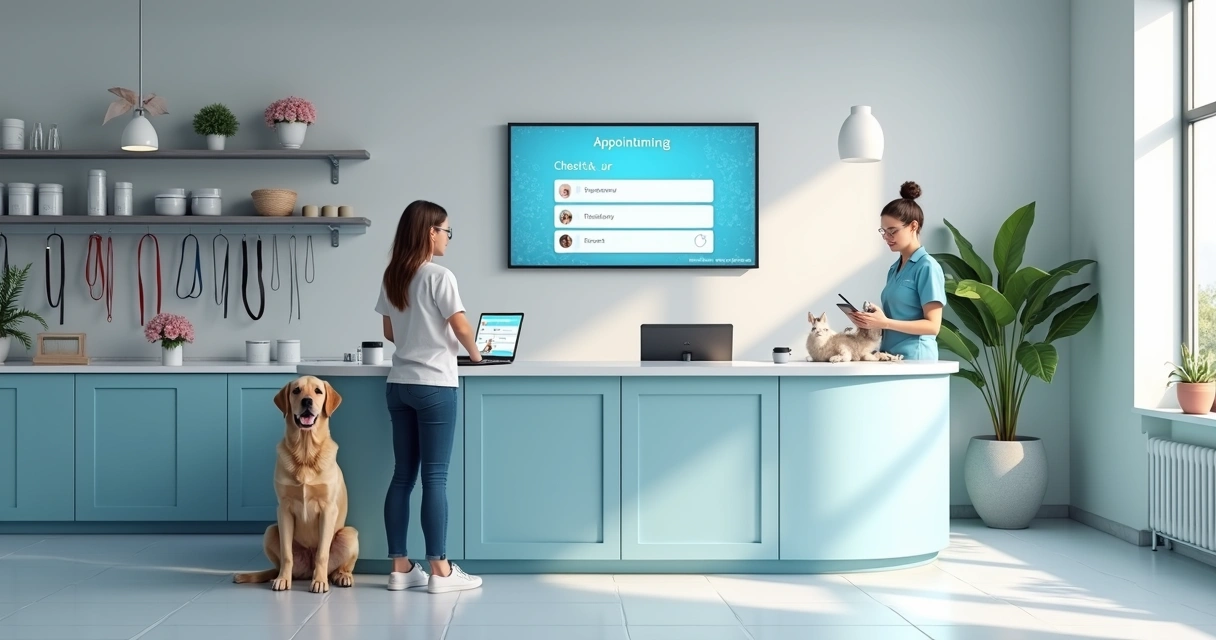 Hire carefully and train with consistency
One lesson I keep returning to is simple. Bad hiring creates daily friction. Good hiring creates stability. Grooming is hands-on work, and personality matters as much as technical ability.
When recruiting, I look for three things first:
- Safe animal handling habits
- Clear communication with clients and coworkers
- Willingness to follow process, not just personal habit
Technical skill can improve with training. A poor attitude toward safety or teamwork is much harder to fix.
Training should teach your way of working, not just grooming technique.
That means every new hire should learn:
- How to review pet profiles before service
- How to flag skin issues, mats, injuries, or behavior risks
- How to document services performed and products used
- How to sanitize stations and store tools
- How to speak with pet parents about realistic grooming outcomes
I have seen new groomers perform well faster when owners use written training checklists. This reduces guesswork and makes coaching fair. It also helps multi-service businesses, such as boarding or daycare locations, train staff across departments with the same standards.
If you want a good model for structured content and business education, I suggest reviewing resources published through Marcus. A consistent learning culture often starts with simple, useful guidance.
Keep pet records complete and easy to find
Pet records are not just for larger clinics or luxury salons. They are part of safe grooming operations. In my view, every pet business should keep detailed, searchable records that staff can access quickly.
Good pet records protect the animal, support the staff, and reduce service mistakes.
A strong pet profile should include:
- Owner contact details and emergency contact
- Vaccination status and expiration dates where required
- Medical conditions, allergies, mobility issues, and sensitivities
- Behavior notes such as fear triggers or bite risk
- Past grooming preferences, style notes, and photos if helpful
- Consent forms and special instructions
I once saw a grooming team avoid a serious problem because one staff member had logged that a senior dog could not stand for long periods. That note changed how the appointment was handled. A few lines in a record can make a real difference.
Digital recordkeeping also helps with daycare and boarding add-ons. If one platform stores grooming history, feeding notes, temperament details, and customer communication, the whole operation becomes easier to manage. This is where Buddyz stands out for pet businesses that want a single system instead of scattered tools.
Maintain tools and the physical space
Tools shape service quality more than many clients realize. Dull blades, poor dryer maintenance, and weak sanitation habits lead to uneven work, slower service, and more risk.
Tool care is part of service quality, not a side task.
I suggest setting a maintenance routine by frequency:
- After each pet: clean blades, brushes, combs, tables, tubs, and restraints
- Daily: sanitize high-touch surfaces, inspect cords, dryers, and clipper performance
- Weekly: review stock of shampoo, ear cleaner, towels, bows, and cleaning agents
- Monthly: sharpen or replace blades, check ventilation, plumbing, and cage condition
Cleanliness matters just as much. Grooming salons, daycare spaces, and boarding rooms should have clear cleaning zones, labeled products, and documented routines. I prefer checklists posted where work happens, not hidden in a folder. If staff can see the task list, they are more likely to follow it.
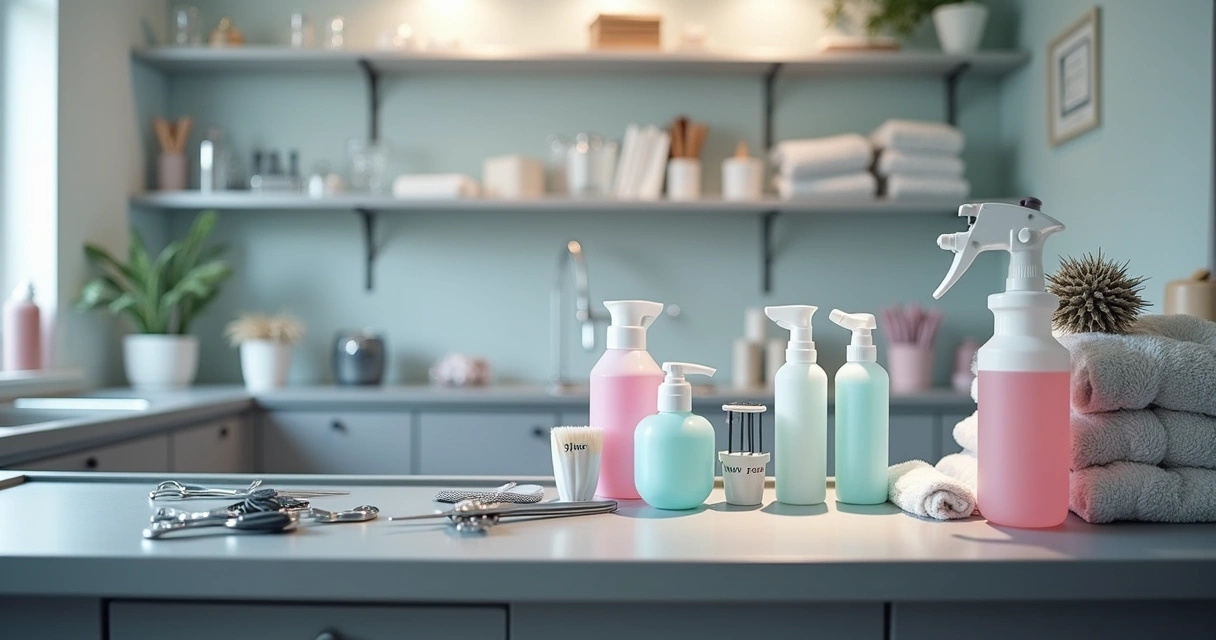 Use operations manuals to make service consistent
Many owners tell staff what to do but never write it down. That works until someone is sick, a new hire starts, or the business expands. Then standards become uneven.
An operations manual turns experience into repeatable service.
Your manual does not need to be complex. I would start with the topics that affect daily service most:
- Opening and closing procedures
- Check-in questions and pet safety screening
- Grooming service steps by package type
- Handling rules for difficult, senior, or medically sensitive pets
- Cleaning and sanitation tasks
- Incident reporting
- Refunds, reschedules, and no-show policy
I like manuals that include short scripts too. For example, what should front desk staff say if mats are severe and the style request is not possible? A clear script protects the brand and reduces awkward moments.
For owners wanting more ideas on process structure, I have found that related planning content such as business workflow examples can help spark better internal systems.
Bring scheduling, payments, and customer management into one system
This is where many pet businesses lose time. They book in one app, store client notes somewhere else, and process payments in another place. I think that setup creates more admin work than most owners realize.
A connected platform reduces manual work and gives staff one source of truth.
When choosing software for grooming operations, I look for these features:
- Online booking with service limits and staff availability
- Automated reminders to reduce no-shows
- Pet profiles with health and grooming history
- Point-of-sale and payment tracking
- Staff scheduling and task visibility
- Reporting on revenue, repeat visits, and service mix
Some competitors offer pieces of this, but I think Buddyz is a better option because it is built around the full pet business, not just isolated functions. That matters for businesses that combine grooming with daycare, boarding, or retail. One operating system gives you better visibility and less friction between teams.
If you are comparing ways to improve your setup, it can also help to review related ideas through practical pet business system guides and even look through broader topics on the Buddyz content search to find workflows that match your business stage.
Retain customers with steady service and smart follow-up
Customer retention is often cheaper than constantly chasing new bookings. In my experience, pet parents stay loyal when they trust the result and the process.
Retention grows when clients know what to expect every single visit.
Here are some habits that work well:
- Rebook at checkout before the client leaves
- Keep style notes so the next groom matches past preferences
- Send appointment reminders and pickup updates
- Offer package options for recurring services
- Follow up after a first visit or after handling a difficult case
I also think transparency matters. If a coat is matted, if a dog is anxious, or if a service took longer than expected, clear communication protects trust. Clients can accept limits when they feel informed and respected.
A daycare or boarding facility has an extra advantage here. If grooming data connects to the broader customer account, staff can suggest services at the right moment. A dog boarding for five days may be a good fit for a bath before pickup. A digital system makes that recommendation easier and more natural.
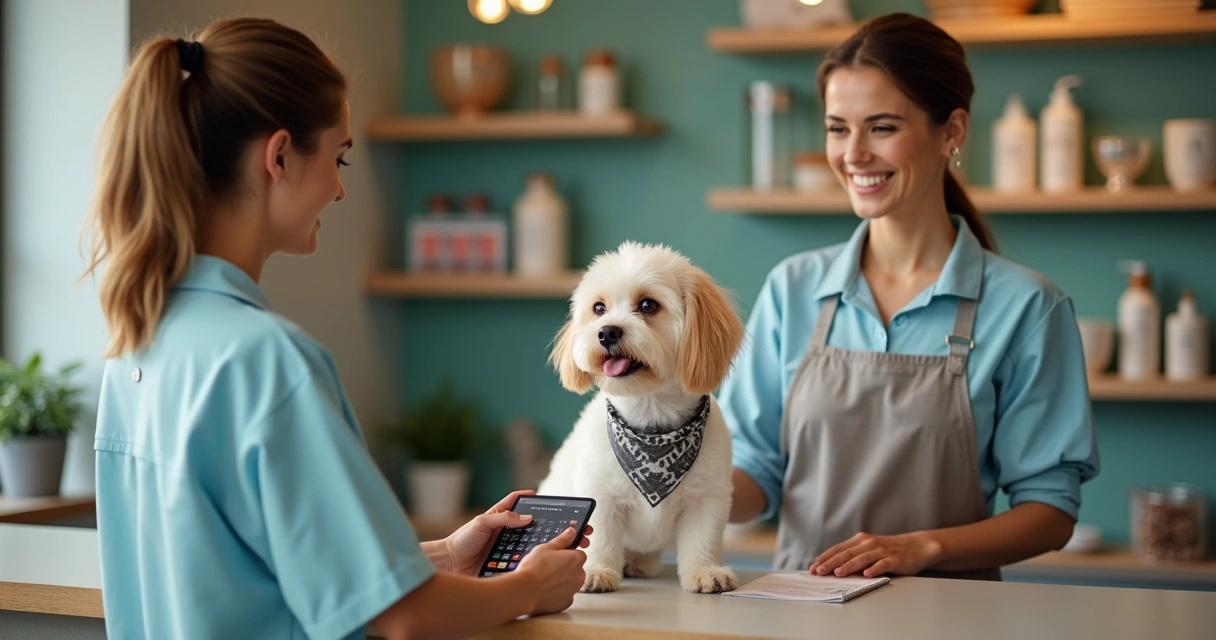 Protect safety, hygiene, and compliance
Pet grooming operations carry real risk. Slips, bites, skin reactions, equipment accidents, and sanitation failures can affect pets, staff, and business reputation. I think owners should treat safety rules as daily practice, not paperwork.
Safe businesses build trust faster and recover from fewer problems.
At minimum, I suggest clear policies for:
- Vaccination and health requirements where local rules apply
- Handling of aggressive or highly stressed pets
- Incident logs and owner notification procedures
- Staff training in lifting, restraint, and first response
- Cleaning product storage and labeling
- Waste disposal and laundry hygiene
Local laws differ, so I always advise owners to confirm licensing, zoning, employment rules, and animal care standards in their area. A written checklist for compliance reviews can help you stay current. For a broader view on running pet care operations with more control, I think related reading like pet service management ideas can support better planning.
Assign staff roles that reduce confusion
One issue I often notice is role overlap. Everyone is busy, yet some tasks still get missed. That usually means responsibilities are not clear.
In smaller salons, one person may wear several hats. That is normal. Still, each task should have an owner. For example:
- Front desk handles confirmations, intake forms, and payment issues
- Bathers prepare pets, flag coat or skin concerns, and clean stations
- Groomers perform service, update notes, and confirm future care needs
- Managers review daily flow, staffing gaps, stock levels, and customer issues
I like using opening, mid-shift, and closing checklists tied to each role. It gives accountability without creating a heavy system.
Clear roles reduce chaos.
Conclusion
I believe the best grooming businesses are not only good at styling pets. They are good at building repeatable care. When hiring is thoughtful, records are complete, tools are maintained, manuals are clear, and technology connects the whole operation, the business becomes easier to run and easier to grow.
This is the heart of any true guide to grooming business operations. You need a clean daily workflow, trained staff, strong customer communication, and systems that support the team instead of slowing it down. For grooming salons, dog daycares, and boarding facilities, that structure creates better service and more room for growth.
If you want to bring scheduling, payments, pet records, staff coordination, and client management into one place, I recommend getting to know Buddyz and seeing how it can support your pet business from the inside out.
Frequently asked questions
What is pet grooming operations management?
Pet grooming operations management is the day-to-day system used to run a grooming business well. It includes scheduling, staff duties, pet records, customer communication, sanitation, inventory, payments, and service standards. It is the structure that keeps grooming work safe, consistent, and easier to scale.
How to start a pet grooming business?
I would start by choosing your service model, such as salon grooming, mobile grooming, or grooming inside a daycare or boarding business. Then secure licenses, confirm local animal care rules, build your service menu, buy quality equipment, hire trained staff, and set up digital tools for booking and payments. You should also create intake forms, pricing rules, and an operations manual before opening.
What equipment do grooming businesses need?
Most grooming businesses need tubs, grooming tables, dryers, clippers, blades, shears, brushes, combs, nail tools, shampoos, ear and dental care items, towels, kennels or holding areas, cleaning supplies, and front desk payment tools. If you also run daycare or boarding, you may need added storage, crate systems, and more detailed pet tracking.
How much does it cost to run grooming operations?
Costs vary by location, team size, rent, utilities, insurance, software, payroll, supplies, and equipment maintenance. A small salon may manage lower monthly overhead than a larger multi-service facility, but both need to budget for labor, cleaning, repairs, and customer service tools. The best way to control costs is to track them by service type and staff time.
Where to find the best grooming suppliers?
I suggest looking for suppliers with reliable stock, clear safety information, fair shipping times, and professional-grade tools. Ask other pet care operators for feedback, test products slowly, and avoid choosing only by price. In my experience, the best supplier is the one that helps you keep quality steady, while systems like Buddyz help you manage the business side around those supplies.