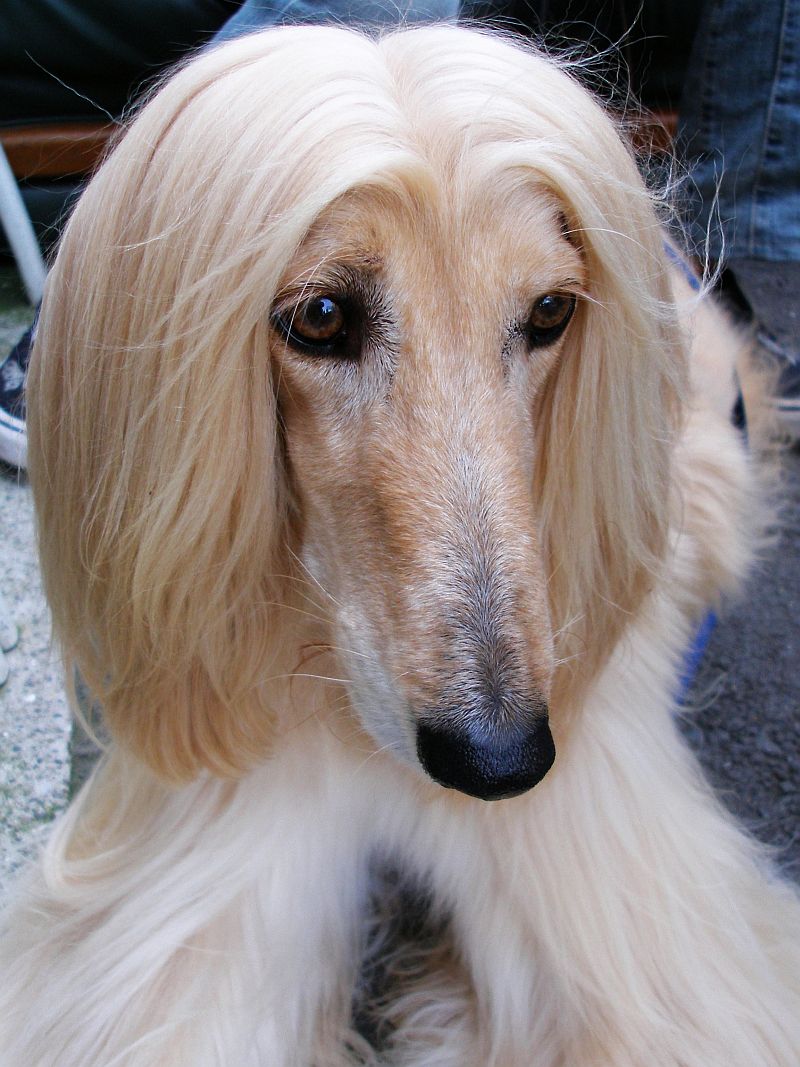
Afghan Hound
Also known as Afghan Hound, Afghan
The Afghan Hound is an elegant sighthound whose long silky coat demands line brushing, saddle carding, and professional finishing — or a practical pet clip — on a flexible 1–12 week schedule.
Overview
The Afghan Hound is an elegant, athletic sighthound known for a long flowing coat and independent temperament. That coat looks dramatic, but it is also functional — it needs consistent line brushing, thoughtful bathing, and professional finishing to stay comfortable. Many pet owners choose minor trimming or a manageable pet clipper cut instead of maintaining full show length every day. Groomers should clarify expectations early: this breed rewards patience, section brushing, saddle carding, and dry-coat scissoring more than quick clipper shortcuts.
History & Origins
Ancient sighthound originating in the mountainous regions of Afghanistan, where they were prized for hunting large prey like gazelles and leopards. Valued for their speed, stamina, and problem-solving intelligence over rugged terrain. Introduced to the Western world by British officers in the early 20th century.
Characteristics & Traits
Breed Traits
Physical Traits
Drooling level
Shedding level
Coat grooming frequency
Social & Family
Playfulness level
Adaptability level
Openness to strangers
Watchdog protective nature
Good with other dogs
Good with young children
Affectionate with family
Personality
Energy level
Barking level
Trainability level
Mental stimulation needs
Exercise & Training
Aim for around 60–90 minutes of total activity per day. Afghan Hounds are sprinters, not marathon runners — they do best with steady daily walks plus a few chances per week to run flat-out in a securely fenced area. Never let one off leash in an open space: their chase instinct overrides recall.
Daily Walks by Living Situation
Apartment or Home Without a Backyard
2 walks / day
~40 min each
Two long, brisk leash walks a day keep an apartment Afghan content, but plan regular trips to a fully fenced field or dog run so they can gallop — walking alone does not satisfy a sighthound.
Home With a Backyard
2 walks / day
~30 min each
A yard lets an Afghan self-exercise in short sprints, but fencing must be tall (at least 6 feet) and secure — they can clear surprising heights when something catches their eye.
Daycare or Park Time?
Afghan Hounds can enjoy daycare with calm, respectful playmates, but their strong prey drive means play with much smaller dogs should be avoided. A facility with size-separated groups and staff who understand sighthounds is the right fit. One or two days per week is plenty for this independent breed.
For Pet Parents
The Afghan Hound is an elegant sighthound whose long silky coat demands line brushing, saddle carding, and professional finishing — or a practical pet clip — on a flexible 1–12 week schedule.
Grooming Commitment
Beautiful coat requires a plan — brushing, professional care, or a pet clip.
Full Afghan coat is a lifestyle choice — regular brushing or an agreed pet clip keeps the dog comfortable.
- Long coat needs consistent brushing or a planned pet clip.
- Professional grooming may be needed as often as weekly for full coat, or longer for clipped pets.
- Rounded scissored feet and flag tail maintenance are signature finishing details.
- All coat colors share the same maintenance requirements.
At-Home Basics
- Difficulty
- high
- Shedding
- Moderate
- Brushing
- Several times per week to daily
- Pro Grooming?
- Yes
- Pro Frequency
- Every 1–12 weeks depending on coat length and home brushing
Caring for Your Afghan Hound at Home
Brushing
Line brush with pat-and-pull technique in sections.
Check behind ears and under legs
Check behind ears and under legs for starting mats.
Feet & toe checks
Keep feet and pasterns combed to reduce knot pickup.
Professional grooming schedule
Schedule professional care before matting becomes severe.
Ownership Profile
- First-time Owner
- Challenging
- Alone Time Tolerance
- Moderate
- Handling Sensitivity
- Moderate to high
- Apartment Friendly
- No
- City Friendly
- Yes
Best Suited For
- Owners committed to coat maintenance or accepting a pet clip
- Homes with secure outdoor space
- People who appreciate independent hound temperament
- Active households that can provide regular exercise
May Not Suit
- Owners wanting a low-maintenance coat
- Homes with very young children without supervision plans
- Owners expecting highly obedient, always eager-to-please behavior
Mistakes to Avoid
- Wetting severe mats without a detangle or length-reduction plan.
- Removing too much coat without owner approval on pet clipper styles.
- Skipping saddle carding when undercoat is puffing the jacket.
When to Call in a Professional
Leave full grooming — bathing, complete drying, deshedding, and any trimming — to a professional groomer every 1–12 weeks depending on coat length and home brushing. It keeps the coat healthy and comfortable between visits.
History
Afghan Hounds trace to Afghanistan and nearby regions, where they hunted by sight across harsh terrain. The long coat helped protect the dog from cold and brush while running at speed. The breed became known internationally for its striking appearance and independent hound personality. Modern grooming preserves coat health and movement — whether owners maintain full coat or choose practical pet lengths.
Temperament
Dignified, independent, athletic, and sometimes playful with familiar people.
Afghan Hound Coat
The Afghan Hound carries a long, silky, flowing coat with feathering on the ears, legs, and tail.
All coat colors are acceptable in the breed, though maintenance needs stay high regardless of color.
The saddle area often needs carding to stay flat, while the tail is maintained as a full flag.
Pet owners may keep natural length with minor trimming or choose a clipper pet cut for easier daily care.
- Type
- Silky
- Family
- Long silky coat
- Structure
- Single long
- Density
- Moderate to high
- Undercoat
- No
- Shedding
- Moderate
- Seasonal Change
- Minimal
- Matting Risk
- High
- Drying Difficulty
- High
- Water Retention
- Moderate to high
- Growth Pattern
- Continuous
- Breakage Risk
- Moderate
Common Problem Areas
Groomer's Guide
Technical reference for professional groomers — specifications and standard operating procedures intended for certified groomers.
Goal: Keep the long flowing coat clean, detangled, and manageable
Tools Required
- Pin brush
- Line brush
- Greyhound comb
- Slicker brush for small tangles
- Carding tool for saddle area
- Professional clippers and guard combs for pet clips
- #10 blade for pads
- Straight and curved shears
- High-velocity dryer
- Stand or finishing dryer
- Nail clippers or grinder
- Ear cleaning solution
Pre-Bath Prep
- Line brush the dry coat in sections using pat-and-pull method.
- Card the saddle area to lift soft undercoat before the bath when needed.
- Trim or grind nails.
- Clean ears externally when appropriate.
- Trim pads with a #10 blade before foot scissoring.
Before Grooming
- Coat length, density, and matting level
- Saddle area undercoat and flatness
- Tail flag condition and tangles
- Ear fringe and leg feathering
- Skin condition beneath long coat
- Owner goal: natural length, minor trim, or pet clipper cut
Consultation Notes
- Confirm whether the owner wants show-style finish or a manageable pet length.
- Explain that long coat maintenance continues at home between appointments.
- Check mat severity before promising to save full length.
- Discuss bath intervals from weekly freshen-ups to longer maintenance schedules.
- Refer skin irritation or hair loss to a veterinarian.
Preparation Objectives
- Remove tangles and surface debris before bathing
- Protect coat length by working in sections
- Confirm trim style with the owner
Recommended Actions
- Line brush the dry coat in sections using pat-and-pull method.
- Card the saddle area to lift soft undercoat before the bath when needed.
- Trim or grind nails.
- Clean ears externally when appropriate.
- Trim pads with a #10 blade before foot scissoring.
Preparation Warnings
- Do not bathe a heavily matted Afghan without a realistic plan — wet mats tighten.
- Do not promise show finish on severely neglected coat in one visit.
- Refer persistent skin issues to a veterinarian.
Objectives
- Clean long coat without creating new tangles
- Support coat shine and manageability
- Prepare coat for thorough drying and finishing
Process
- Brush or line brush dry coat when possible before wetting.
- Fully saturate long coat — dryness at the roots causes matting.
- Shampoo in sections, supporting the coat so it does not knot.
- Rinse extremely thoroughly.
- Apply conditioner or coat treatment suited to long silky coat when appropriate.
Product Guidance
- Use products that improve slip for combing without weighing coat down excessively.
- Insufficient rinsing leaves residue that attracts dirt in long coat.
Breed Specifics
- Bath frequency varies widely — from weekly coat care to longer intervals up to about twelve weeks for some pet schedules.
- Long ear and leg coat needs gentle handling to avoid knotting during washing.
- Conditioner can improve comb-through when coat is dry or porous.
Drying Objectives
- Dry coat completely to the skin
- Straighten and separate long coat for finishing
- Prevent damp matting at the saddle and tail
Drying Methods
- High-velocity drying in sections with coat supported
- Line brushing while drying
- Comb verification on dry coat before scissoring
Drying — Breed Specifics
- Never scissor or card on damp coat.
- Tail flag should dry loose and full, not compressed.
- Saddle area must be fully dry before carding for flat finish.
Drying Quality Standard
Coat is dry, combable, and free of hidden damp sections before trim or scissor work.
Techniques
- Line brushing
- Bath and brush
- Saddle carding
- Minor trimming
- Scissor finishing
- Optional pet clipper cut
Common Trims
- Show-Style Maintenance
- Minor Trim Pet Finish
- Pet Clipper Cut
Clipper Areas
- Optional pet clipper cut when owner requests shorter maintenance
- Sanitary trimming
- Pad trimming
- Light neatening under ears or throat when agreed with owner
Scissor Areas
- Feet
- Tail flag
- Leg feathering
- Ear fringe
- Topline blending
Scissoring — Primary Areas
- Feet
- Tail flag
- Leg feathering
- Ear fringe
- Topline blending
Scissoring — Finish Goals
- Rounded scissored feet
- Full natural flag on tail
- Smooth transitions without blunt lines
- Elegant outline that still moves naturally
Scissoring — Breed Specifics
- Feet are typically rounded and scissored — not shaved like a sporting dog foot.
- Preserve tail flag length and shape; avoid blunt shortening unless owner requests.
- Use curved shears to refine leg feathering without removing breed character.
Clipper Work — Common Uses
- Optional pet clipper cut when owner requests shorter maintenance
- Sanitary trimming
- Pad trimming
- Light neatening under ears or throat when agreed with owner
Clipper Safety Notes
- Trim pads with a #10 blade regardless of body clip length.
- Confirm pet clip expectations before removing significant coat length.
- Monitor clipper heat on thin skin at throat and hocks.
Equipment
- #10 blade for pads
- Guard combs for pet body length when requested
- Thinning shears for blending clipper lines
Blade & Length Selection
- Owner maintenance ability
- Matting severity
- Desired coat length
- Presentation vs practical pet lifestyle
Common Pet Trim Styles
- Show-Style Maintenance — Line brushing, bath, dry, saddle carding, rounded scissored feet, and flag tail maintenance for owners keeping full coat.
- Minor Trim Pet Finish — Full coat preserved with minor trimming on feet, ears, and tidying — ideal when owners brush regularly but want professional finishing.
- Pet Clipper Cut — A shorter clipper finish for owners who need lower daily maintenance while keeping an Afghan Hound outline.
Style Selection Factors
- Home brushing frequency
- Matting history
- Indoor vs outdoor lifestyle
- Owner aesthetic preference
- Tolerance for long coat on furniture and clothing
Head
Keep expression clear without over-shortening breed type Remove strays that interfere with eyes or mouth
Over-trimming topknot and losing breed silhouette
Ears
Line brush ear fringe in sections. Check behind ears for hidden mats. Dry ear coat completely after bathing.
Refer ear odor, discharge, or pain to a veterinarian.
Feet
Trim pads with a #10 blade. Scissor round the foot for presentation styles. Keep nails short for proper movement on long coat.
Long coat around feet picking up debris and knotting
Tail
Maintain characteristic flag Remove damaged or trampled ends without blunt appearance
Sanitary Area
Hygiene without unnecessary close clipping Blend into surrounding coat naturally
ears
highMaintenance
- -Line brush ear fringe in sections.
- -Check behind ears for hidden mats.
- -Dry ear coat completely after bathing.
Styles
- -Full long ear coat
- -Light edge neatening
Risks & Warnings
- -Refer ear odor, discharge, or pain to a veterinarian.
feet
highMaintenance
- -Trim pads with a #10 blade.
- -Scissor round the foot for presentation styles.
- -Keep nails short for proper movement on long coat.
Styles
- -Rounded scissored feet
- -Natural neat feet with pad cleanup
Risks & Warnings
- -Long coat around feet picking up debris and knotting
head
moderateGoals
- -Keep expression clear without over-shortening breed type
- -Remove strays that interfere with eyes or mouth
Styles
- -Natural long topknot and fringe
- -Light neatening for pet owners
Risks & Warnings
- -Over-trimming topknot and losing breed silhouette
tail
highGoals
- -Maintain characteristic flag
- -Remove damaged or trampled ends without blunt appearance
Styles
- -Full flag tail
- -Light shaping while preserving length
sanitary Area
moderateGoals
- -Hygiene without unnecessary close clipping
- -Blend into surrounding coat naturally
High-Risk Areas
- Behind the ears
- Armpits
- Between front legs
- Rear feathering
- Tail flag base
- Feet and pasterns
Challenges
- Severe matting in pet coats with infrequent brushing
- Owner expectation mismatch between show finish and practical pet length
- Incomplete drying causing saddle and tail tangles
- Maintaining flat saddle while preserving overall coat length
- Scissoring feet or flag tail before coat is fully dry.
- Using blades other than #10 for pad trimming.
Management Principles
- Brush before bath whenever coat condition allows.
- Card saddle on dry coat for best flat finish.
- Set maintenance schedule honestly during consultation.
- Use pet clipper cut as a humane option when coat is unmanageable.
Pro Tips
- Use pat-and-pull line brushing to protect coat length.
- Card the saddle on dry coat for a flat finish.
- Trim pads with a #10 blade every visit.
- Offer pet clipper cut when home maintenance is unrealistic.
- Support the tail flag while drying so it stays full.
Assessment Priority
Prevent matting while preserving outline and flag tail
Frequently Asked Questions
Ready to book your Afghan Hound's grooming session?
Connect with a Buddyz professional to schedule online in minutes.
Not the right match?
Continue exploring our directory to find the perfect breed for your lifestyle.
Are you a professional?
Use Buddyz to manage your salon, understand complex coats, and educate pet parents.