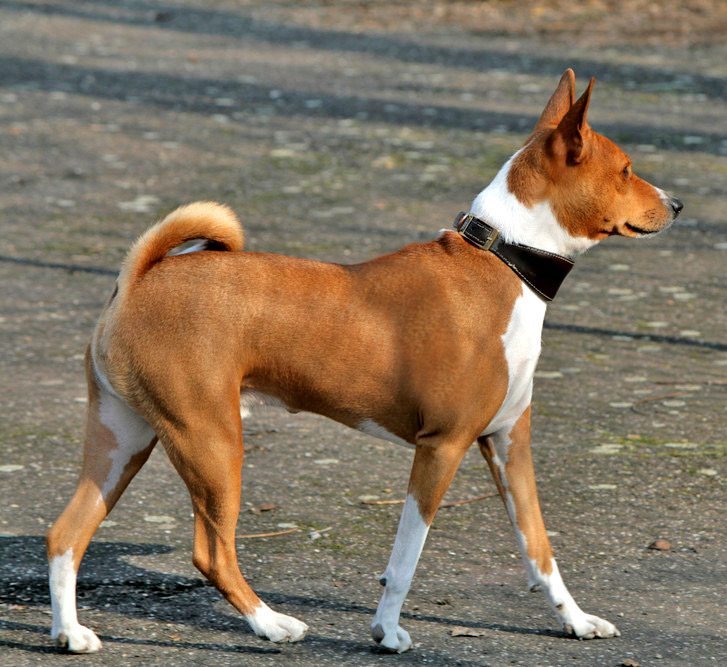
Basenji
Also known as Basenji, African Barkless Dog
The Basenji is a smooth-coated hound that stays comfortable with bath, curry brush, and professional maintenance every 4–8 weeks for most pet schedules.
Overview
The Basenji is a classic hound with a short smooth coat that looks low-maintenance — and mostly is. Professional grooming still matters: bath, curry brush, complete dry, nail and pad care, and ear attention keep the dog comfortable. The Basenji developed in Central Africa as a compact hunting hound valued for agility, independence, and a quiet temperament unusual among hounds — that heritage shows up in temperament as much as coat type. Most appointments are bath-and-brush services with light neatening, not full body clipping.
History & Origins
Ancient breed originating in Central Africa, depicted in Egyptian and Babylonian art. Prized by Pygmy tribes and Congo region tribes as versatile hunters for their speed and silence. Brought to England in the 1930s and established in the West.
Characteristics & Traits
Breed Traits
Physical Traits
Drooling level
Shedding level
Coat grooming frequency
Social & Family
Playfulness level
Adaptability level
Openness to strangers
Watchdog protective nature
Good with other dogs
Good with young children
Affectionate with family
Personality
Energy level
Barking level
Trainability level
Mental stimulation needs
Exercise & Training
Aim for around 60–90 minutes of total activity per day. Basenjis are quick, tireless hunters that need daily walks plus regular chances to sprint in a secure area. They hate rain and cold — expect indoor-exercise negotiations in bad weather — and must never be trusted off leash.
Daily Walks by Living Situation
Apartment or Home Without a Backyard
3 walks / day
~25 min each
Basenjis suit apartments well — they are famously quiet (no barking) and clean. The deal: three brisk walks a day and serious enrichment, or they will redecorate your home with their teeth.
Home With a Backyard
2 walks / day
~25 min each
A yard must be escape-proof to hold a Basenji: they climb chain-link like a ladder and clear low fences easily. Never leave one unsupervised outside for long.
Daycare or Park Time?
Daycare fit varies. Some Basenjis love group play; others find crowded playrooms overwhelming and become snarky. A trial day at a facility experienced with independent breeds tells you which type you have. For non-daycare Basenjis, sprint sessions in a fenced run and puzzle-heavy home enrichment work well. One or two days per week when it is a good fit.
For Pet Parents
The Basenji is a smooth-coated hound that stays comfortable with bath, curry brush, and professional maintenance every 4–8 weeks for most pet schedules.
Grooming Commitment
Easy coat still needs a schedule.
Short coat does not mean no maintenance — regular baths and brushing keep the Basenji comfortable.
- Bath and curry brush on a every 4–8 weeks for most pet schedules schedule works for most pets.
- Pad trimming always uses a #10 blade in professional care.
- Small erect ears dry quickly but still need inspection.
At-Home Basics
- Difficulty
- low
- Shedding
- Light to moderate
- Brushing
- Weekly curry brushing
- Pro Grooming?
- Yes
- Pro Frequency
- Every 4–8 weeks for most pet schedules
Caring for Your Basenji at Home
Brushing
Curry brush to control shedding.
Check ears
Check ears after swimming or wet walks.
Nail trimming
Trim nails between appointments when needed.
Ownership Profile
- First-time Owner
- Good with commitment
- Alone Time Tolerance
- Moderate
- Handling Sensitivity
- Moderate
- Apartment Friendly
- Yes
- City Friendly
- Yes
Best Suited For
- Owners who want a classic hound without long-coat maintenance
- Active households that enjoy walks and scent enrichment
- Families comfortable with hound vocalizing
May Not Suit
- Owners expecting off-leash reliability in unfenced areas
- Homes that cannot tolerate occasional hound barking or baying
Mistakes to Avoid
- Bathing without curry brushing first, leaving loose hair trapped against the skin.
- Leaving ear leather or heavy ear folds damp after the bath.
- Missing moisture or debris in heavy skin folds during bathing and drying.
When to Call in a Professional
Leave full grooming — bathing, complete drying, deshedding, and any trimming — to a professional groomer every 4–8 weeks for most pet schedules. It keeps the coat healthy and comfortable between visits.
History
The Basenji developed in Central Africa as a compact hunting hound valued for agility, independence, and a quiet temperament unusual among hounds. Its short smooth coat suits hot climates and straightforward grooming. The breed's short coat suited hunters who needed easy care in the field. Today, most companions keep a natural hound outline with professional bath-and-brush maintenance. Grooming focuses on cleanliness, ear health, nails, and comfort rather than stylized trimming.
Temperament
Friendly, scent-driven, and true to hound temperament with breed-specific energy and voice.
Basenji Coat
The Basenji has a short, smooth coat that lies close to the body.
Typical color patterns include deep red, black, or brindle with white markings.
Maintenance centers on bathing, curry brushing, and keeping ears, nails, and pads healthy.
Body clipping is rarely needed unless an owner specifically requests it for medical or lifestyle reasons.
- Type
- Smooth
- Family
- Smooth coat
- Structure
- Single short
- Density
- Moderate
- Undercoat
- No
- Shedding
- Light to moderate
- Seasonal Change
- Yes
- Matting Risk
- Low
- Drying Difficulty
- Low to moderate
- Water Retention
- Low
- Growth Pattern
- Continuous
- Breakage Risk
- Low
Common Problem Areas
Groomer's Guide
Technical reference for professional groomers — specifications and standard operating procedures intended for certified groomers.
Goal: Keep the short coat clean, shiny, and comfortable
Tools Required
- Rubber curry brush
- Slicker brush
- Greyhound comb
- Professional clippers
- #10 blade for pads
- Thinning or detailing shears
- High-velocity dryer
- Nail clippers or grinder
- Ear cleaning solution
- Cotton balls
Pre-Bath Prep
- Trim or grind nails every four to six weeks.
- Clean ears externally with a mild ear-cleaning solution when appropriate.
- Curry the dry coat to lift loose hair and surface debris.
- Comb through short coat to check for stickers, burrs, or irritated skin.
- Trim pads with a #10 blade when pad coat is overgrown.
Before Grooming
- Coat cleanliness and odor
- Loose shedding hair
- Ear condition and moisture
- Nail length and pad hair
- Skin condition under coat
- Sanitary hygiene needs
Consultation Notes
- Confirm how often the dog gets outdoor or field activity.
- Ask about home brushing with a curry or rubber brush.
- Check whether the owner wants only maintenance or extra neatening on feet and ears.
- Discuss realistic bath intervals based on lifestyle.
- Refer persistent skin or ear concerns to a veterinarian.
Preparation Objectives
- Loosen dirt and shedding coat before the bath
- Identify ear, skin, or sanitary issues early
- Confirm owner expectations for a natural hound finish
Recommended Actions
- Trim or grind nails every four to six weeks.
- Clean ears externally with a mild ear-cleaning solution when appropriate.
- Curry the dry coat to lift loose hair and surface debris.
- Comb through short coat to check for stickers, burrs, or irritated skin.
- Trim pads with a #10 blade when pad coat is overgrown.
Preparation Warnings
- Do not diagnose ear infection or skin disease.
- Refer odor, discharge, redness, swelling, or pain to a veterinarian.
- Avoid aggressive close clipping on a naturally short hound coat unless requested.
Objectives
- Clean the coat thoroughly
- Reduce odor from outdoor activity
- Prepare the skin and coat for complete drying
Process
- Wet the coat fully to the skin.
- Use shampoo matched to skin sensitivity and coat condition.
- Work shampoo with a curry brush to lift loose hair on smooth coats.
- Rinse thoroughly — residue can irritate sensitive hound skin.
- Apply conditioner only when the coat feels dry or brittle.
Product Guidance
- Choose products for skin comfort, not coat color alone.
- Mild formulas often work well on short smooth coats.
- Rinse longer than you think is necessary in wrinkled or heavy-eared dogs.
Breed Specifics
- Curry while shampooing to release shedding coat.
- Small erect ears dry quickly but still need inspection.
Drying Objectives
- Dry the coat completely
- Separate hair for a smooth finish
- Reduce ear moisture after bathing
Drying Methods
- High-velocity drying following coat growth
- Towel blotting before forced air
- Comb check after the coat is fully dry
Drying — Breed Specifics
- Dry ears thoroughly on drop-eared hounds.
- Use forced air along the body following coat growth.
Drying Quality Standard
The coat should be fully dry and smooth before nail, pad, or ear finishing begins.
Techniques
- Bath and brush
- Curry brushing
- Light neatening
- Sanitary maintenance
Common Trims
- Natural Maintenance Finish
- Field Freshen-Up
Clipper Areas
- Pad trimming
- Sanitary trimming
- Light neatening when owner requests
Scissor Areas
- Feet
- Ear edges
- Tail tip
Scissoring — Primary Areas
- Feet
- Ear edges
- Tail tip
Scissoring — Finish Goals
- Neat natural outline
- No visible blunt scissor lines
- Comfortable feet and sanitary areas
Scissoring — Breed Specifics
- Most finishing is optional — the breed should still look like a hound, not a sculpted pet trim.
- Thinning shears soften ear and foot edges better than straight shears on short coats.
Clipper Work — Common Uses
- Pad trimming
- Sanitary trimming
- Light neatening when owner requests
Clipper Safety Notes
- Trim pads with a #10 blade regardless of other tools used.
- Short smooth coats rarely need body clipping — confirm owner intent before clipping large areas.
- Monitor blade heat on thin hound skin, especially around ears and elbows.
Equipment
- #10 blade for pads
- Thinning shears for natural foot and ear edges
Blade & Length Selection
- Owner preference for natural vs slightly neater finish
- Skin sensitivity
- Ear and fold care needs
- Seasonal shedding level
Common Pet Trim Styles
- Natural Maintenance Finish — A bath, curry brush, dry, and light neatening that keeps the Basenji's natural short hound outline.
- Field Freshen-Up — Extra brushing, ear care, and foot neatening for active dogs that run trails, yards, or hunting outings between full grooms.
Style Selection Factors
- Outdoor activity level
- Seasonal shedding
- Ear and skin fold care needs
- Owner preference for natural vs slightly neater feet
- Odor and coat cleanliness between appointments
Head
Clean face Remove food or debris from lip folds when present
Over-trimming whiskers without owner approval
Ears
Inspect ear leather and canal opening externally. Small erect ears dry quickly but still need inspection. Remove visible debris from ear edges when appropriate.
Refer odor, discharge, or pain to a veterinarian.
Feet
Trim pads with a #10 blade. Remove obvious hair protruding beyond the pad edge. Trim or grind nails for healthy foot structure.
Debris between toes on active Basenji dogs
Tail
Clean base and remove loose hair
Sanitary Area
Hygiene trim when needed Blend naturally into short coat
ears
highMaintenance
- -Inspect ear leather and canal opening externally.
- -Small erect ears dry quickly but still need inspection.
- -Remove visible debris from ear edges when appropriate.
Styles
- -Natural drop ears
Risks & Warnings
- -Refer odor, discharge, or pain to a veterinarian.
feet
moderateMaintenance
- -Trim pads with a #10 blade.
- -Remove obvious hair protruding beyond the pad edge.
- -Trim or grind nails for healthy foot structure.
Styles
- -Natural neat feet
- -Light thinning on toe hair
Risks & Warnings
- -Debris between toes on active Basenji dogs
head
lowGoals
- -Clean face
- -Remove food or debris from lip folds when present
Styles
- -Natural hound head
Risks & Warnings
- -Over-trimming whiskers without owner approval
tail
lowGoals
- -Clean base and remove loose hair
Styles
- -Natural hound tail
sanitary Area
moderateGoals
- -Hygiene trim when needed
- -Blend naturally into short coat
High-Risk Areas
- Ears
- Collar area
- Tail base
Challenges
- Assuming short coat means zero professional care
- Independent temperament during grooming handling
- Skipping nail and pad maintenance between baths
- Clipper-cutting the body when the owner only needed a bath and brush.
- Using blades other than #10 for pad trimming.
Management Principles
- Curry before and during bathing to manage shedding.
- Trim pads with a #10 blade at each visit.
- Document ear condition for the owner.
Pro Tips
- Curry the coat before the bath when shedding is heavy.
- Trim pads with a #10 blade using a light touch.
- Dry ears completely before checkout.
- Avoid unnecessary body clipping unless the owner requests it.
Assessment Priority
Cleanliness, shedding control, and ear comfort
Frequently Asked Questions
Ready to book your Basenji's grooming session?
Connect with a Buddyz professional to schedule online in minutes.
Not the right match?
Continue exploring our directory to find the perfect breed for your lifestyle.
Are you a professional?
Use Buddyz to manage your salon, understand complex coats, and educate pet parents.