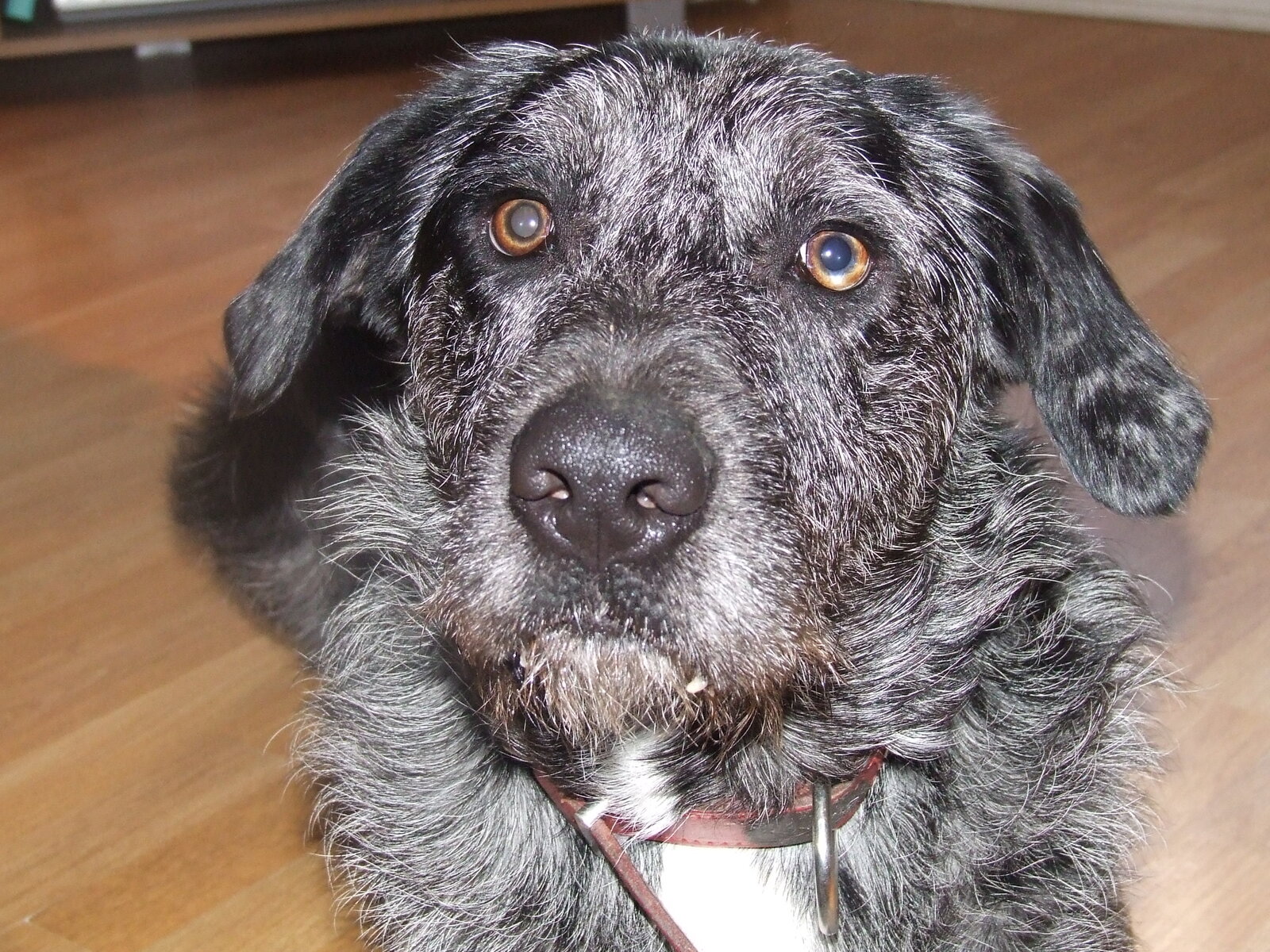
Otterhound
Also known as Otterhound
The Otterhound is a rare, amiable scenthound whose rough wiry coat needs carding and hand stripping every four to eight weeks to stay natural and harsh — never body-clipped.
Overview
The Otterhound is a large, rugged scenthound with a rough wiry coat that should look rough and slightly unkempt — never clipper trimmed. Correct grooming uses carding and hand stripping to maintain two to four inches of harsh coat over the body, with longer furnishings on the head, ears, and tail. The breed should finish in a natural state with only minor neatening to accentuate form. Sanitary areas may be lightly clipped with a #10 blade. Because the Otterhound is uncommon in salons, groomers should understand its anti-clipping standard and web-footed structure.
History & Origins
Developed in medieval England for otter hunting, perfected for water work with webbed feet, oily double coat, and powerful scenting ability. Nearly extinct when otter hunting was banned in 1978, now among the rarest British breeds.
Characteristics & Traits
Breed Traits
Physical Traits
Drooling level
Shedding level
Coat grooming frequency
Social & Family
Playfulness level
Adaptability level
Openness to strangers
Watchdog protective nature
Good with other dogs
Good with young children
Affectionate with family
Personality
Energy level
Barking level
Trainability level
Mental stimulation needs
For Pet Parents
The Otterhound is a rare, amiable scenthound whose rough wiry coat needs carding and hand stripping every four to eight weeks to stay natural and harsh — never body-clipped.
Grooming Commitment
Rough and unkempt is correct — Otterhounds are never body-clipped.
The Otterhound should look rough and natural. Body clipping is never appropriate — hand stripping preserves the coat this breed was built for.
- Body clipping is never appropriate for an Otterhound.
- The coat should look rough and slightly unkempt.
- Dry ears thoroughly after swimming.
- Professional hand stripping every four to eight weeks preserves coat texture.
- This is a rare breed — seek groomers familiar with wire coat standards.
At-Home Basics
- Difficulty
- high
- Shedding
- Moderate
- Brushing
- Weekly; more during coat blow
- Pro Grooming?
- Yes
- Pro Frequency
- Every 4–8 weeks
Caring for Your Otterhound at Home
Brushing feathering & ears
Brush weekly, especially beard and ears.
Drying after swimming
Dry ears after swimming.
Never body-clip at home
Never body-clip at home.
Professional grooming schedule
Schedule professional stripping every four to eight weeks.
Ownership Profile
- First-time Owner
- Moderate
- Alone Time Tolerance
- Low to moderate
- Handling Sensitivity
- Moderate
- Apartment Friendly
- No
- City Friendly
- Yes
Best Suited For
- Active owners with outdoor and water access
- Owners committed to wire-coat hand stripping
- Families who appreciate a shaggy natural look
- Owners willing to seek skilled groomers for a rare breed
May Not Suit
- Owners wanting a neatly clipper-trimmed pet
- Homes unable to provide exercise and swimming opportunities
- Owners expecting low-maintenance coat care
- Small spaces without room for a large boisterous dog
Mistakes to Avoid
- Skipping carding and hand stripping before bathing when that sequence produces better results.
- Heavily trimming a coat that should remain rough and natural.
- Using metal tools with too much pressure causing brush burns or coat damage.
- Clipper trimming the body when the breed standard requires a natural rough wiry coat.
- Over-trimming the shaggy natural head and losing breed character.
- Leaving ear and coat furnishings damp after swimming.
When to Call in a Professional
Leave full grooming — bathing, complete drying, deshedding, and any trimming — to a professional groomer every 4–8 weeks. It keeps the coat healthy and comfortable between visits.
History
The Otterhound developed in England to hunt otters, combining scenting ability with webbed feet and a water-resistant coat. When otter hunting declined, the breed became rare but was preserved by dedicated enthusiasts. The rough wiry coat protected the dog during water work and should remain natural in modern grooming. The Otterhound is among the rarest AKC breeds, making knowledgeable grooming especially valuable.
Temperament
Amiable, boisterous, independent, and scent-driven with a love of water.
Otterhound Coat
The Otterhound has a rough, wiry coat that should never be clipper trimmed and only moderately shaped with hand stripping.
All colors and combinations are acceptable.
The body carries two to four inches of harsh coat; the head, ears, and tail have longer furnishings.
The breed should look rough and slightly unkempt — a large, rugged dog left in a natural state.
- Type
- Wiry
- Family
- Wire coat
- Structure
- Double
- Density
- High
- Undercoat
- Yes
- Shedding
- Moderate
- Seasonal Change
- Yes
- Matting Risk
- Moderate
- Drying Difficulty
- Moderate to high
- Water Retention
- High
- Growth Pattern
- Seasonal and continuous
- Breakage Risk
- Low to moderate
Common Problem Areas
Groomer's Guide
Technical reference for professional groomers — specifications and standard operating procedures intended for certified groomers.
Goal: Preserve rough natural unkempt appearance
Tools Required
- Slicker brush
- Greyhound comb
- Rubber curry
- Pumice stone
- Carding tools
- Stripping knives
- Professional clippers
- #10 blade
- Thinning shears
- Small detailing shears
- Curved shears
- High-velocity dryer
- Nail clippers or grinder
- Ear cleaning solution
- Cotton balls
- Ear powder
- Hemostat
Pre-Bath Prep
- Trim or grind nails every four to six weeks.
- Swab ears clean with a mild ear-cleaning solution.
- Use a high-velocity dryer on dry coat to lift dirt and loosen shedding coat.
- Card and hand strip prior to bathing and drying when performing a full strip.
- Confirm whether whisker removal is requested.
Before Grooming
- Coat blow status
- Matting in beard and ears
- Tail length relative to hock
- Webbed foot condition
- Post-swimming moisture
- Owner expectations about natural finish
Consultation Notes
- Explain that body clipping is never appropriate.
- Discuss natural rough finish expectations.
- Ask about swimming frequency.
- Confirm sanitary clipping preferences.
Preparation Objectives
- Remove loose coat before bathing
- Card and strip before bathing when appropriate
- Maintain healthy foot structure
Recommended Actions
- Trim or grind nails every four to six weeks.
- Swab ears clean with a mild ear-cleaning solution.
- Use a high-velocity dryer on dry coat to lift dirt and loosen shedding coat.
- Card and hand strip prior to bathing and drying when performing a full strip.
- Confirm whether whisker removal is requested.
Preparation Warnings
- Clipping the body changes wire coat texture and color over time.
- Refer persistent ear or skin concerns to a veterinarian.
Objectives
- Clean the coat thoroughly
- Prepare for complete drying
- Support coat texture when stripped correctly
Process
- Follow wire-coated bathing protocols.
- Use all-purpose shampoo; apply light conditioner only when skin is exceptionally dry.
- Rinse completely.
- Use a damp towel over the muzzle after bathing when needed.
Product Guidance
- Light application of chalk or powder before bathing can improve grip for plucking.
- Conditioner is usually unnecessary and may soften wire texture.
Breed Specifics
- Card and hand strip before bathing for best results on full strip grooms.
- Avoid products that soften the harsh guard coat unnecessarily.
Drying Objectives
- Dry the coat completely
- Set coat in natural direction
- Prepare for detail finishing
Drying Methods
- Vigorous hand towel drying
- High-velocity drying working with natural lay of coat
- Blanket drying after bulk moisture removal when appropriate
Drying — Breed Specifics
- Brush with a fine brush or comb in the direction the hair should lie after bulk drying.
- Drying is not finished until the coat is completely cool and dry to the touch.
Drying Quality Standard
The coat should be fully dry, harsh, and natural with two and four inches maintained through stripping rather than clipping.
Techniques
- Carding
- Hand stripping
- Finger plucking
- Bath and brush
- Light thinning
- Pad trimming
- Sanitary neatening
Common Trims
- Natural Hand-Strip Finish
- Card and Hand-Strip Maintenance
Clipper Areas
- Pad trimming
- Light sanitary trimming under tail and tummy with #10 blade
Scissor Areas
- Feet
- Hocks
- Undercarriage line
- Tail shaping to hock
Scissoring — Primary Areas
- Feet
- Hocks
- Undercarriage line
- Tail shaping to hock
Scissoring — Finish Goals
- Round neat feet after pad shave
- Natural rough body
- Tail to hock length
- No visible over-scissoring
Scissoring — Breed Specifics
- Scissor feet round after pad shave.
- Neaten undercarriage line lightly.
- Keep head and ears long and natural.
Clipper Work — Common Uses
- Pad trimming
- Light sanitary trimming under tail and tummy with #10 blade
Clipper Safety Notes
- Use a #10 blade for pad trimming regardless of other blade choices.
- Confirm blade temperature if repeated passes are needed.
- Never clipper trim the body coat.
- Sanitary areas only — under tail and tummy with #10 blade when needed.
- Clipping body coat permanently damages wire texture.
Equipment
- #10 blade for pads and sanitary areas
Blade & Length Selection
- Sanitary hygiene needs
- Owner preferences for minimal clipping
Common Pet Trim Styles
- Natural Hand-Strip Finish — Carding, hand stripping, and light neatening preserving two to four inches of harsh rough coat.
- Card and Hand-Strip Maintenance — Carding and selective stripping between full sessions for active water dogs.
Style Selection Factors
- Swimming frequency
- Coat blow timing
- Owner commitment to natural finish
- Matting in furnishings
Head
Head left natural Lightly clear eye area with thinning shears or finger plucking Pluck unruly stray hairs with fingers Leave coat longer on muzzle
Over-trimming the natural shaggy head Body clipping anywhere on the coat
Ears
Leave ears long and natural. Dry thoroughly after bathing or swimming. Remove mats in furnishings with care.
Ear moisture after swimming increases infection risk. Refer persistent concerns to a veterinarian.
Feet
Shave pads with a #10 blade. Scissor feet round. Neaten hocks with thinning shears. Check webbed toes for debris.
Debris and moisture between webbed toes Over-trimming natural foot coat
Tail
Trim tail to hock length Preserve longer furnishings Maintain natural appearance
Sanitary Area
Lightly clip under tail and tummy with #10 blade when needed Neaten undercarriage line lightly
ears
highMaintenance
- -Leave ears long and natural.
- -Dry thoroughly after bathing or swimming.
- -Remove mats in furnishings with care.
Styles
- -Long natural ear furnishings
Risks & Warnings
- -Ear moisture after swimming increases infection risk.
- -Refer persistent concerns to a veterinarian.
feet
highMaintenance
- -Shave pads with a #10 blade.
- -Scissor feet round.
- -Neaten hocks with thinning shears.
- -Check webbed toes for debris.
Styles
- -Round scissored feet after pad shave
Risks & Warnings
- -Debris and moisture between webbed toes
- -Over-trimming natural foot coat
head
highGoals
- -Head left natural
- -Lightly clear eye area with thinning shears or finger plucking
- -Pluck unruly stray hairs with fingers
- -Leave coat longer on muzzle
Styles
- -Natural shaggy head
- -Moderate eyebrows
Risks & Warnings
- -Over-trimming the natural shaggy head
- -Body clipping anywhere on the coat
tail
moderateGoals
- -Trim tail to hock length
- -Preserve longer furnishings
- -Maintain natural appearance
Styles
- -Natural tail to hock length
sanitary Area
moderateGoals
- -Lightly clip under tail and tummy with #10 blade when needed
- -Neaten undercarriage line lightly
High-Risk Areas
- Beard
- Ear furnishings
- Feet and webbed toes
- Tail furnishings
- Undercarriage
Challenges
- Owner requests for body clipping
- Maintaining rough unkempt standard in pet homes
- Matting in beard and ears
- Post-swim drying
- Rare breed — few groomers know the standard
- Clipper-cutting the body and permanently altering wire coat texture and color.
- Using blades other than #10 for pad trimming.
Management Principles
- Never body clip.
- Educate owners about wire coat preservation.
- Card and strip before bathing.
- Dry ears thoroughly after water exposure.
Pro Tips
- Never body-clip an Otterhound.
- Card and hand strip before bathing.
- Pluck unruly stray hairs on the head with fingers.
- Shave pads with a #10 blade and scissor feet round.
- Trim tail to hock length.
- Dry ears thoroughly — this is a water-loving breed.
- Leave the coat looking rough and slightly unkempt.
Assessment Priority
Preserve rough natural wiry coat two to four inches — never clipper trim the body
Ready to book your Otterhound's grooming session?
Connect with a Buddyz professional to schedule online in minutes.
Not the right match?
Continue exploring our directory to find the perfect breed for your lifestyle.
Are you a professional?
Use Buddyz to manage your salon, understand complex coats, and educate pet parents.